Jamaica punches well above its weight. A small island — about 240 km long, 80 km wide — it has produced a disproportionate amount of the world's culture: reggae, dancehall, Rastafari, Blue Mountain coffee, and some of the fastest sprinters in history. The food is distinctive, the landscape dramatic, and the people are genuinely engaging once you get past the hustle in the tourist zones.
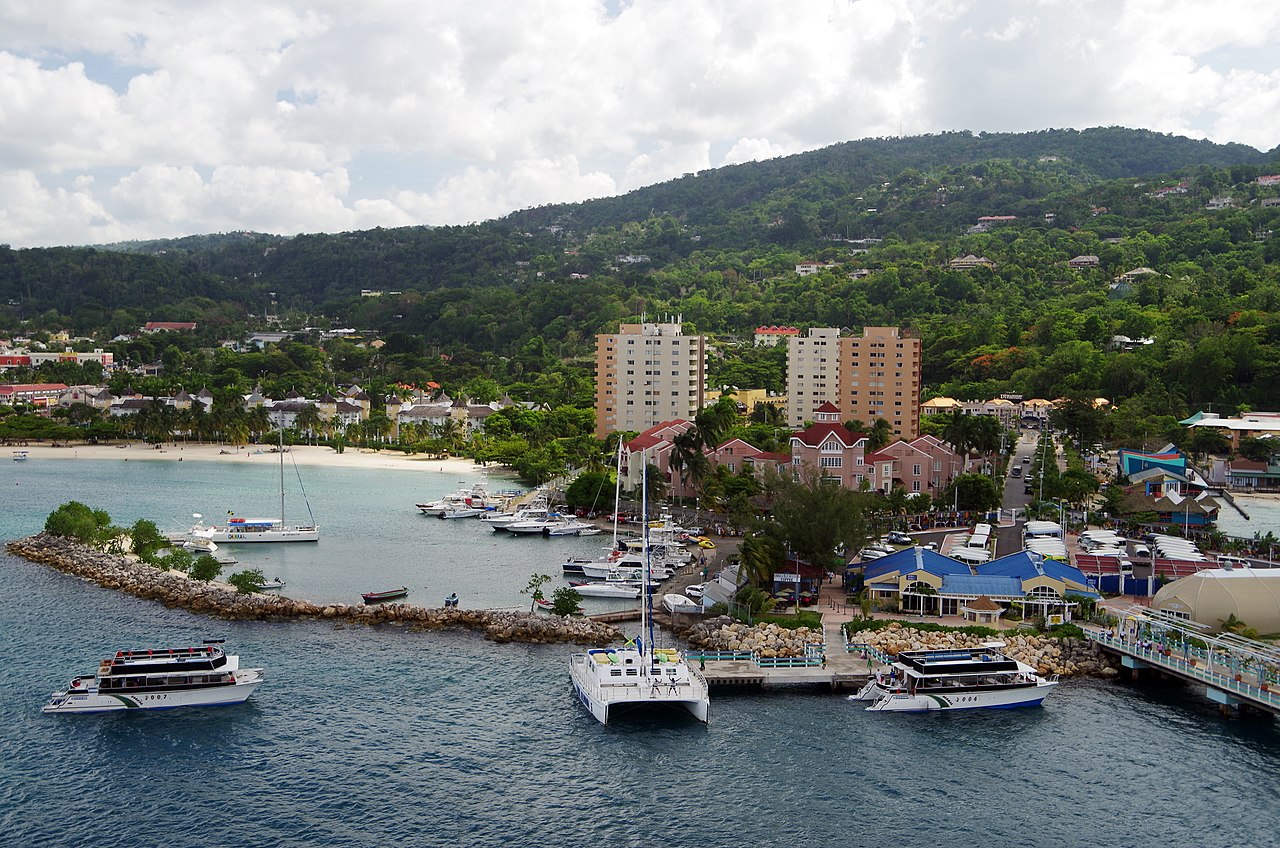
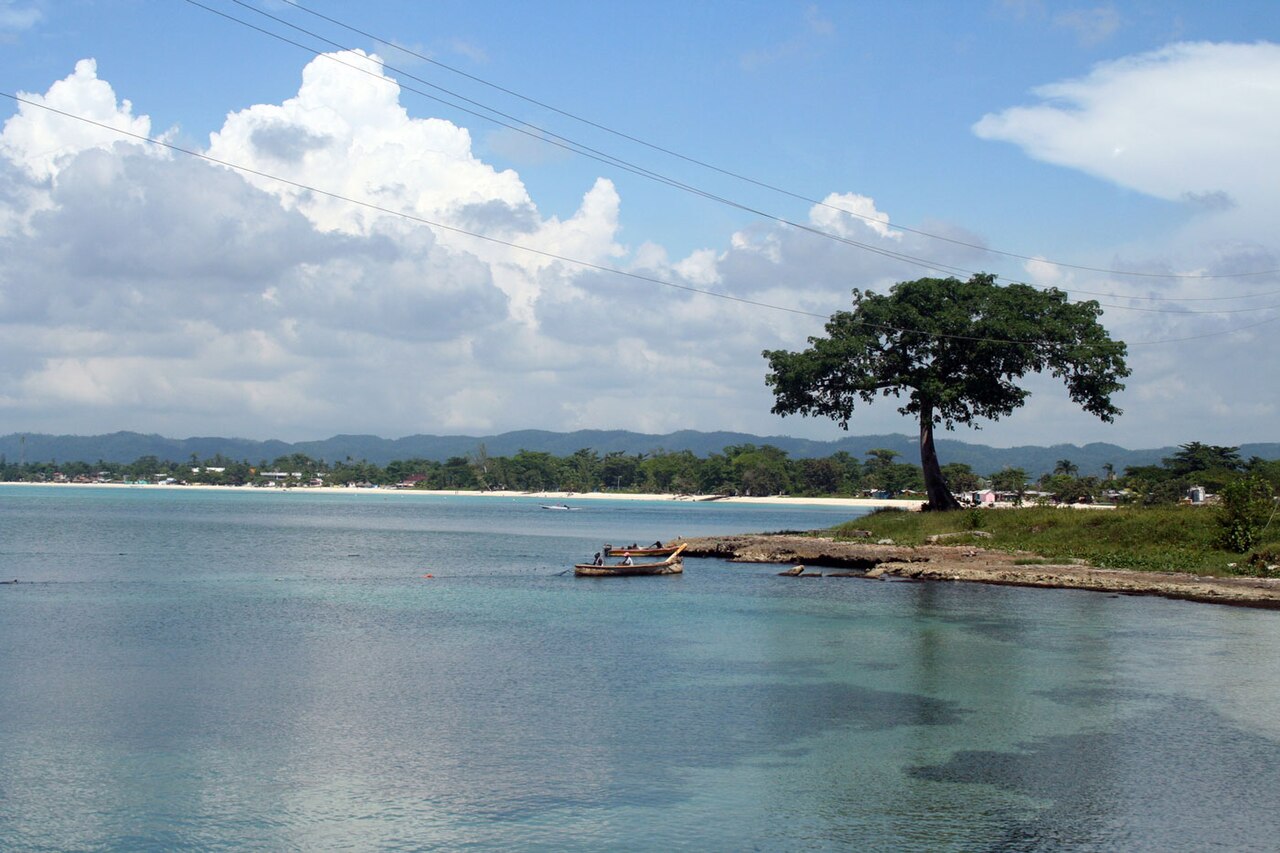
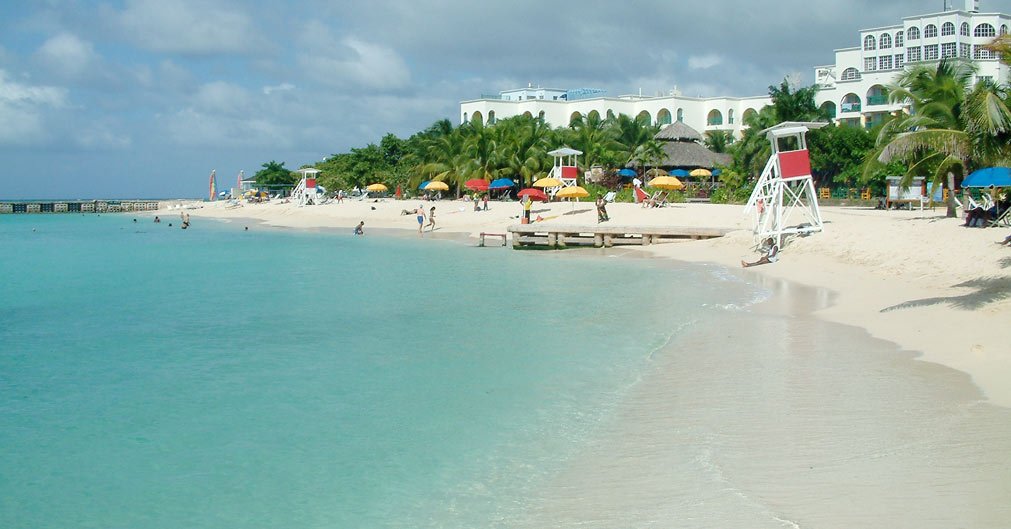
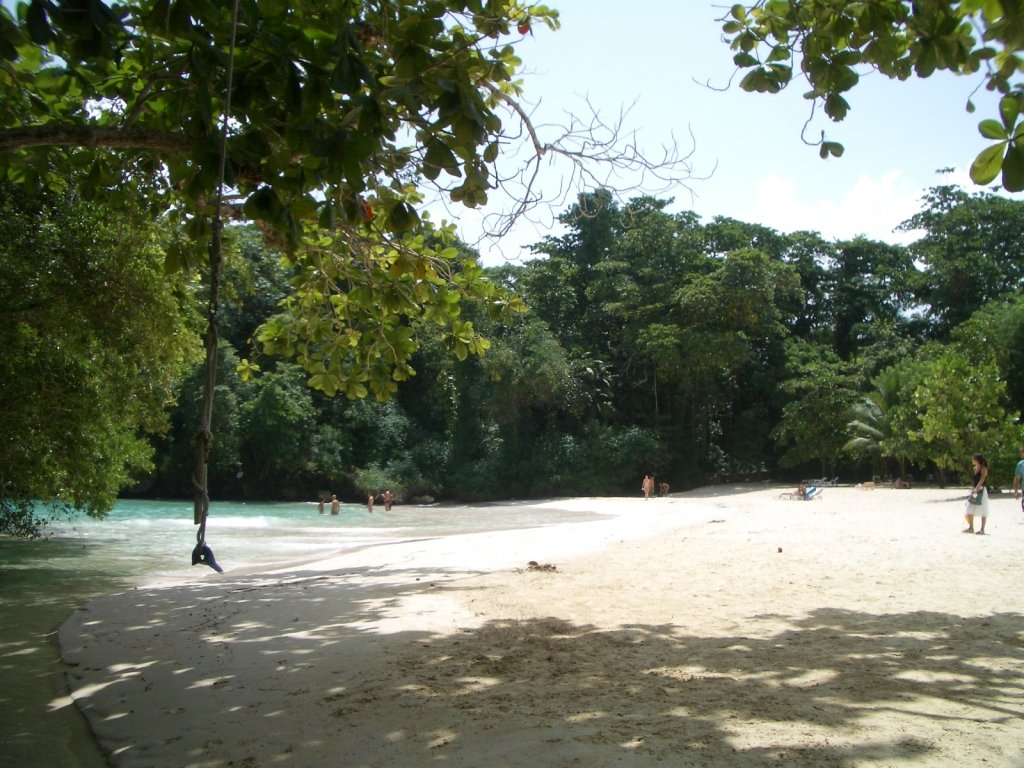
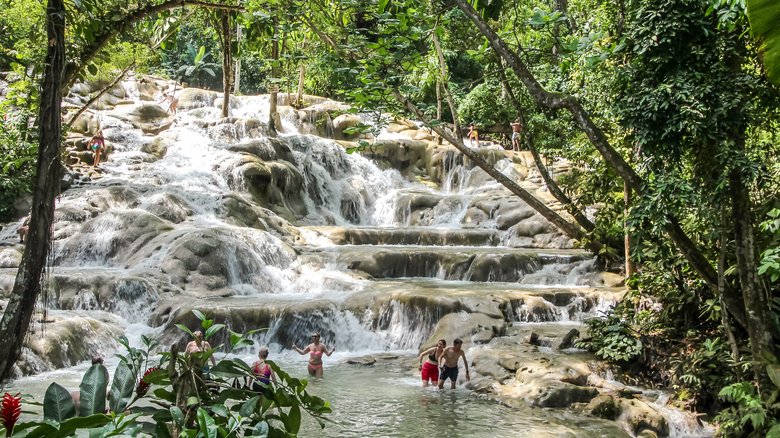
Most visitors arrive at Montego Bay on the north coast, which is the hub of the all-inclusive resort strip. It's a reasonable base for beaches and the nearby Green Grotto Caves or Martha Brae river rafting. Negril to the west is more relaxed, with a famous seven-mile beach and a clutch of cliff-side bars. On the north coast, Ocho Rios draws crowds to Dunn's River Falls; Port Antonio is quieter and more authentic, with access to the Blue Lagoon and some excellent river rafting on the Rio Grande.
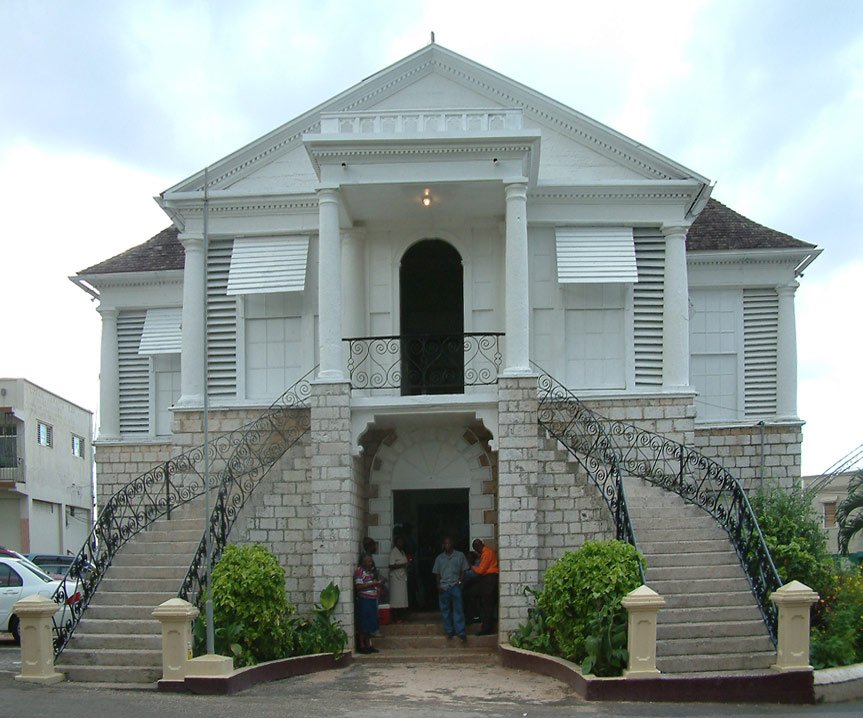
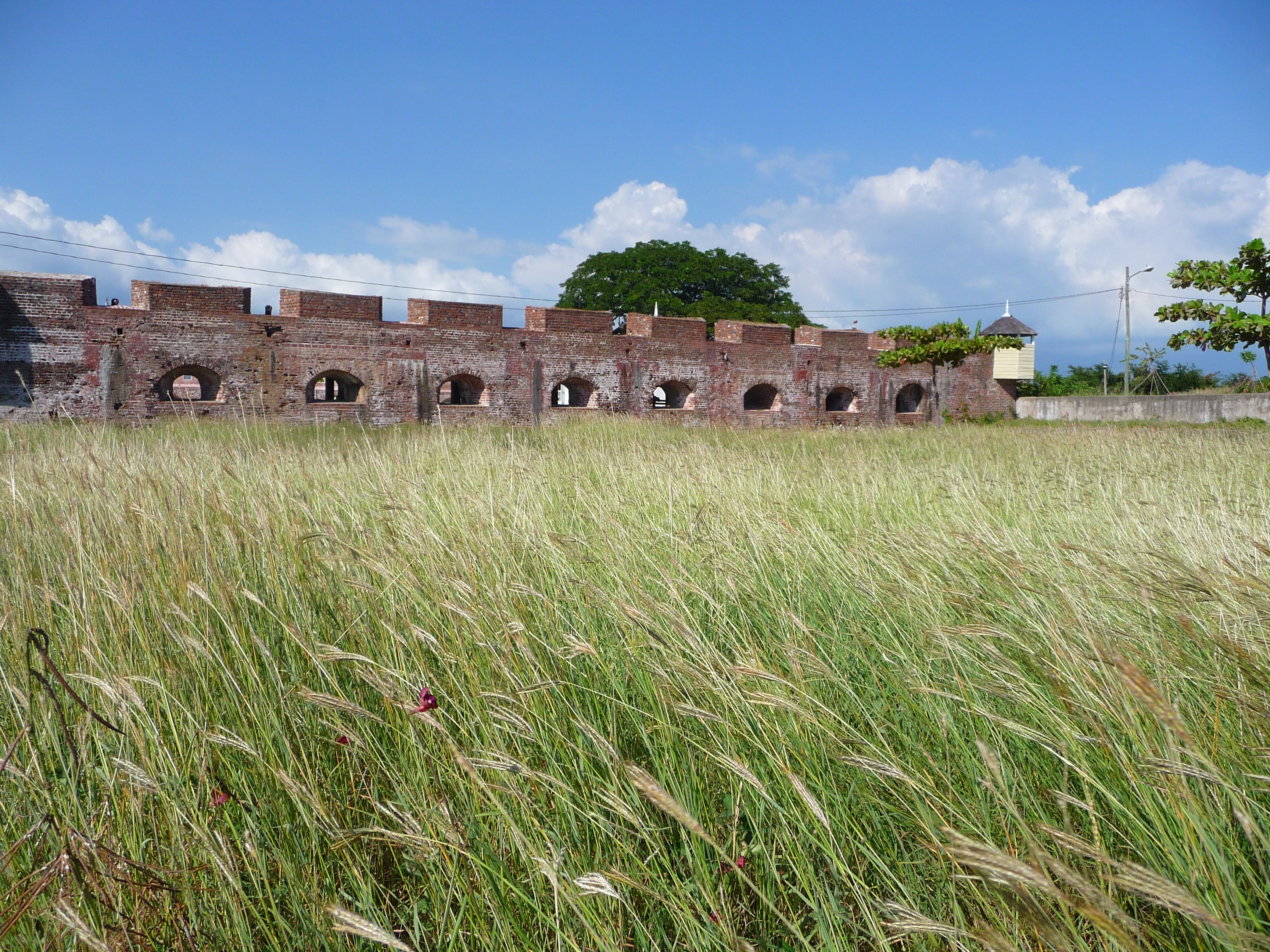
Kingston is the capital and the cultural heart. Visitors who limit themselves to resort towns miss the Bob Marley Museum, the National Gallery, and the city's extraordinary music scene. Kingston can feel intimidating, but the uptown areas around New Kingston are safe and easy to navigate. Spanish Town, the old colonial capital just west of Kingston, has a fine Georgian square that most tourists never see.
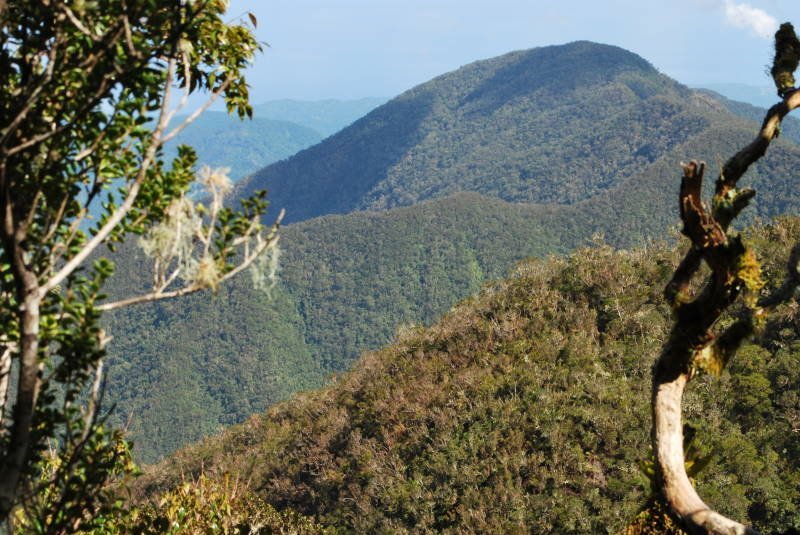
The interior is undervisited and rewarding. The Blue Mountains rise to over 2,200 m and offer excellent hiking; Cockpit Country in the west is a wild karst landscape with caves and a long history of Maroon resistance to British rule. Mandeville, at around 600 m, is a cool, prosperous market town that sees almost no tourists.