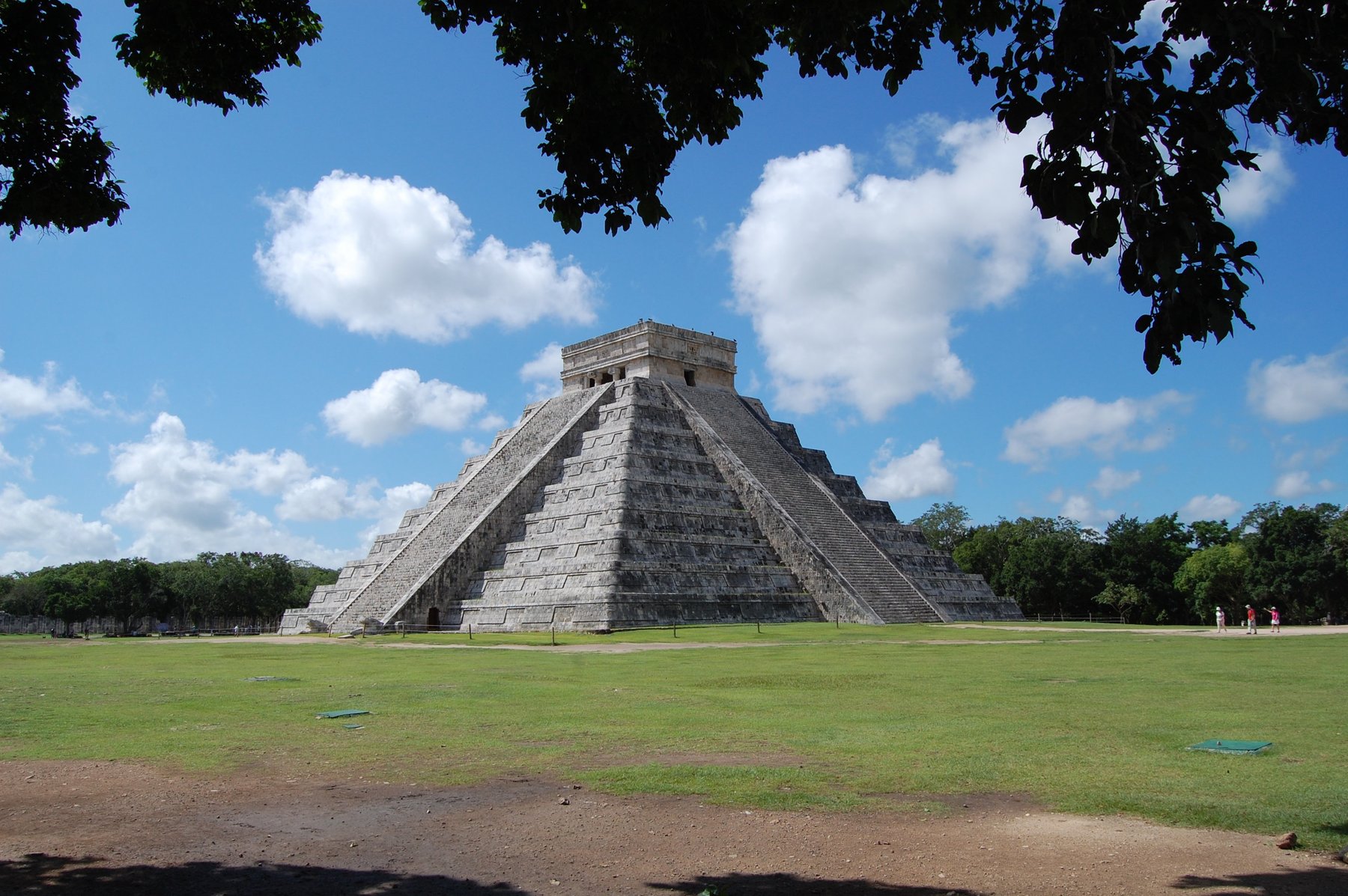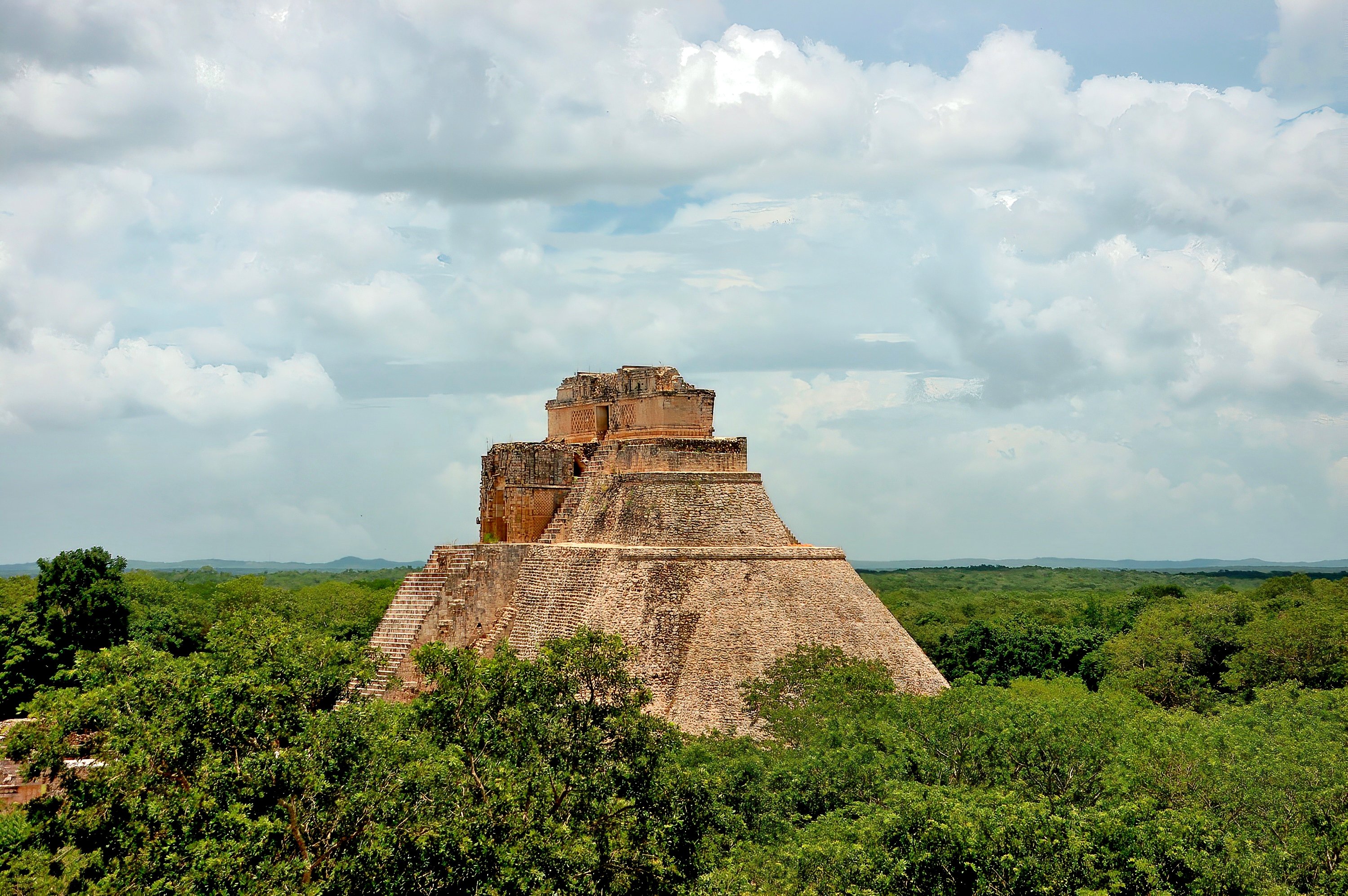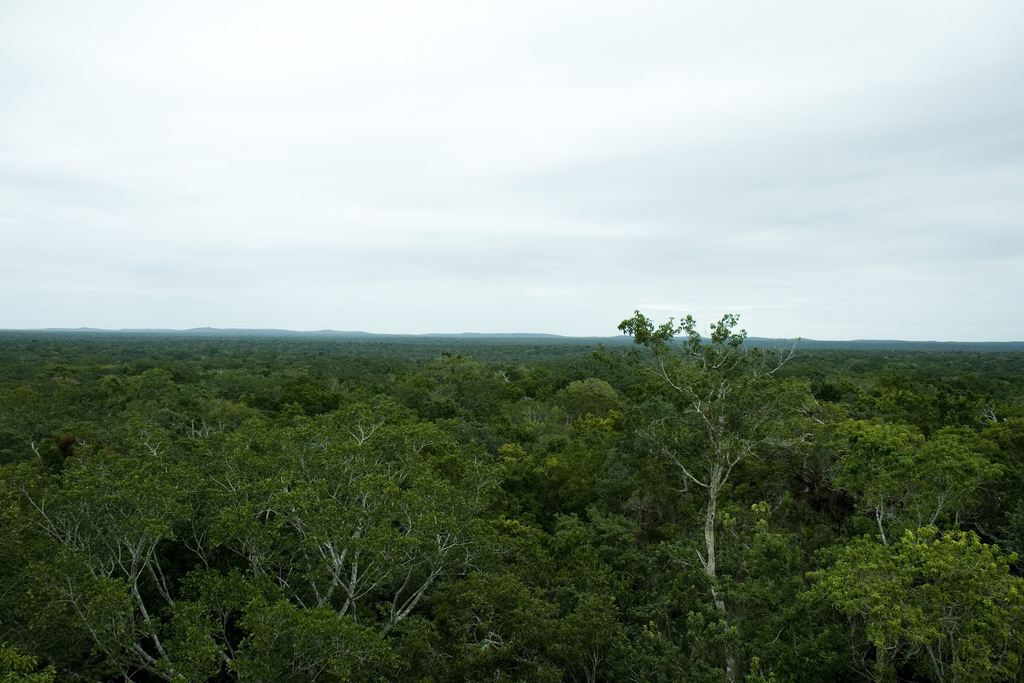
The Yucatan Peninsula was the heartland of the Maya civilization, and it remains one of the most historically and naturally rich parts of Mexico. Chichen Itza, the most-visited archaeological site in the country, sits near the centre of the peninsula. But the ruins worth seeking out extend far beyond the famous names: Uxmal, Edzna, and the remote Calakmul — deep in a biosphere reserve near the Guatemalan border — are all exceptional and far less crowded.
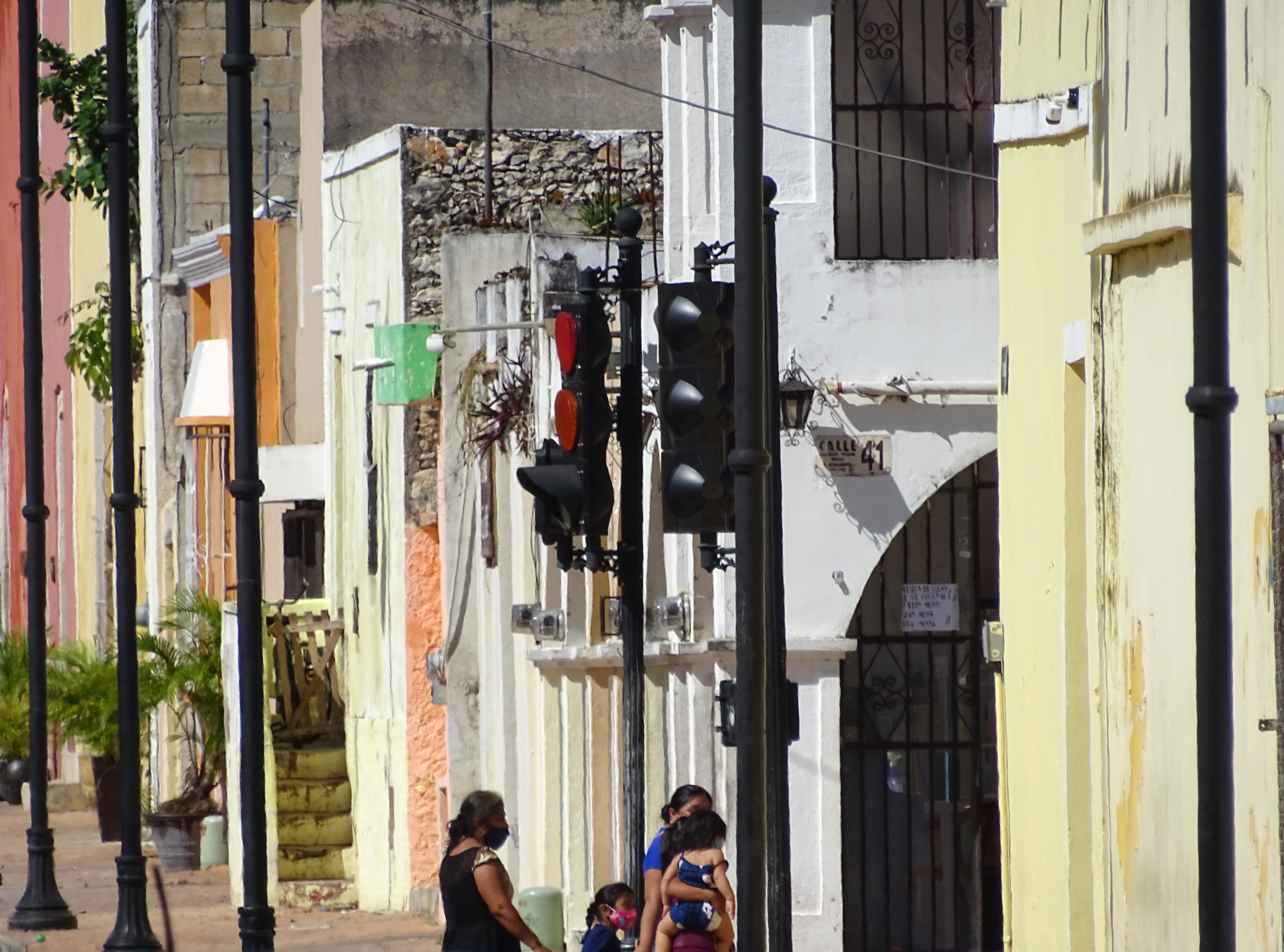
The region divides roughly between its colonial cities and its Caribbean coast. Mérida, the Yucatan state capital, is a handsome, liveable city with strong food and a cultural scene that surprises visitors expecting a museum piece. Valladolid, halfway between Mérida and Cancún, is a quieter alternative base. Campeche, on the Gulf coast, is one of Mexico's best-preserved colonial cities with a UNESCO-listed centre.
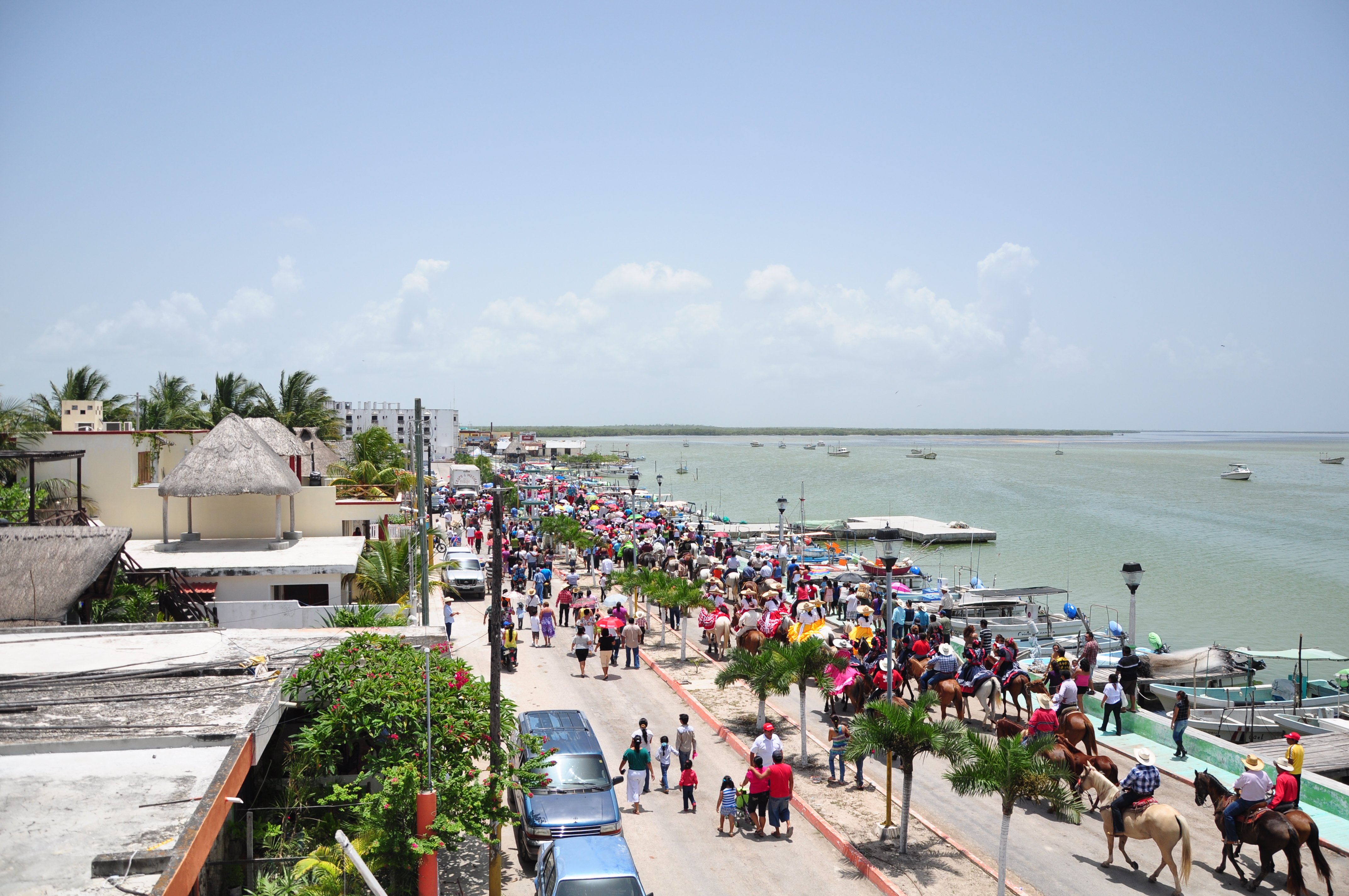
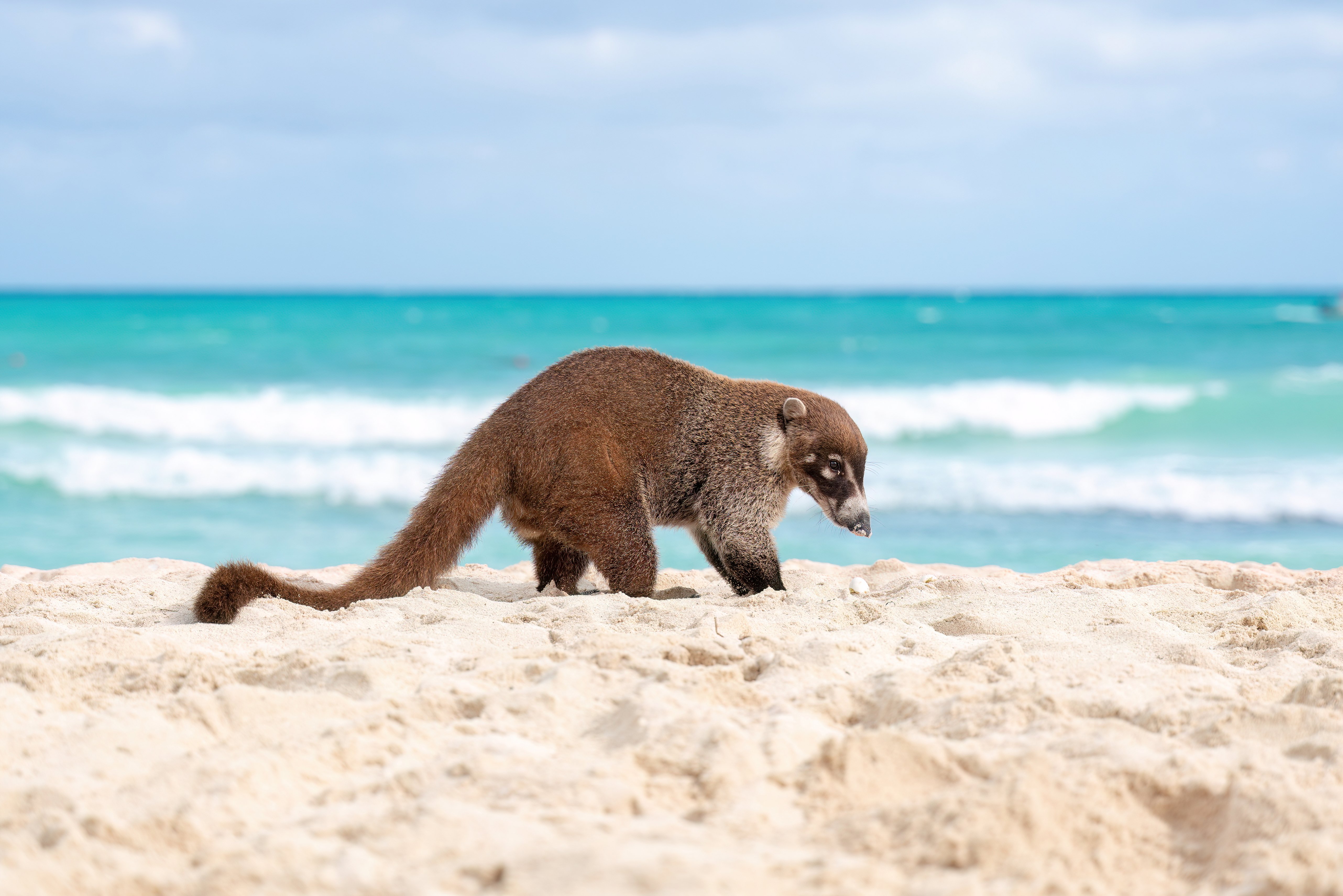
The Caribbean coast has been heavily developed since the 1970s, when Cancún was purpose-built as a resort. The beaches are genuinely beautiful — white sand, turquoise water — but the Riviera Maya corridor has homogenized into a string of all-inclusive resorts. The further south you go toward Tulum, the more alternative options appear, though even Tulum has changed considerably in recent years.
Cenotes — natural sinkholes filled with clear freshwater — are a defining feature of the peninsula's geology. Hundreds are accessible to visitors, from open-air swimming holes to cathedral-like underground caverns. The best are found off the main tourist circuits.