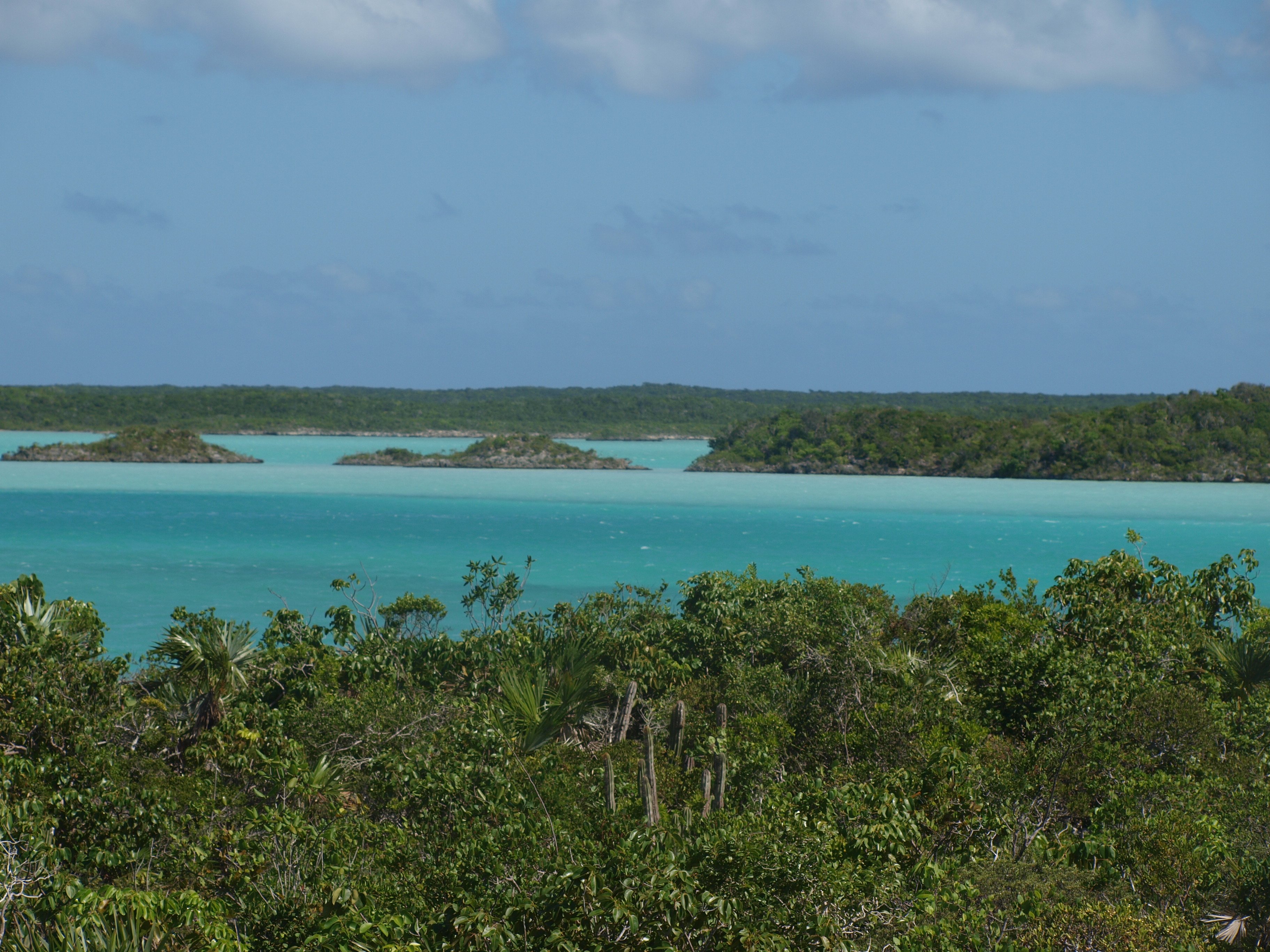
The Turks and Caicos Islands is a British Overseas Territory in the Atlantic Ocean, southeast of the Bahamas and north of Haiti. It consists of two island groups — the Caicos Islands to the west and the Turks Islands to the east, separated by the deep Turks Island Passage — plus numerous cays and uninhabited islets. The territory has a population of around 50,000, concentrated on Providenciales, Grand Turk, and South Caicos.
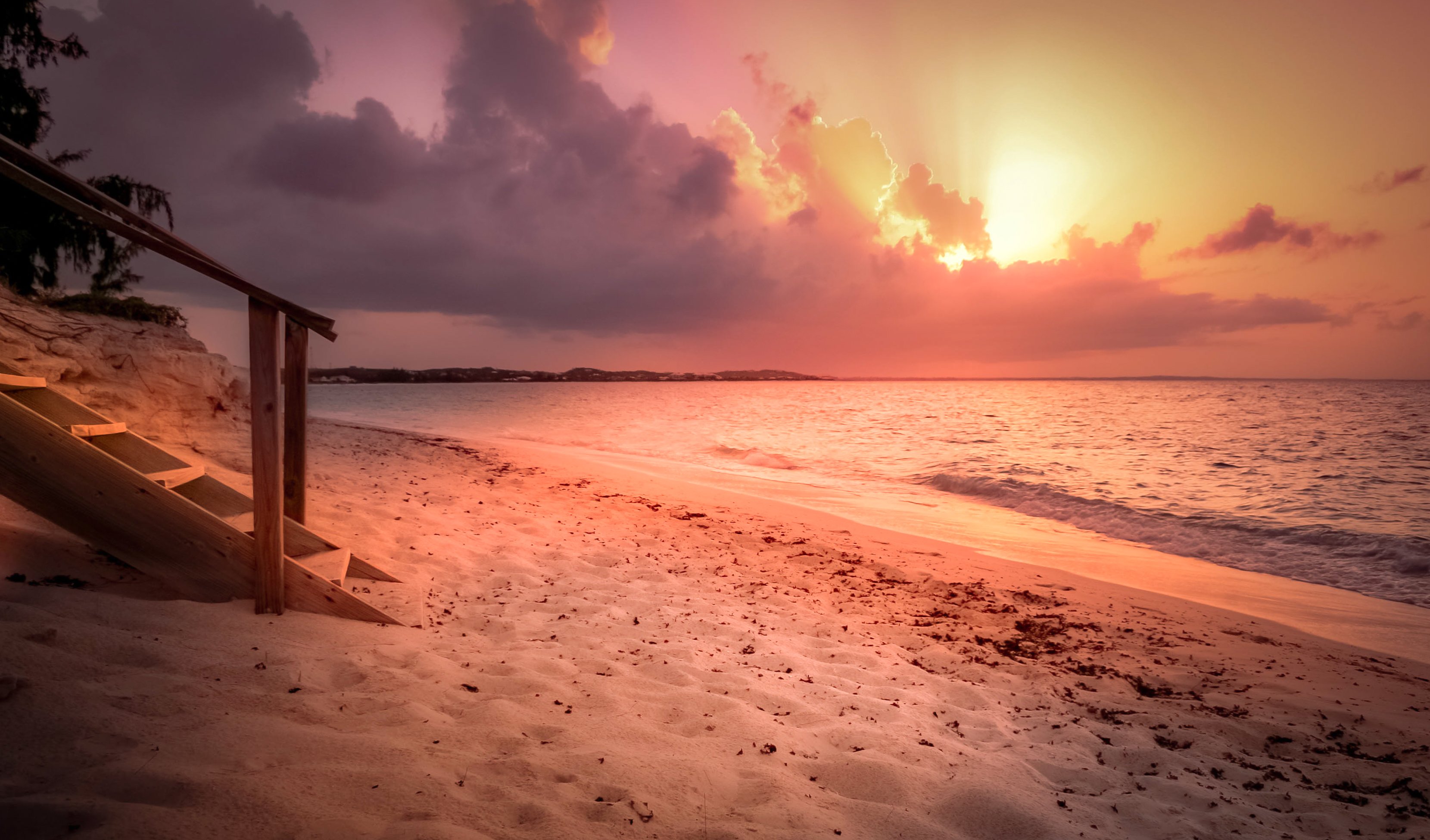
Most visitors come for one thing: the beaches. Grace Bay on Providenciales is widely regarded as one of the finest beaches in the world, with twelve miles of powdery white sand and water that shades from pale turquoise to deep blue as it deepens over the reef. The Caicos Bank, a vast shallow-water platform, produces the characteristic colours and calm conditions that have made the territory famous among divers and snorkellers. The outer edge of the bank drops into vertical walls starting at 15 metres, offering some of the most dramatic reef diving in the Caribbean.
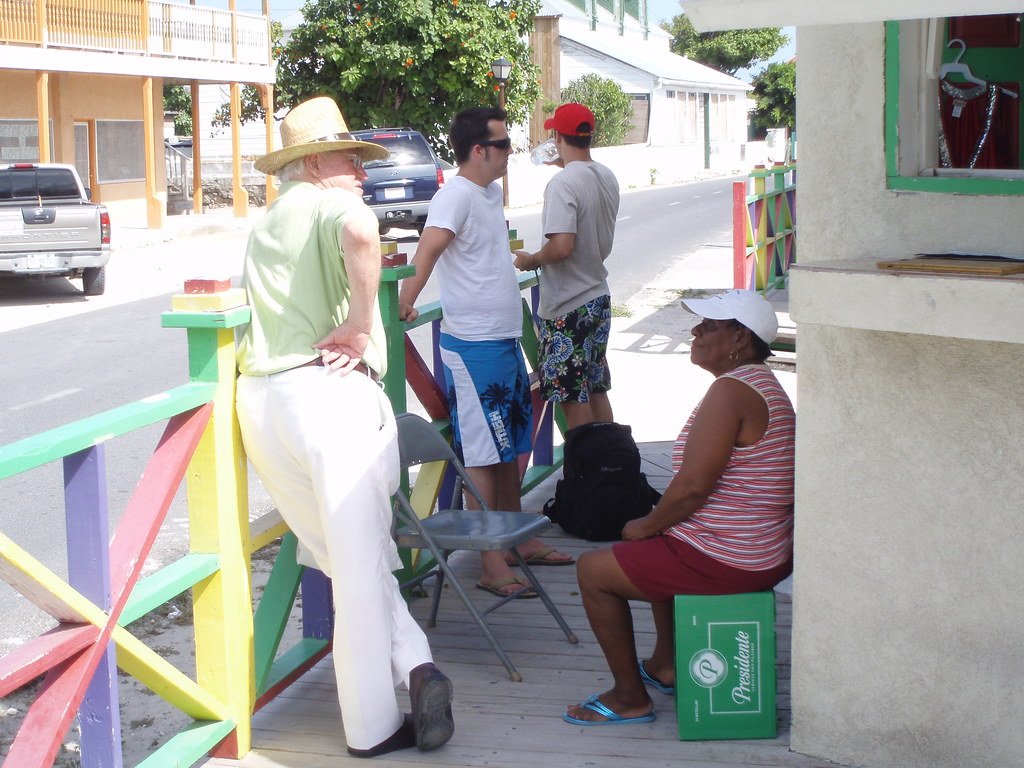
Grand Turk, the capital island, has a quieter and more authentic character than the resort-focused Providenciales. Cockburn Town preserves colonial salt-era architecture and the national museum gives a good account of the territory's history, from the pre-Columbian Taino people through to the salt trade that dominated for three centuries. The island has a reef wall that begins just offshore, accessible to swimmers.
The outer islands — Salt Cay, South Caicos, Middle Caicos, North Caicos, and East Caicos — remain largely undeveloped and are worth the effort of getting to. Salt Cay retains an almost perfectly preserved 18th-century salt-raking village and excellent humpback whale watching between January and March.