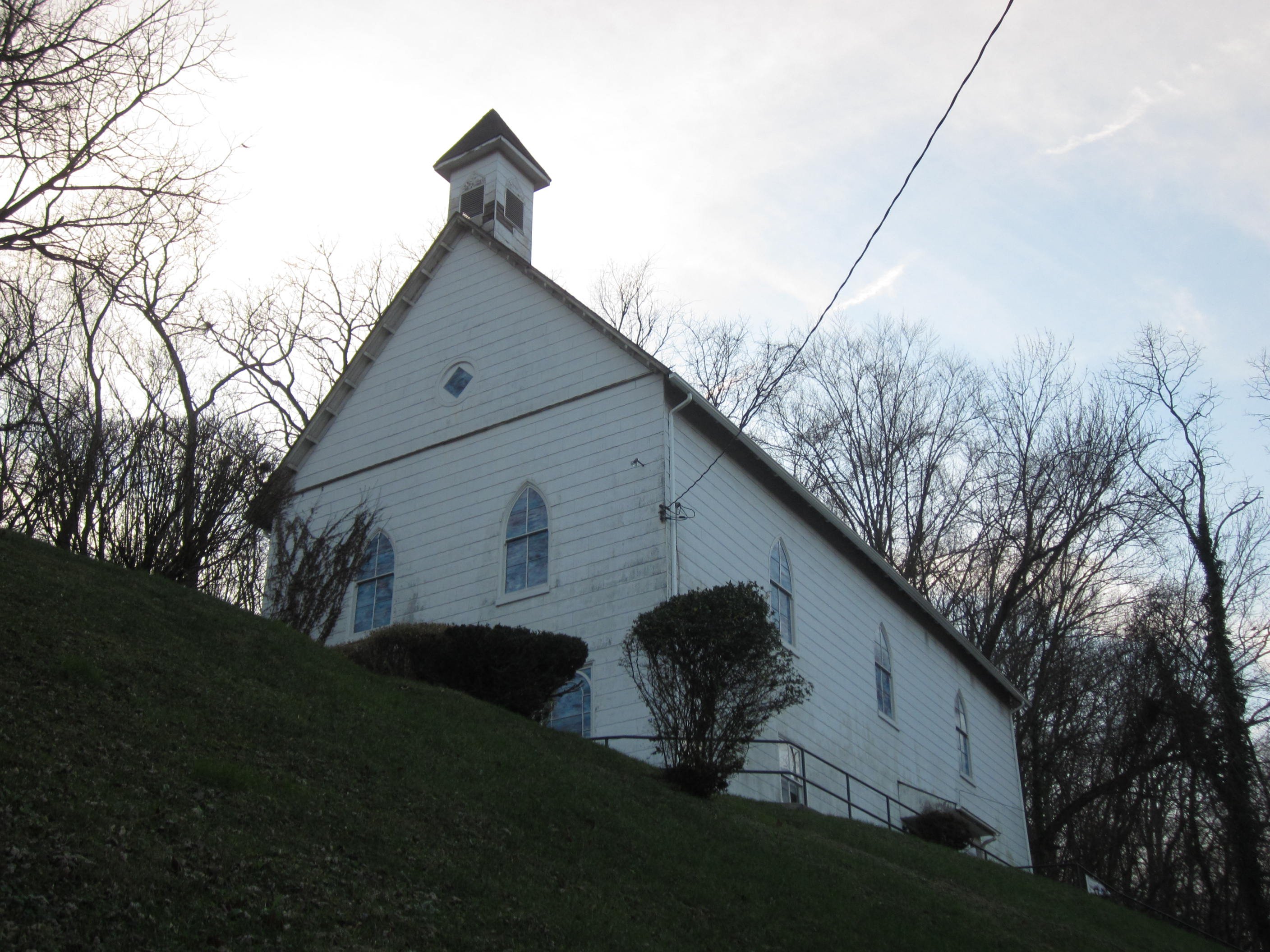
Ellicott City is one of the best-preserved mill towns in the United States, built into a steep granite gorge where the Patapsco River bends through Howard County, Maryland. Its Main Street drops sharply downhill in a tumble of 18th- and 19th-century stone buildings — a mill owner's mansion here, a granite tavern there — giving it a character quite unlike the flat suburban sprawl that surrounds it.
The town was founded in 1772 by three Quaker brothers from Bucks County, Pennsylvania: John, Joseph, and Andrew Ellicott. They came looking for fast water to power a grist mill and found it here. Within a generation, Ellicott's Mills had become a prosperous industrial center, supplying Baltimore's flour trade and serving as one terminus of what would become one of the most consequential short stretches of railroad in American history.
In 1830, the Baltimore and Ohio Railroad extended its line here, making Ellicott's Mills the site of the first railroad station in the United States still standing in its original form. The old stone depot at the foot of Main Street is now a museum and one of the most visited sites in Maryland.
Ellicott City is a day trip from Baltimore, about 30 minutes west. It has a real downtown — antique shops, local restaurants, and a lively bar scene — but feels genuinely historic rather than theme-park historic. The hills are steep and parking can be awkward on weekends, but the town rewards exploration on foot.