Ramah
©
Ramah

Ramah

Tiny New Mexico ranching town in a sandstone-rimmed valley near Zuni Pueblo and El Morro National Monument

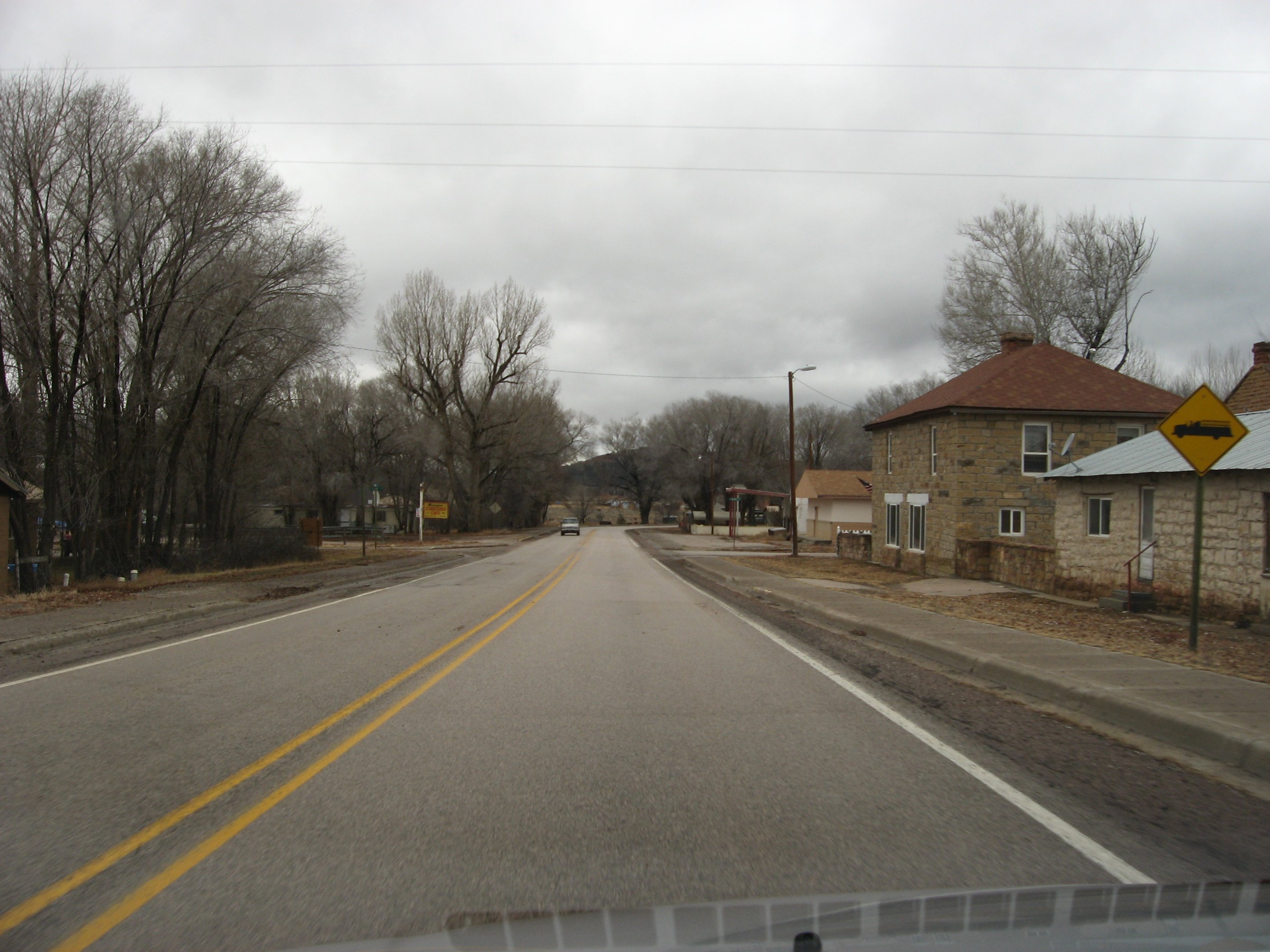
Tiny Ramah is located in a lush valley rimmed with sandstone cliffs, south of Gallup and east of Zuni Pueblo. It started as a Mormon colony in the 1870s and continues today as a small ranching and farming settlement — tall cottonwood trees shade sandstone houses built in the previous century. For whatever reason, it made Frommer's top-10 list of up-and-coming tourism destinations. The locals are all puzzled about this.

The attraction, such as it is, is the surrounding landscape: the Zuni Mountains rise to the south, Ramah Lake sits just west of town, and El Morro National Monument — with its extraordinary collection of ancient and historical inscriptions carved into a sandstone bluff — is a 30-minute drive. El Malpais National Monument, a surreal landscape of black lava flows and ice caves near Grants, is less than an hour to the northeast. Ramah makes an honest, unhurried base for exploring western New Mexico without the crowds of Santa Fe or Taos.

Guide

Day Trips

Ramah's remote location makes it a good base for exploring a stretch of western New Mexico that most visitors skip entirely. The area within an hour's drive is unusually rich.

El Morro National Monument (30 miles southwest) is the standout stop — a sandstone bluff covered in inscriptions from Ancestral Puebloan petroglyphs to Spanish colonial signatures to 19th-century pioneer names. Worth at least half a day.

Zuni Pueblo (25 miles west) is one of the largest and most culturally intact pueblos in New Mexico, with a permanent population of around 10,000. The historic A:shiwi mission church, rebuilt after its destruction in the Pueblo Revolt of 1680, is one of the most striking adobe buildings in the Southwest. The pueblo welcomes respectful visitors but has restrictions on photography; call ahead.

El Malpais National Monument (40 miles northeast near Grants) protects a landscape of lava flows, sandstone bluffs, and ice caves. The contrast between the black basalt and the red sandstone cliffs is extraordinary.