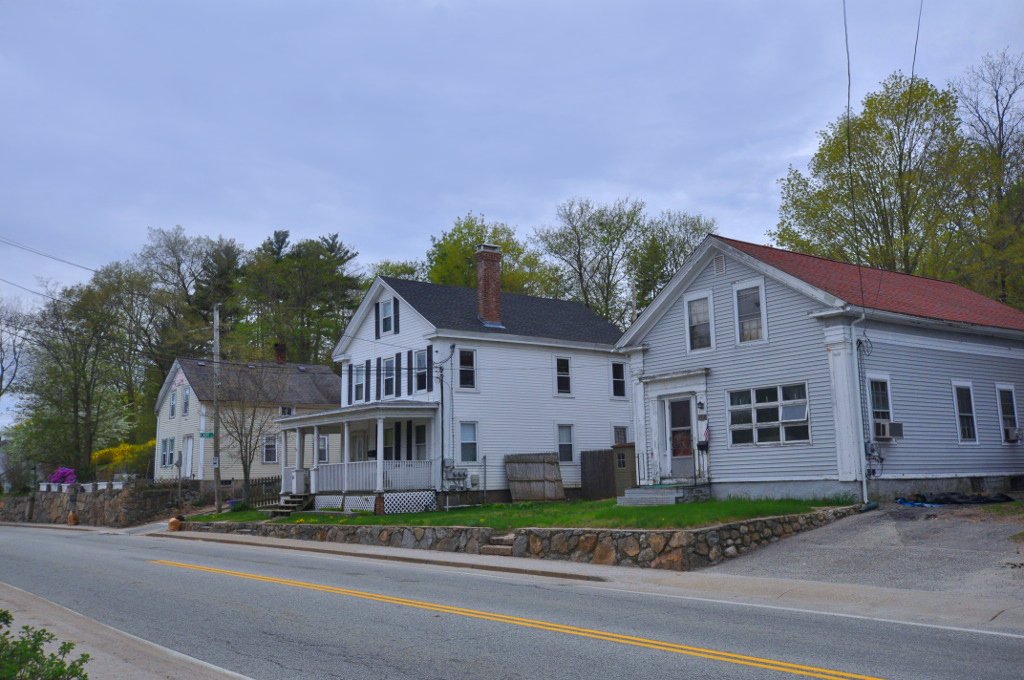
Coventry is one of Rhode Island's larger towns by area but feels surprisingly rural, especially in its western half where farms and forest still dominate. About twenty minutes southwest of Providence, it straddles the line between suburb and countryside.
The town's main historical draw is the Nathanael Greene Homestead, the 1770 home of the Revolutionary War general who served as George Washington's second-in-command and is credited by many historians with winning the Southern Campaign that ended British control of the Carolinas. The house is open for guided tours on weekends from May through October, and the surrounding landscape has not changed dramatically since Greene's day. A few miles north, the Waterman Tavern is a 1744 colonial way station that anchors a small cluster of 18th-century buildings in Whaley's Hollow. The eastern villages of Anthony and Quidnick preserve clusters of old mill buildings from the 19th-century industrial era, worth a slow drive if you are interested in New England's manufacturing past.
For outdoor time, the Trestle Trail runs roughly 18 miles along a converted rail corridor through the forests of western Coventry and into Connecticut — good for cycling and walking. The George B. Parker Woodland Wildlife Refuge protects a large tract of quiet second-growth forest with stone walls and old cellar holes. In the east of town, Flat River Reservoir — locally known as Johnson's Pond — is the largest lake in Coventry and a busy summer spot for fishing, kayaking, and swimming. Coventry is not a destination in itself, but for visitors wanting the quieter, greener side of Rhode Island, it delivers.