La Crosse sits where the Black River and the La Crosse River empty into the Mississippi, a natural confluence that has shaped the city's character for centuries. It's a small city of around 55,000 people in southwest Wisconsin — big enough to have real universities, a lively riverfront, and genuine Oktoberfest celebrations, small enough that the bluffs above town still feel wild.
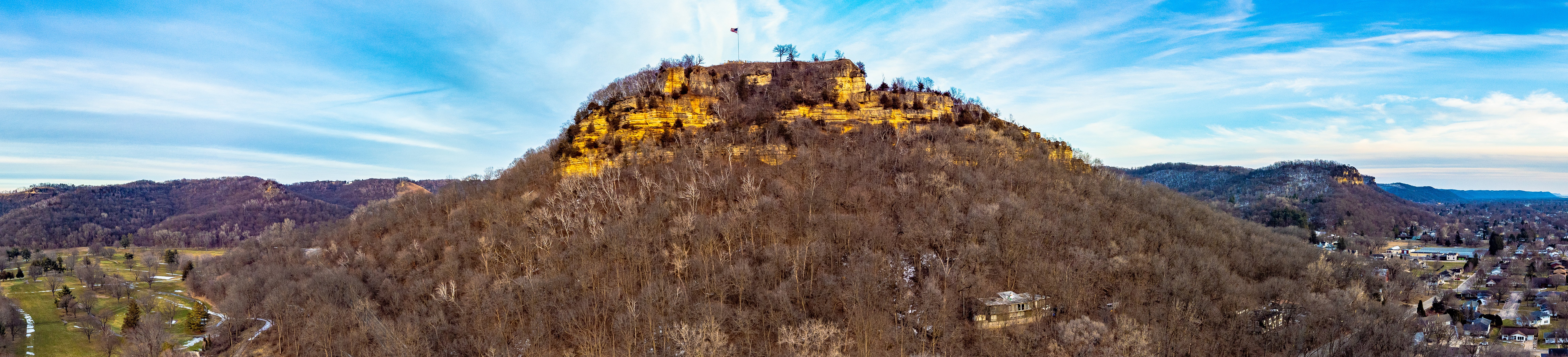
Those bluffs are the thing. Grandad Bluff rises 580 feet above the city and looks out over the Mississippi valley in a way that will stop you cold on a clear day. In October, when the hardwood slopes turn yellow and red, the view is genuinely spectacular — one of the better autumn vistas in the upper Midwest. Hiking trails wind through the bluffs year-round, and Mount La Crosse on the city's southeastern edge handles downhill skiing in winter.
The town has deep German and Scandinavian roots, which explains why Oktoberfest here is not a marketing exercise but a genuine week-long event each October with parades, beer tents, and the kind of communal enthusiasm that outsiders don't always expect from small Wisconsin cities. Riverfest in July brings a similar energy to Riverside Park, with fireworks over the Mississippi on the 4th. There's a local legend — almost certainly apocryphal — that tornadoes never strike where three rivers meet. La Crosse has been mostly spared in any case.
The city has a substantial university presence: the University of Wisconsin-La Crosse and Viterbo University both anchor student neighborhoods near downtown. There's also a notable Hmong community, one of many that settled in Wisconsin following the Vietnam War, which has added its own character to the city's food and culture over the past few decades. And yes, the world's largest six-pack is here — six giant beer tanks at City Brewing that hold 688,200 gallons combined.