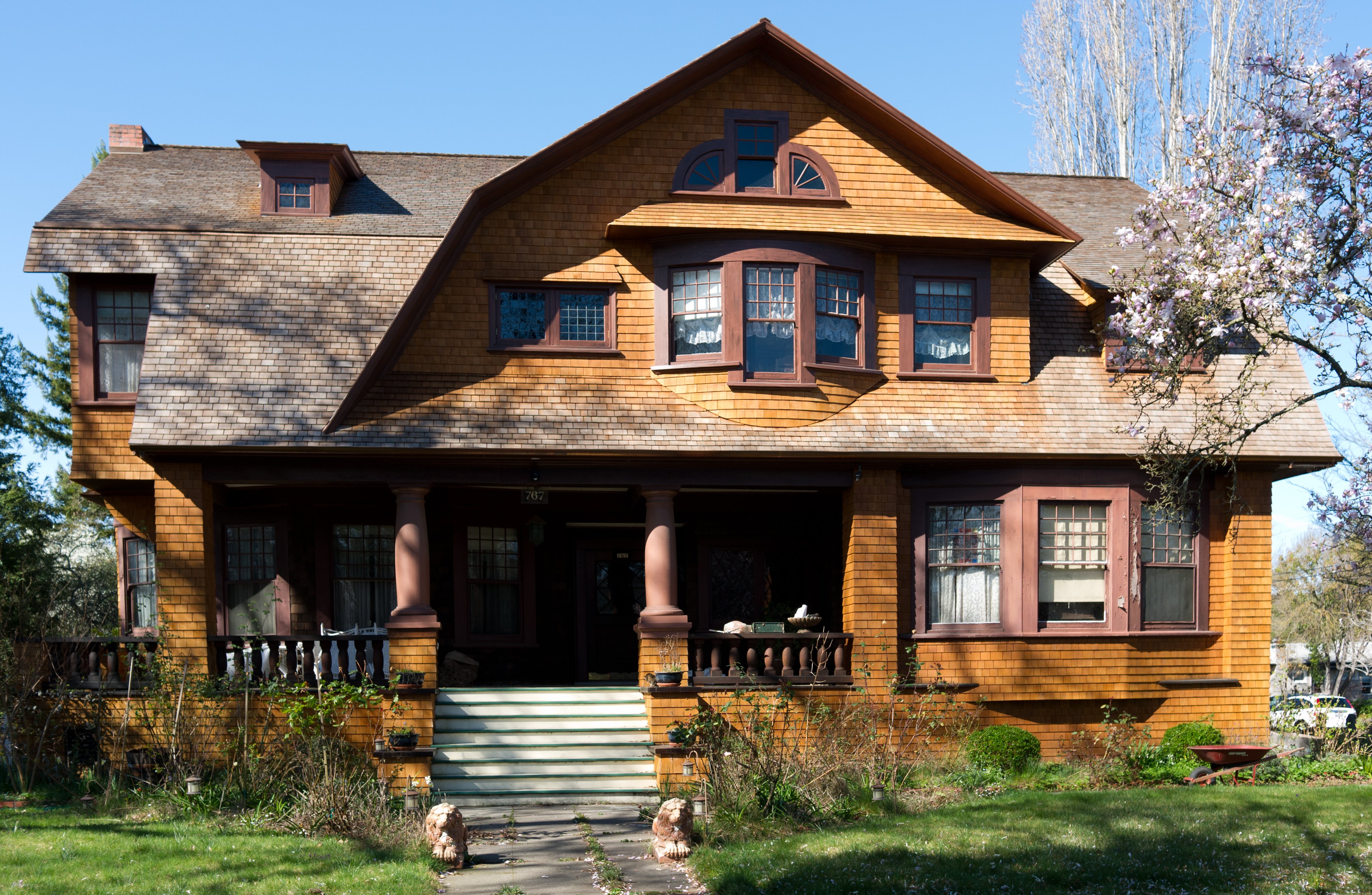
Santa Rosa is the largest city in California's North Bay and the county seat of Sonoma County, sitting 55 miles north of San Francisco at the heart of Sonoma's wine country. It is not, in itself, a picture-postcard destination — much of the historic downtown was lost first to the 1906 earthquake and then to mid-century redevelopment — but it makes an excellent base for exploring the surrounding vineyards, redwood parks, and Pacific coast, and it has a handful of genuinely good small museums of its own.
The two things every visitor sees are the Charles M. Schulz Museum, a serious tribute to the creator of Peanuts (Schulz lived and worked here for the last 30 years of his life), and the Luther Burbank Home and Gardens, where the horticulturist who bred the Russet Burbank potato and the Shasta daisy lived and experimented for half a century. Beyond those, the Museum of Sonoma County is housed in a 1909 Carnegie post office and combines local history with contemporary art, and the small Church of One Tree on the edge of Juilliard Park is built — pews and all — from the timber of a single redwood.
The walkable centre of gravity is Railroad Square, a few blocks of stone-fronted buildings west of Highway 101 that survived the earthquake and now hold antique shops, restaurants, and the SMART commuter station. Across the freeway, Old Courthouse Square was reunified in 2017 — for decades a road ran through the middle of it — and now functions as the city's main public space, with farmers markets in summer.
The real reason most people stay in Santa Rosa, though, is what lies outside it: the Russian River, the Sonoma Coast, Armstrong Redwoods, and the wine routes through Healdsburg, Sebastopol, and the Alexander Valley. The city is closer to all of these than Napa or San Francisco, and considerably cheaper.