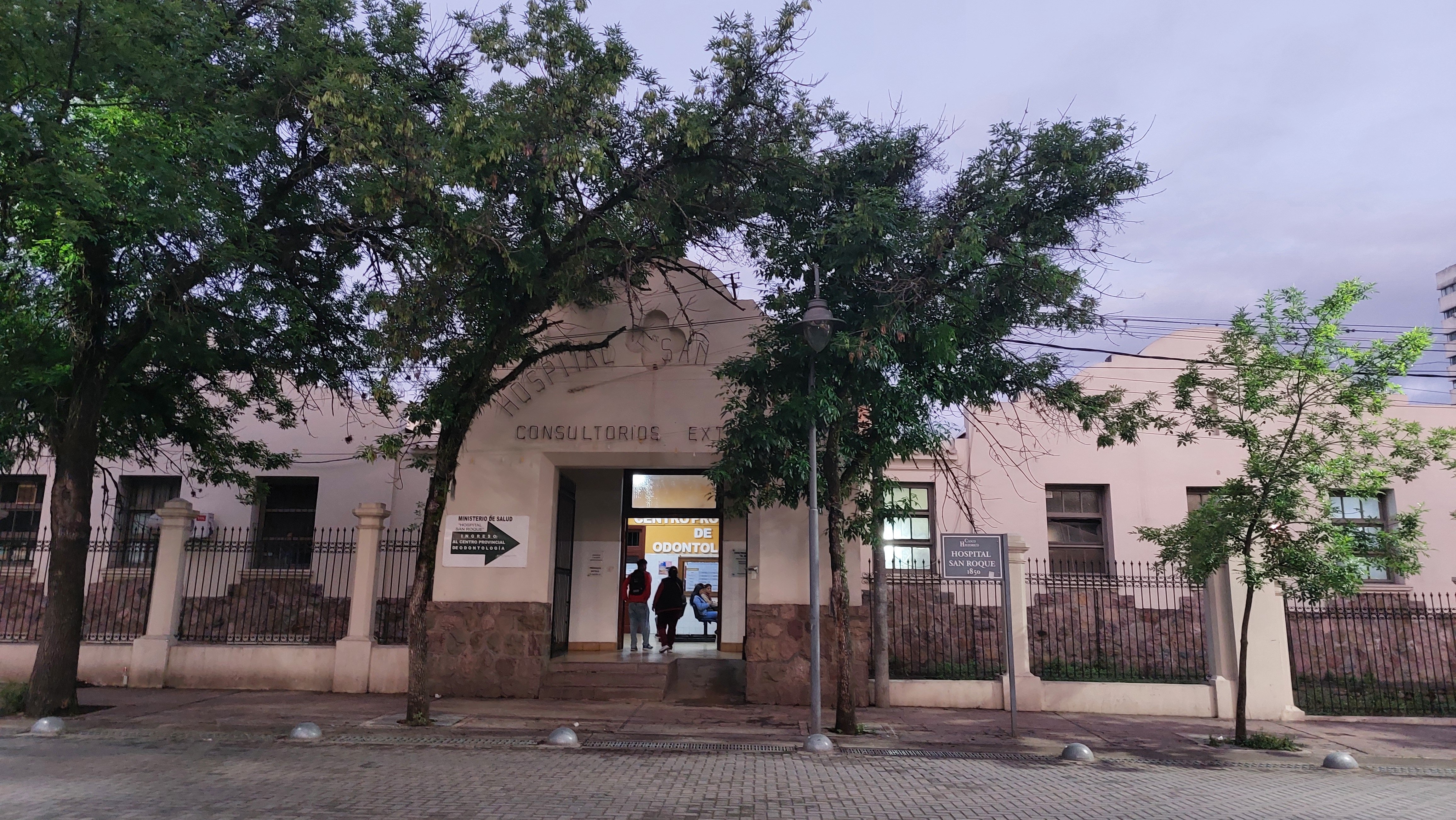
San Salvador de Jujuy — known simply as Jujuy — is the capital of Argentina's northernmost province, a city of roughly 300,000 that straddles the junction of two Andean rivers. You feel the change from the rest of Argentina the moment you arrive: the Quechua heritage is unmistakable in the faces on the street, the music drifting from shops, and the chewing of coca leaves by vendors in the market. This is genuinely intercultural Argentina, where Andean tradition and colonial history sit side by side on the same plaza.
The city itself is pleasant enough — tree-lined streets, a colonial cabildo, cheap and cheerful restaurants around the bus terminal — but it is really the surrounding province that draws travelers. The Quebrada de Humahuaca, a narrow canyon running north from just outside the city, is the headline act: a UNESCO World Heritage Site with rainbow-striped rock walls, pre-Inca ruins, and villages of whitewashed adobe unchanged in their essentials for centuries. The route passes through Purmamarca under its famous seven-coloured hill, bohemian Tilcara with its pre-Inca hilltop fortress, and Quechua Humahuaca at the head of the valley. Further west, the road climbs through sparse, alien puna landscape to the Salinas Grandes, an enormous salt flat that shimmers white under the high Andean sun.
One practical note: siesta is taken seriously here, and the town goes genuinely quiet for two to three hours in the afternoon. Plan accordingly. Around the bus terminal you'll find very cheap accommodation — useful but noisy — so if sleep matters, look for something a little further in.
Jujuy makes a good base for the surrounding region, though many travelers also use Salta to the south. The road between the two cities — not the main highway, but the scenic route through forested mountain slopes — is worth doing at least once and is rarely taken by buses.