Atacama mining city and high-desert transit hub for Chuquicamata and San Pedro de Atacama.
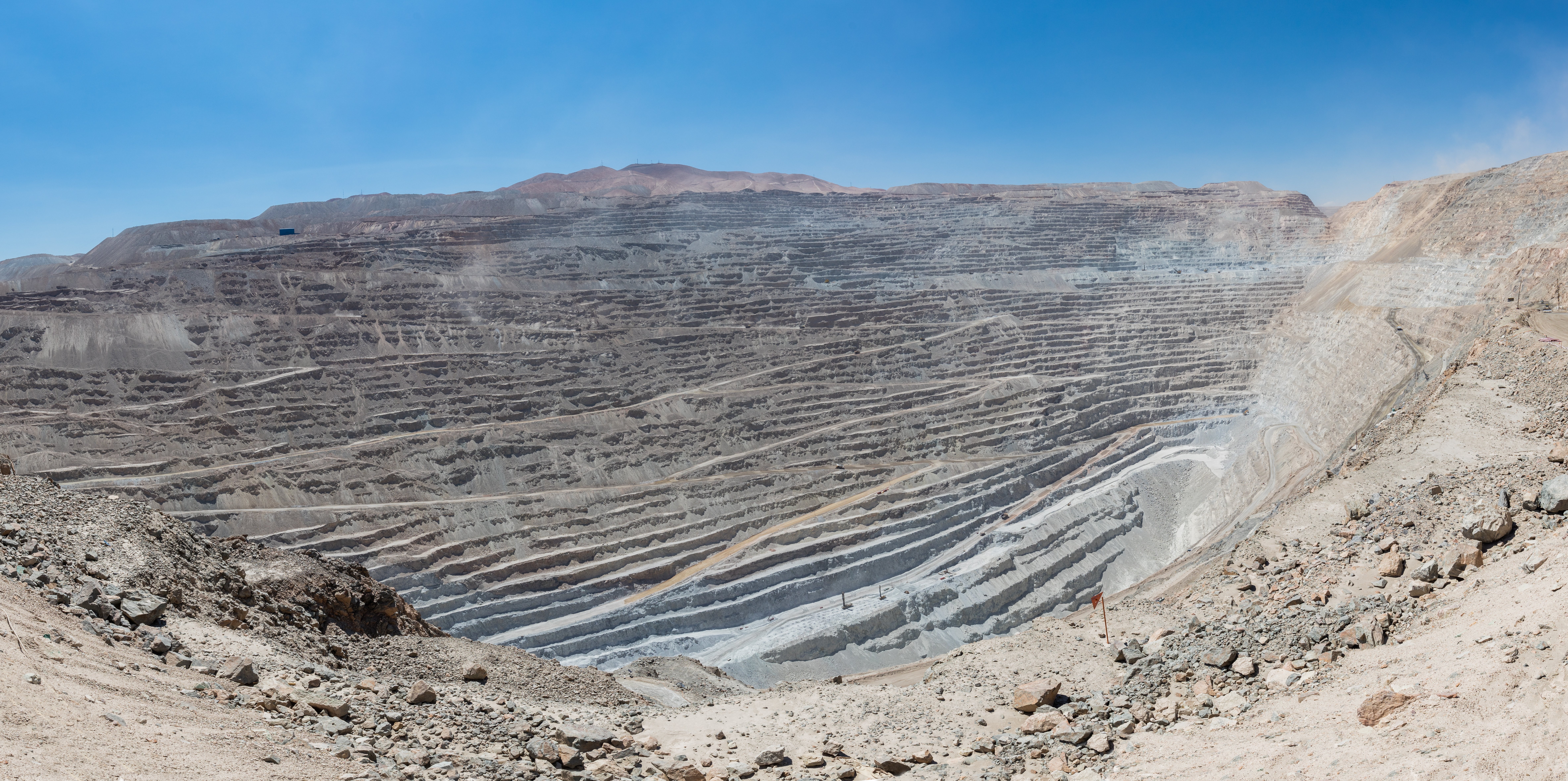
Calama is a desert city in northern Chile's Atacama region, at 2,250 metres above sea level in the dry Loa River valley. It's primarily a mining city — the Chuquicamata copper mine nearby is the largest open-pit copper mine in the world — but most travelers know it as the transit hub for San Pedro de Atacama, the oasis village and gateway to the Atacama Desert, about 100 kilometres east.
There's not much reason to linger in Calama itself — it's a functional mining town without much charm — but you will likely pass through on the way to or from San Pedro. The town has an airport with connections to Santiago and Antofagasta, a reasonable selection of hotels, and good bus connections to San Pedro (around 90 minutes on the paved road). The Parque El Loa near the centre is the main open space, and there are a few decent restaurants along the main commercial strip.
If you're arriving from Bolivia via the Uyuni salt flat crossing, Calama is typically the first Chilean city you'll reach, and after several days in remote highland landscapes it feels unexpectedly well-supplied.
Guide
Day Trips
The reason most travellers find themselves in Calama is the surrounding landscape. The Chuquicamata mine to the north makes a half-day visit on a free Codelco-run tour. The Atacama Desert and the oasis village of San Pedro de Atacama lie 100 km east on a fast paved road — but San Pedro deserves at least two nights of its own rather than a day trip, since the geysers, salt flats, and altiplano lagoons are best reached on early-morning departures from there.
For a true day-trip option, the village of Chiu Chiu (33 km northeast) has a whitewashed 17th-century adobe church, one of the oldest in Chile, and the nearby Lasana fortress — a pre-Inca pukara built in the 12th century. Easy to combine in a half-day with a hire car or a local tour.
Guide
Getting Around
Central Calama is small enough to walk in 15 minutes end-to-end. The plaza, the cathedral, and most of the hotels and restaurants sit within a few blocks of each other. Taxis are cheap and plentiful; Cabify and Uber operate but coverage thins after dark.
For trips out of town — Parque El Loa, the Chuquicamata mine, the airport — taxis or rideshare are the easiest option. Car rental is available at the airport and is worth considering if you plan to combine Calama with the wider Atacama; the road to San Pedro is paved, but most other routes require a 4×4 and decent navigation.
Guide
Getting There
El Loa Airport (CJC), about 7 km south of the centre, has frequent daily flights from Santiago (about 2 hours) with LATAM, Sky Airline, and JetSmart, plus connections from Antofagasta. The airport handles much of the traffic for tourists heading on to San Pedro de Atacama — many transfer companies meet flights and drive straight there without stopping in town.
Long-distance buses run from Calama to Antofagasta (3 hours), Iquique (6 hours), Santiago (overnight, around 20 hours), and across the Bolivian border to Uyuni and beyond. The main bus terminal is on Granaderos, north of the centre. Frequent services to San Pedro de Atacama (90 minutes on the paved Route 23) make the connection easy in either direction.
Guide
When to Go
The Atacama is one of the driest places on Earth, so weather is rarely a deciding factor. Year-round, days are dry, clear, and dusty; nights at this altitude (2,250 m) can be sharply cold. Summer (December–March) is hottest, with daytime temperatures around 25–28°C and warm evenings; this is also the brief season of the so-called "Bolivian winter", when occasional thunderstorms cross the highlands and bring short rains.
Winter (June–August) is dry and cool — pleasant by day, near-freezing at night. The shoulder months of April–May and September–October are arguably the best time, with stable weather and lower visitor numbers. Avoid hitting Calama around the Independence Day holiday (18 September), when flights and onward transport to San Pedro fill up weeks in advance.