Copiapó is a mining city in the Atacama Desert of northern Chile, the capital of Atacama Region. It sits in a green river valley carved through one of the driest landscapes on earth — the Río Copiapó is the only river in the desert that reaches the sea, and the contrast between the irrigated valley and the barren hills around it is stark.
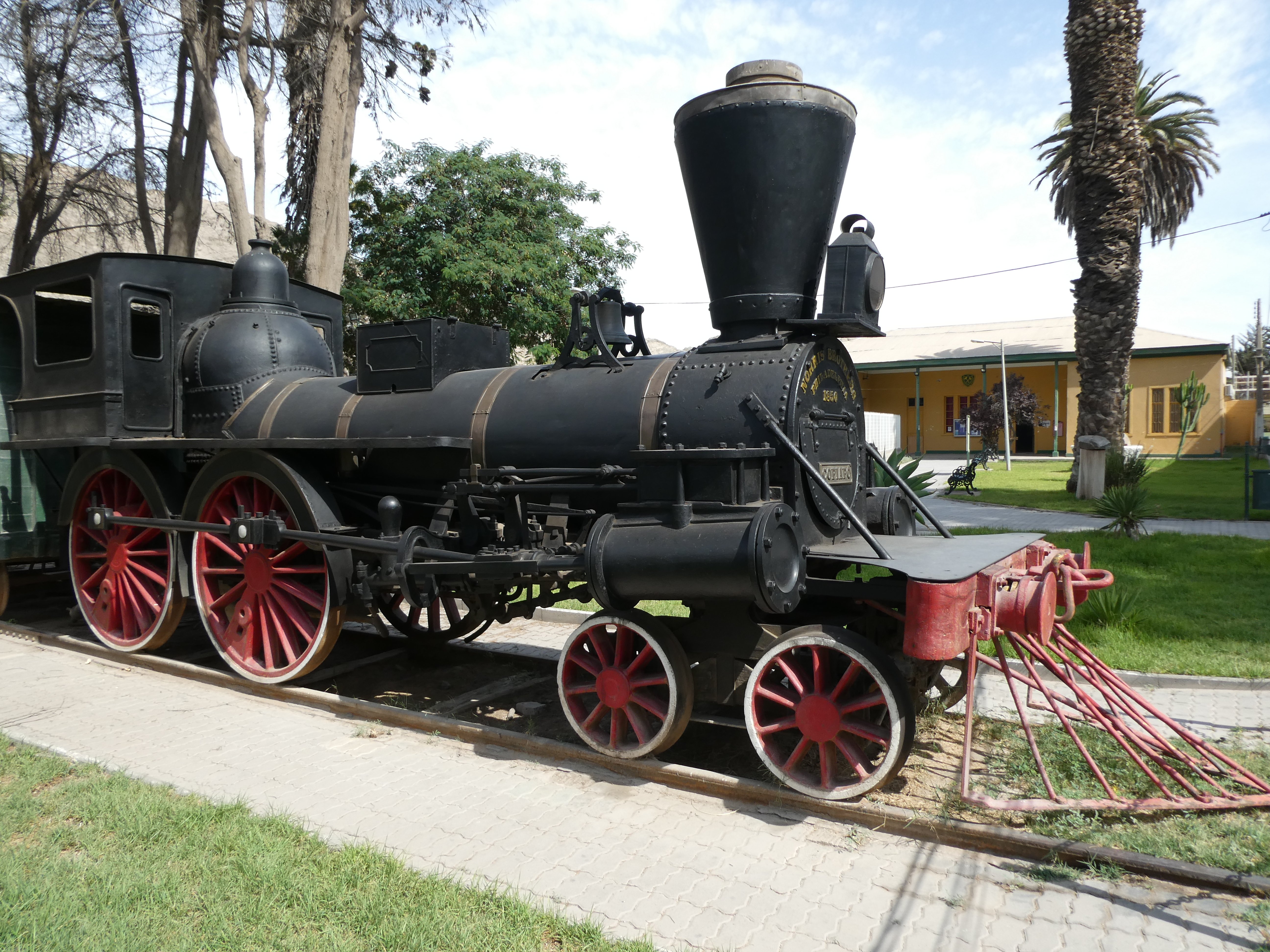
The city owes its existence to silver and copper. The silver rush of the 1830s brought the first railway in South America here (1851), and mining remains the economic engine. The Museo Mineralógico has an excellent collection of minerals and tells the story of Chilean mining. The Museo Regional de Atacama, in the former home of the Matta family, covers regional history in a handsome colonial building. The city gained global attention in 2010 when 33 miners were trapped for 69 days in the Mina San José, rescued live on television to worldwide relief.
The real draw is using Copiapó as a base for the surrounding desert. The Desierto Florido — the spectacular flowering of the Atacama that occurs in rare rainy years — happens in the hills around Copiapó when conditions are right (roughly every five to seven years). The Parque Nacional Nevado Tres Cruces, with high-altitude salt lakes, flamingos, and the Ojos del Salado (the world's highest active volcano at 6,893 metres), is accessible from here. Bahía Inglesa, a beautiful beach about 70 kilometres west, has turquoise water and white sand.