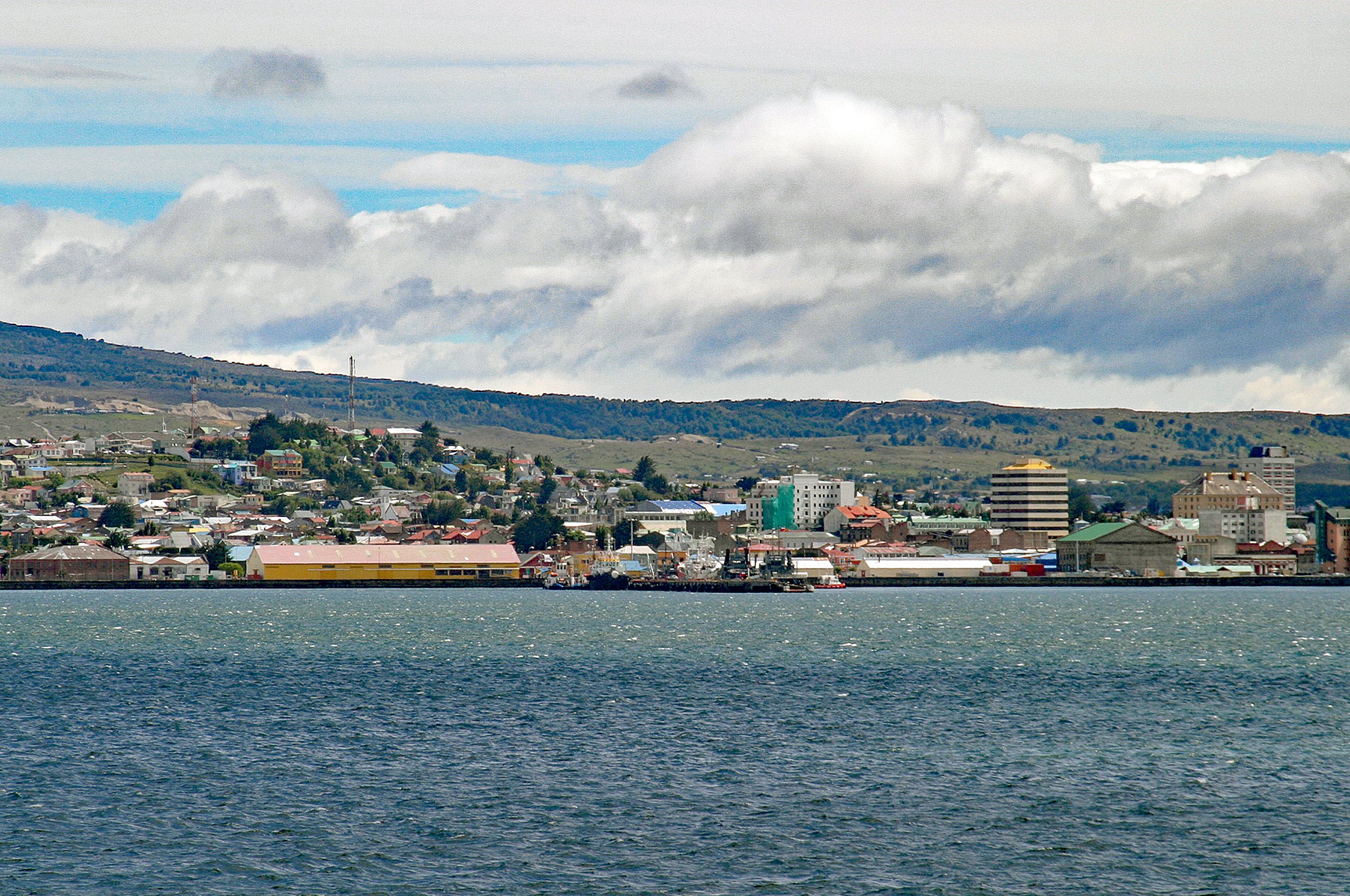
Punta Arenas sits on the edge of the Strait of Magellan, at the very bottom of continental Chile, and for most of its history it has been one of the most isolated cities in the world. Founded in 1848 as a Chilean military outpost to secure the strait, it grew rich in the second half of the nineteenth century on sheep, wool and shipping — every vessel from Europe to California came this way before the Panama Canal opened in 1914. That brief golden age left behind an extraordinary collection of belle-époque mansions built by British, Croatian and Spanish estancia owners, and most of the cemetery, bank buildings and central Plaza Muñoz Gamero feel more like a slightly weathered European provincial capital than a Patagonian port.
The city itself is windy, grey and unpretentious — a place of corrugated iron, bundled-up fishermen, and tough, friendly people. The Plaza and the Museo Regional de Magallanes (housed in the former Braun-Menéndez palace) are the obvious stops, and the Cementerio Municipal, with its manicured cypress avenues and the Croatian and English tombs, is worth more time than it sounds. From the harbour, boats run out to Isla Magdalena, a small flat island in the strait whose entire surface, from October to March, is covered by some 120,000 breeding Magellanic penguins.
For most travellers, though, Punta Arenas is a base. This is the gateway to Chilean Patagonia, Tierra del Fuego, and — through the sister-city of Puerto Natales — the glaciers and granite towers of Torres del Paine. It is also the jumping-off point for flights and cruises to Antarctica. Dress for the cold, the wind, and the long sub-polar summer evenings; bring good waterproofs, and prepare to eat extremely good lamb and king crab.