Osorno
©
Osorno

Osorno

Southern Chilean regional city in dairy country, watched over by the cone of Osorno volcano.

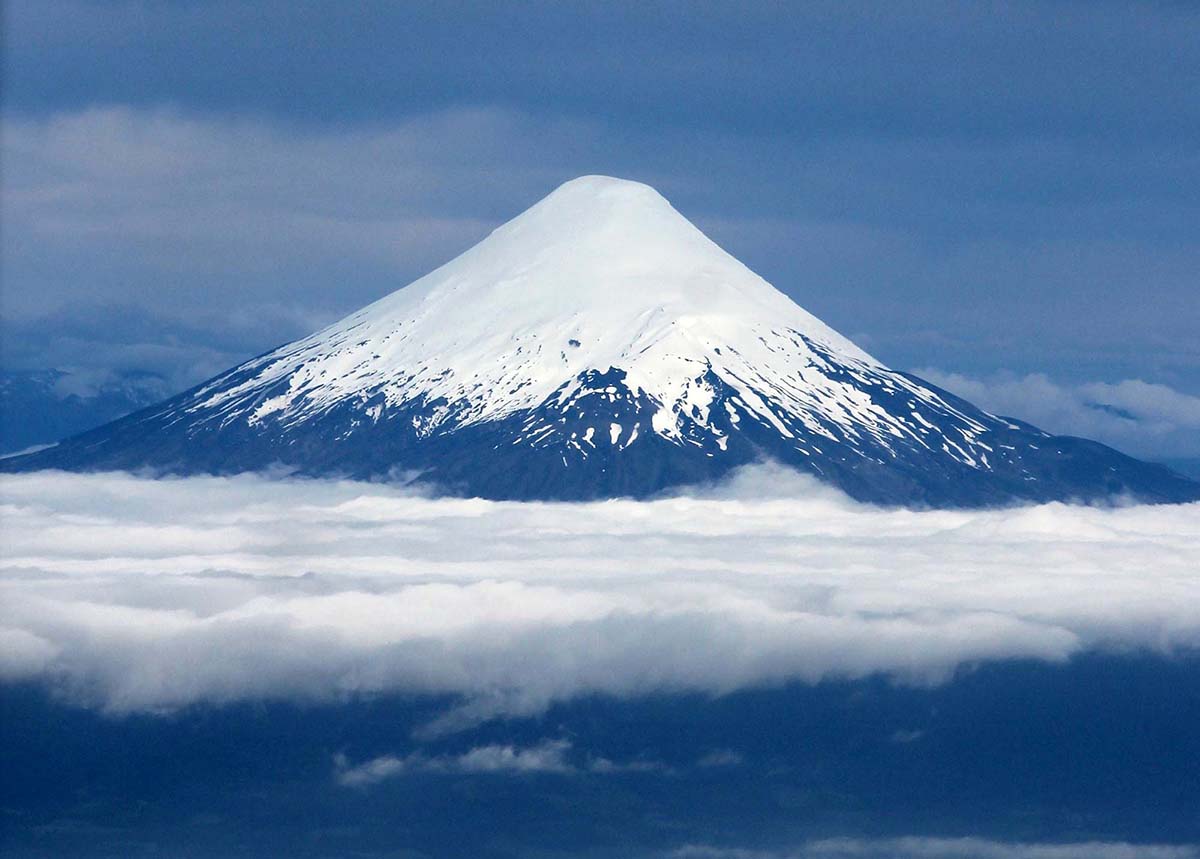
Osorno is a city of about 150,000 people in the Los Lagos region of southern Chile, roughly halfway between Puerto Montt and the Los Ríos region. The surrounding countryside is dairy and cattle country — lush, rainy, and green, draped across rolling hills with the cone of the Osorno volcano (2,660 metres) dominating the eastern horizon. The city itself is a practical regional centre, with German-influenced architecture reflecting the heavy 19th-century immigration from Germany, Switzerland, and Austria that shaped the whole region.

The main traveler draw is not the city but its position as a base for the surrounding lakes and volcanoes. Puyehue National Park is about 80 km east — good thermal springs, trekking, and skiing in winter at the Antillanca Ski Resort. Lago Rupanco to the south is one of the less-visited lakes in the region, quieter and more pristine than the tourist-heavy Lago Llanquihue near Puerto Montt.

In the city itself, Fort Reina Luisa overlooks the Rahue River with a colonial fortification and regional history museum. The Plaza de Armas is the civic center, surrounded by the Cathedral of San Mateo and 19th-century commercial buildings. The Mercado Municipal is the best place to eat lunch and buy local dairy and produce.

Osorno is also the jumping-off point for the crossing to Argentina via the Puyehue-Cardenal Samoré pass — a spectacular route through beech and araucaria forests to reach Bariloche on the Argentine side.

Guide

Eating Out

Osorno's food reflects its agricultural surroundings: good beef, fresh dairy, and the German-Chilean tradition of kuchen and smoked meats. The Mercado Municipal is the best place for an affordable lunch; the downtown streets around the Plaza de Armas have a reasonable selection of restaurants and parrillas. Don't expect sophistication — this is a practical regional city with practical regional food.

Guide

Getting There

Osorno sits on the Panamericana (Ruta 5) and is easy to reach by long-distance bus from Santiago (about 12 hours), Puerto Montt (1.5 hours south), and Temuco (3 hours north). Turbus, Pullman, and Tur-Bus all serve the city; the terminal is a 10-minute walk from the Plaza de Armas.

The Canal Bajo Carlos Hott Siebert Airport, about 7 km east of the city, handles limited domestic flights — LATAM connects Osorno to Santiago. Bus is generally the practical choice given frequency and price. For the crossing to Argentina via the Cardenal Samoré pass, buses operate year-round from the Osorno terminal directly to Bariloche.

Guide

When to Go

The Los Lagos region is one of the wettest in Chile — expect rain at any time of year. Summer (December–February) is the driest period and the best time for trekking and lake activities. The Festival de la Carne y la Leche in late January celebrates the region's dairy and cattle economy with market events and tastings. The Antillanca ski resort runs from June to September; Puyehue National Park is accessible year-round but some higher trails are closed in winter.

The crossing to Argentina via the Cardenal Samoré pass can be affected by snow and ash in winter and after volcanic events. Check conditions before attempting the crossing between June and September.