French Guiana is an anomaly on the South American map: a French overseas department wedged between Brazil and Suriname, using the euro, governed from Paris, and launching rockets into space from its equatorial coastline. It is not a former colony struggling with its independence — it is France, constitutionally and practically, which means EU passports, French prices, and a functioning social safety net in the middle of the Amazon.
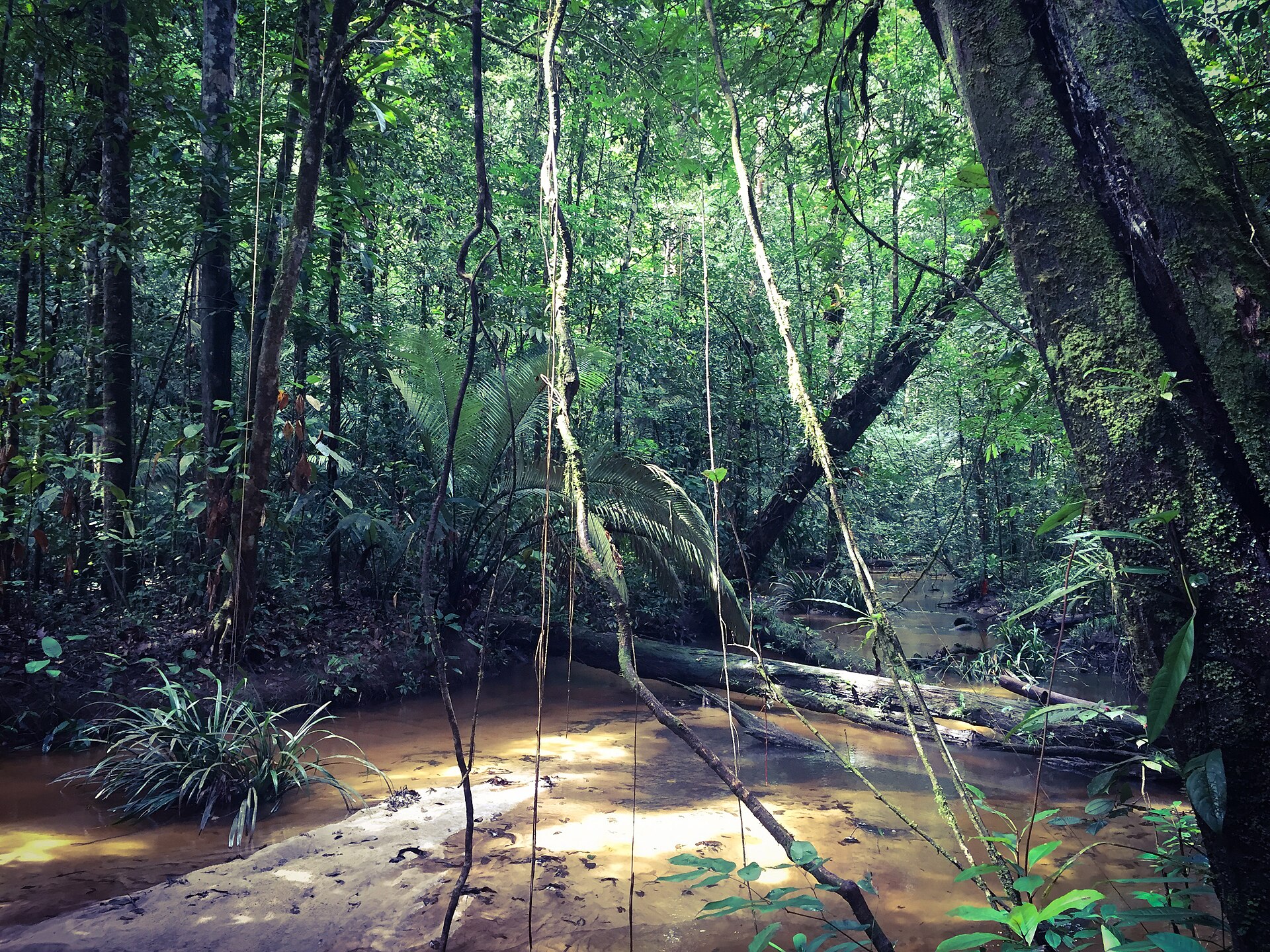
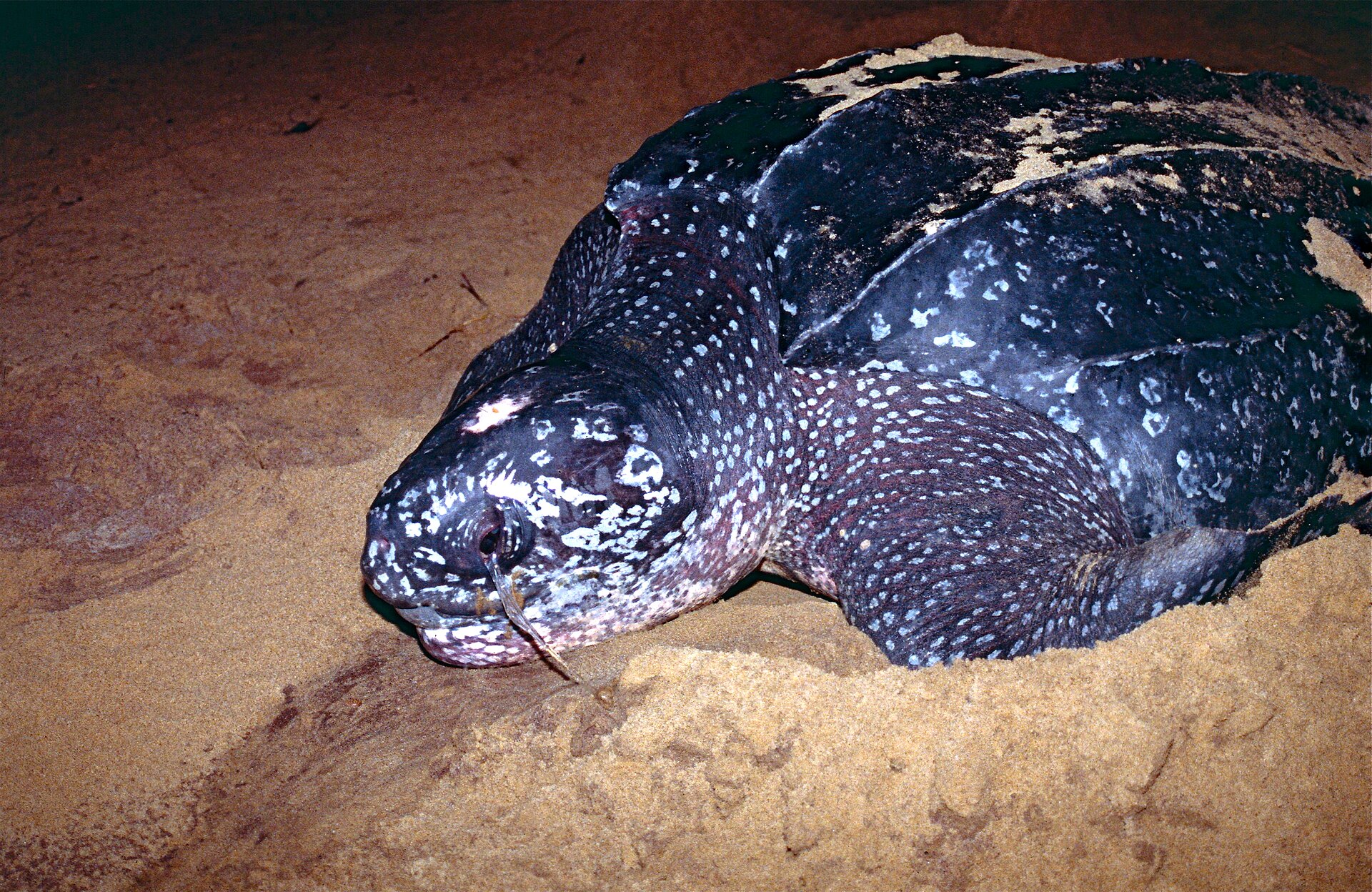
About 90% of the territory is covered by primary rainforest, much of it in the Guiana Amazonian Park, the largest national park in the European Union. The coast is humid and flat; the interior rises into forested highlands reached only by small aircraft or long river journeys. The biodiversity is staggering — more than a thousand tree species, over five hundred birds, jaguars, tapirs, giant river otters, and leatherback turtles nesting on the beaches.
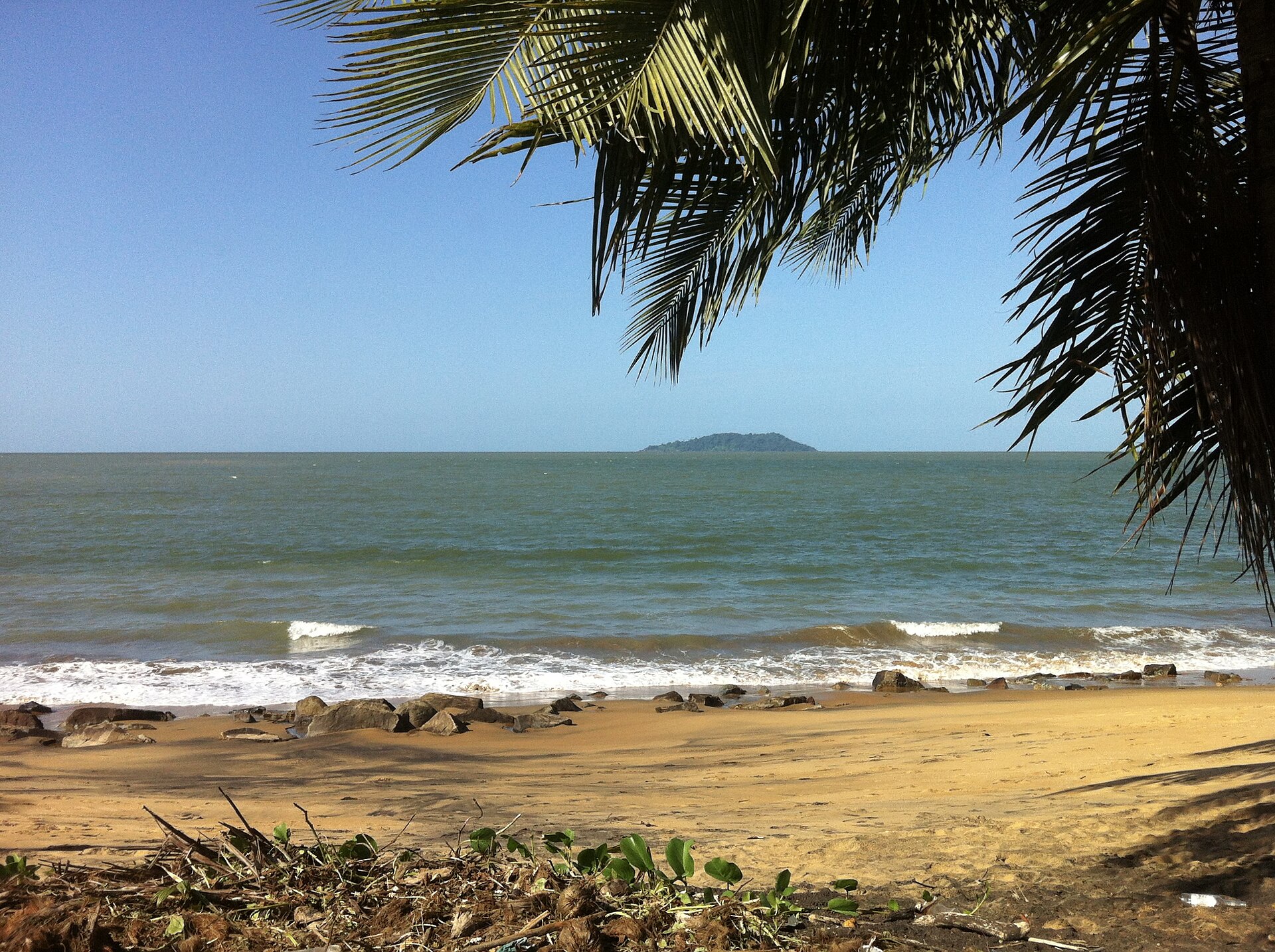
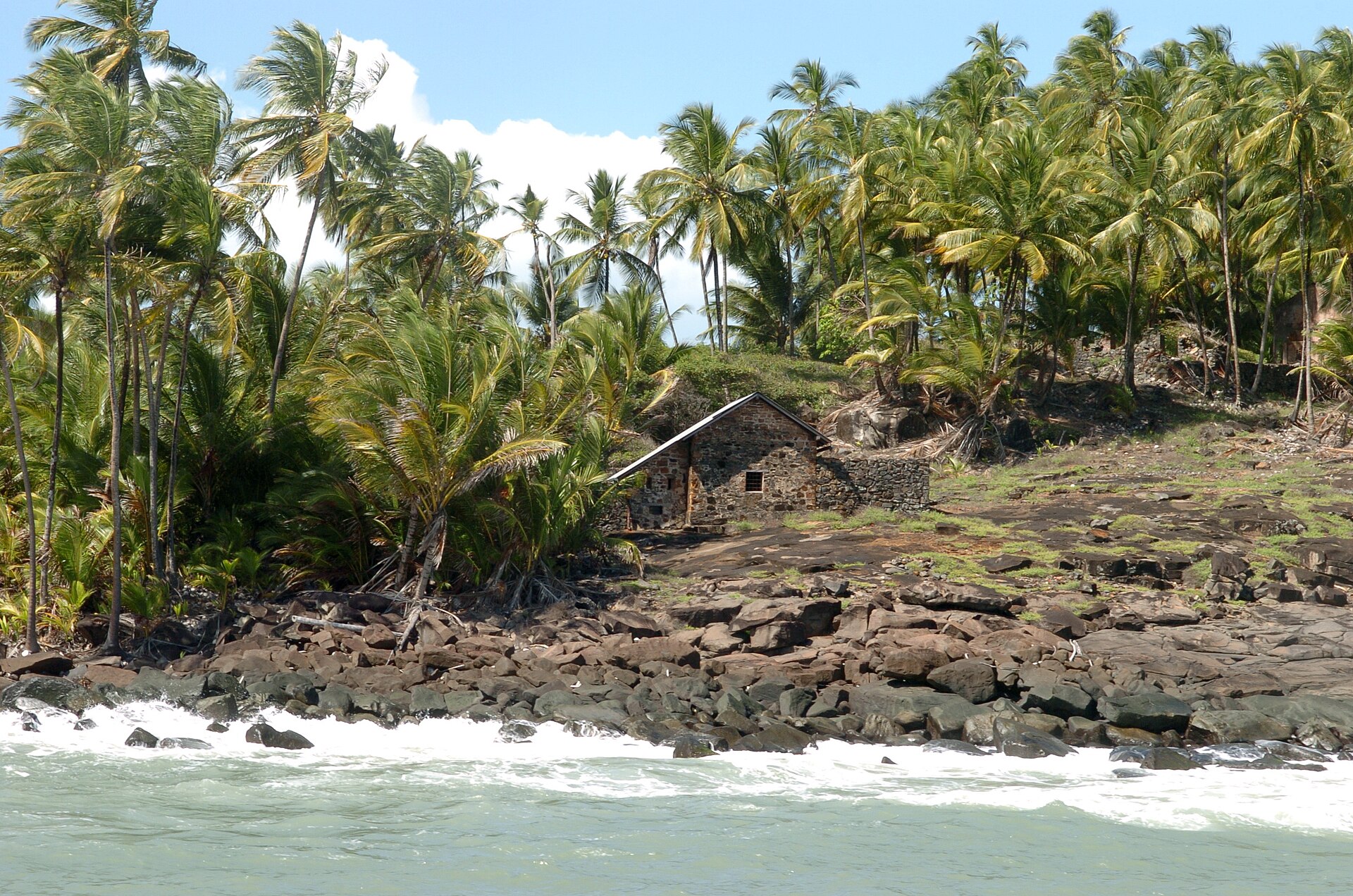
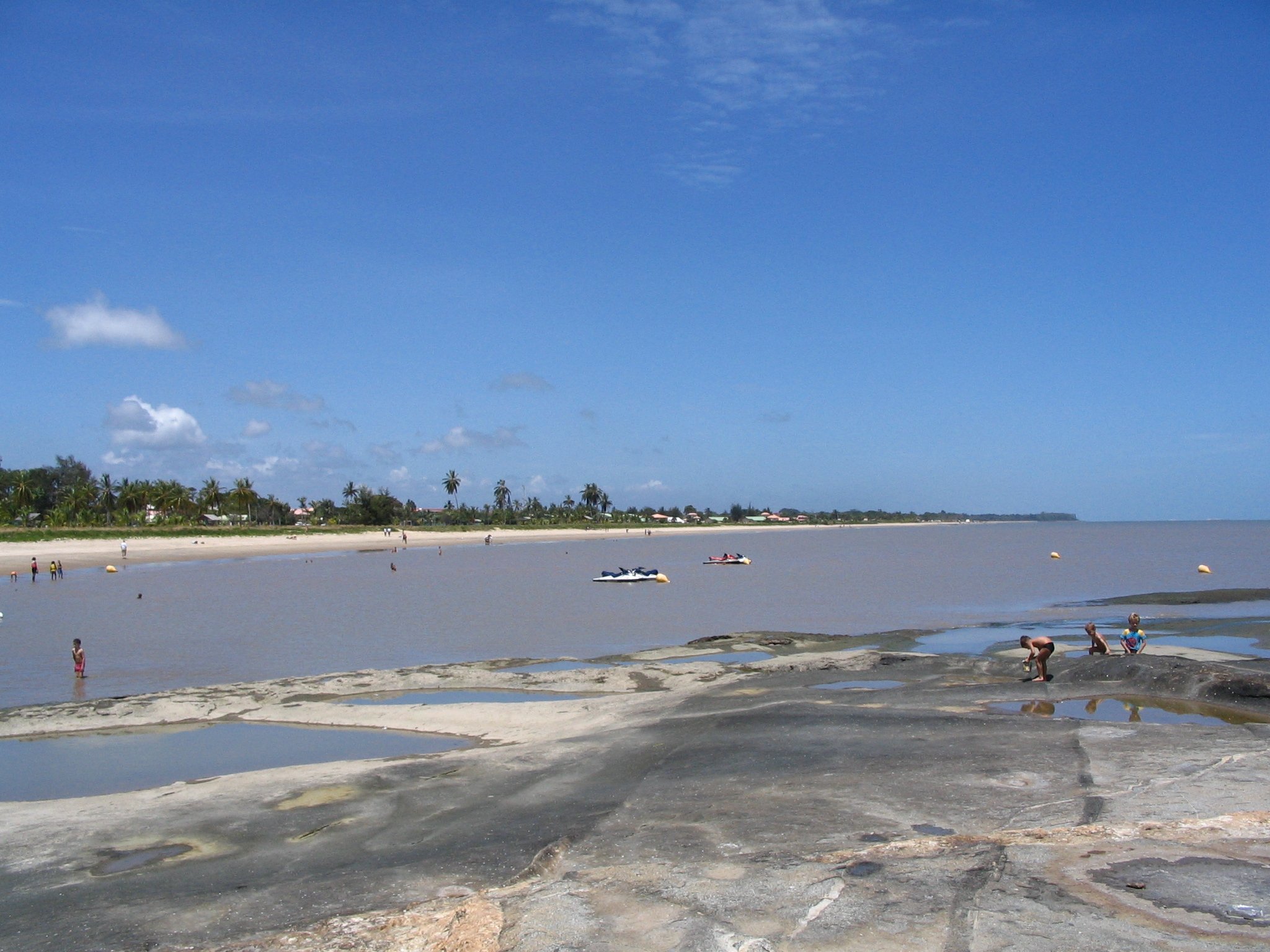
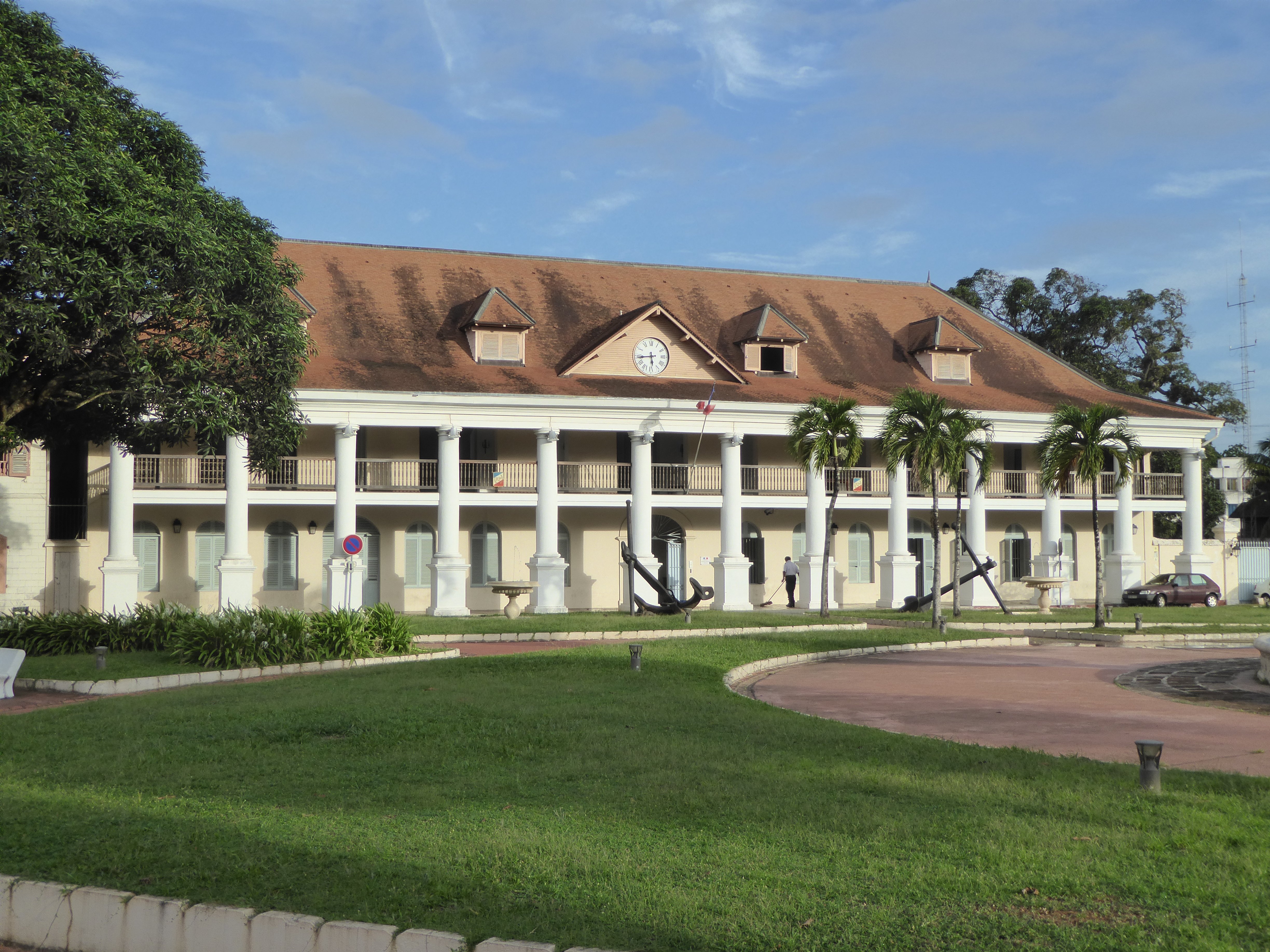
Almost everyone lives on the coast. Cayenne is the capital, with the beaches and forest trails of Rémire-Montjoly next door; Kourou is the space town, where you can watch an Ariane launch from a viewing site, and the port for the Îles du Salut, the islands that held France's most infamous penal colony, Devil's Island among them. Sinnamary sits between them on its estuary.
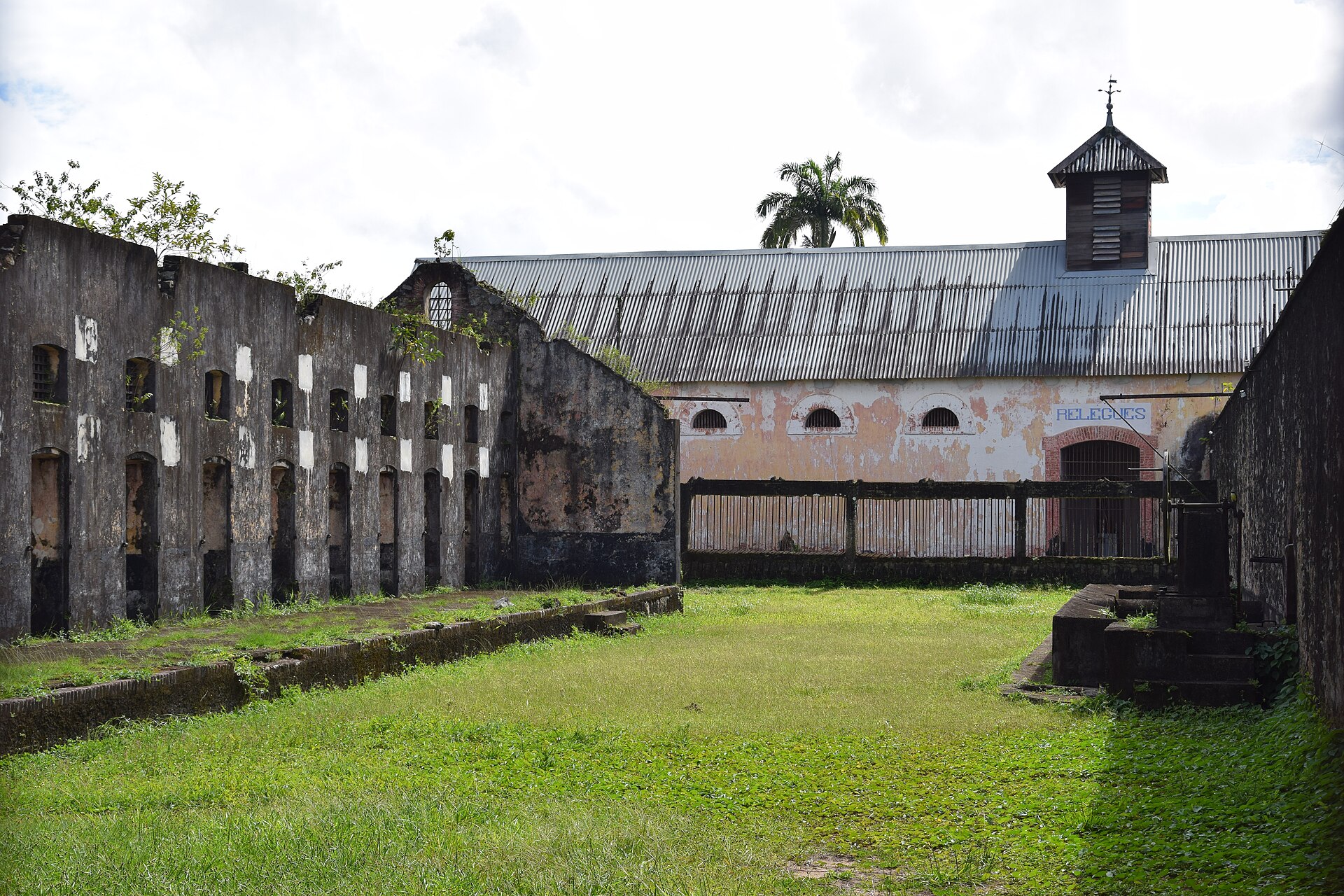
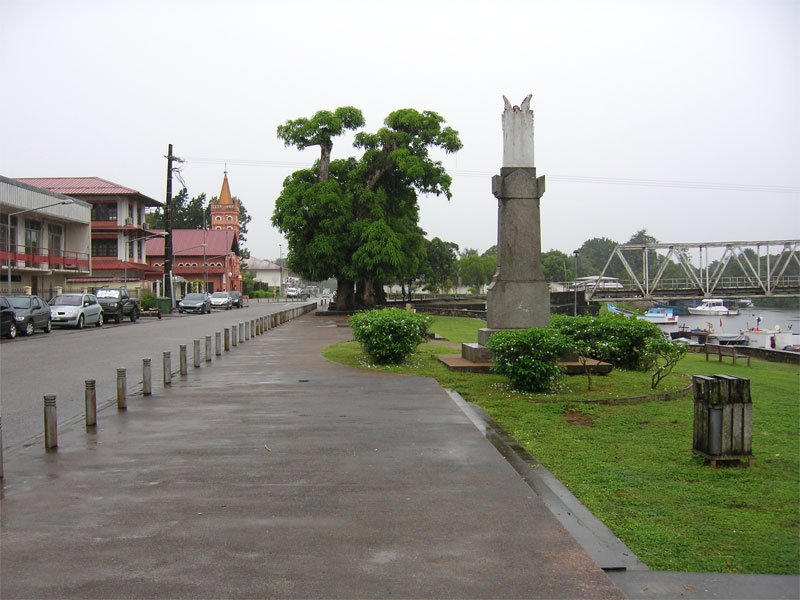
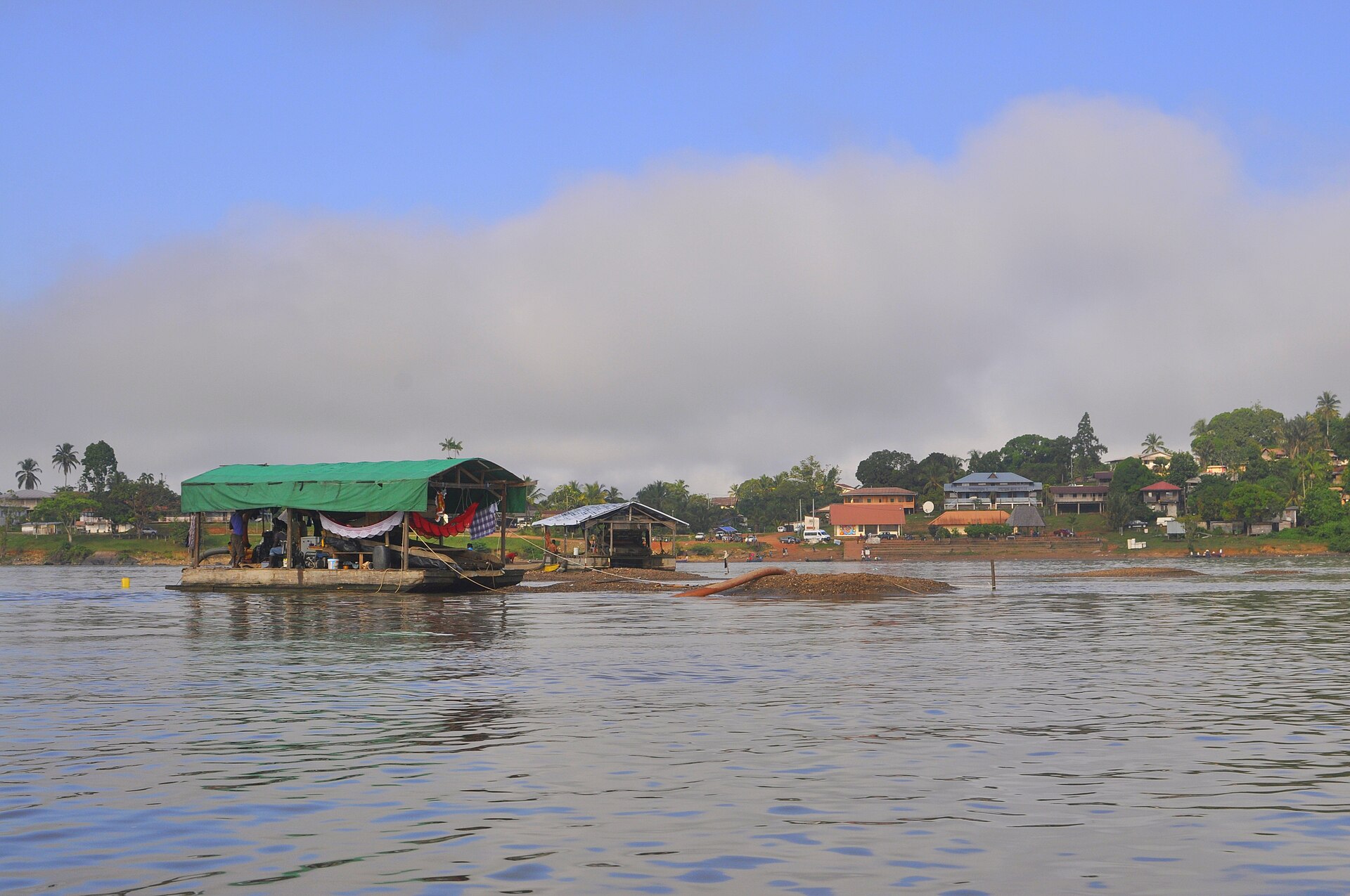
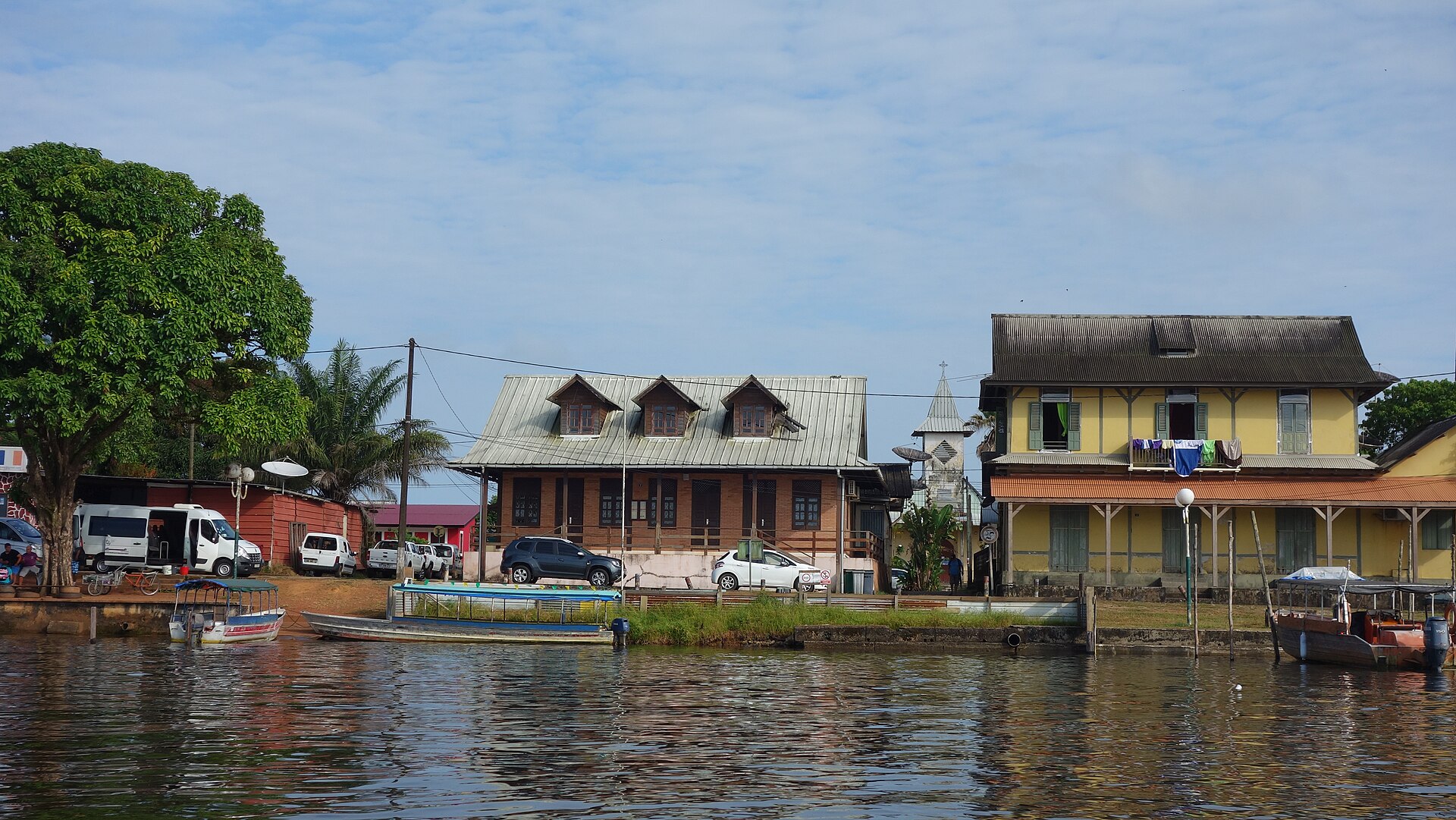
West along the coast, Saint-Laurent-du-Maroni was the penal colony's capital, where the convict ships landed; its prison camp is the best historical site in the territory, and the Maroni river beside it is the way into Maroon and Amerindian country, upstream to Maripasoula. At the river's mouth, the Kali'na village of Awala-Yalimapo has one of the world's great leatherback beaches, with the planned mission town of Mana behind it.
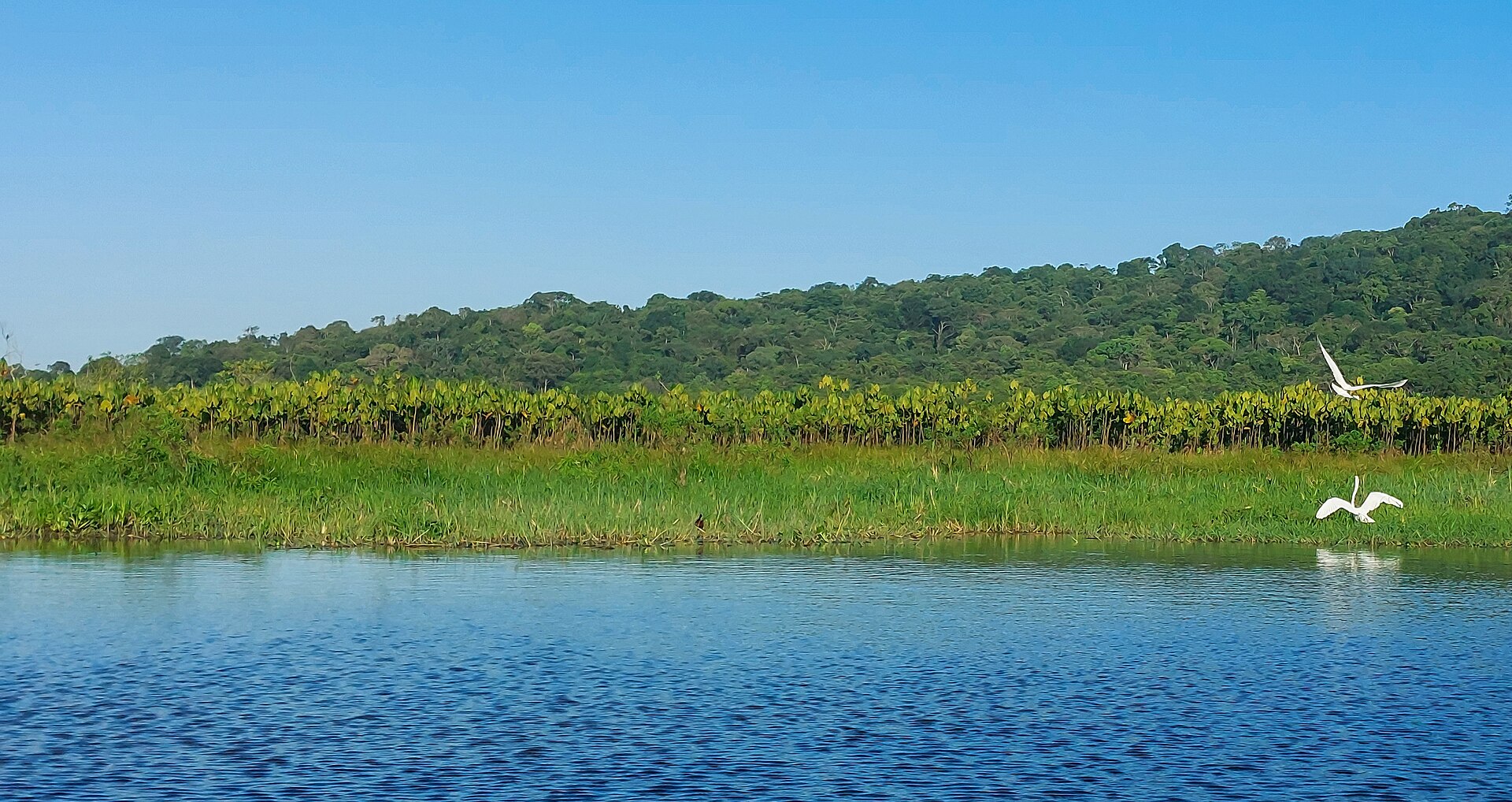
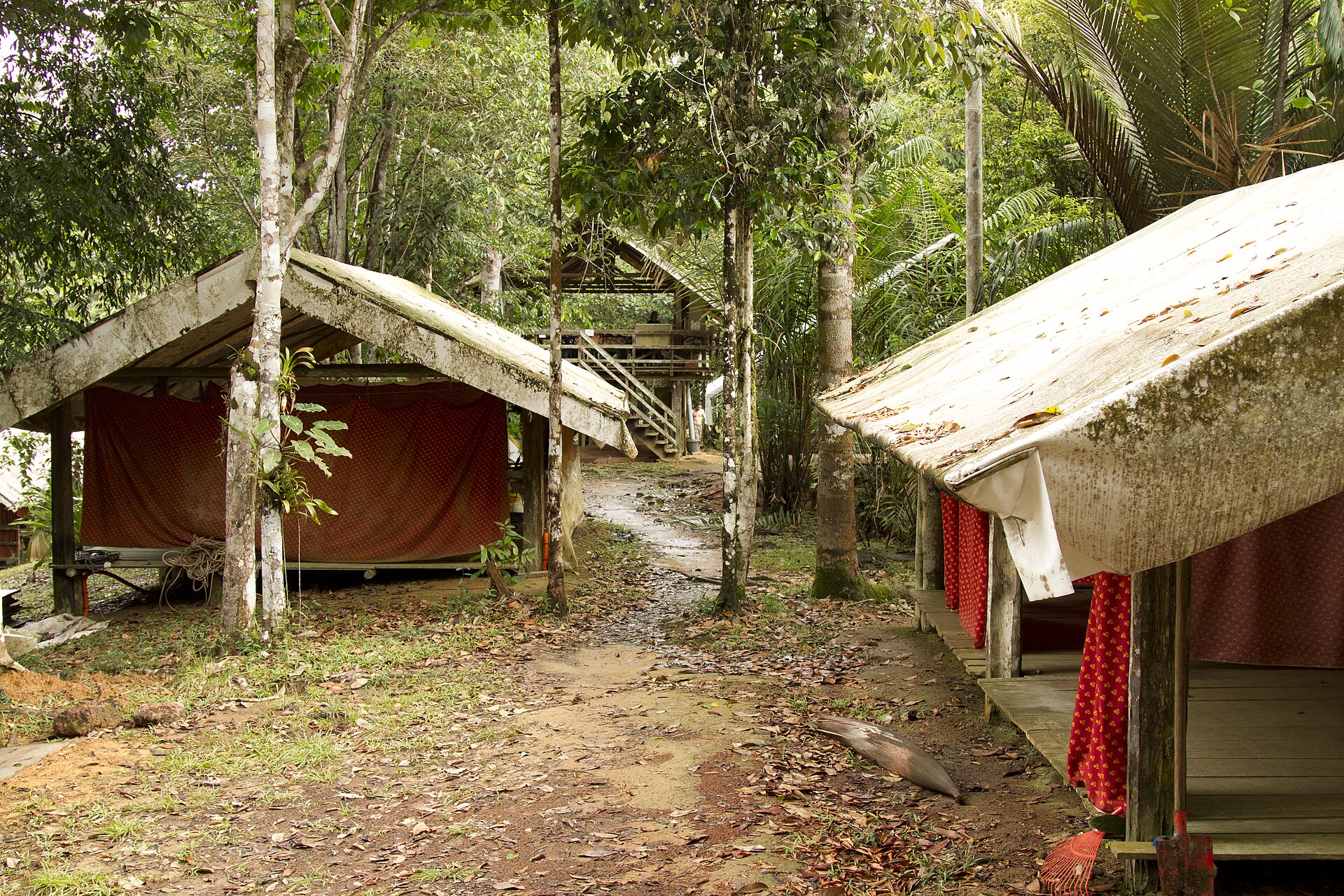
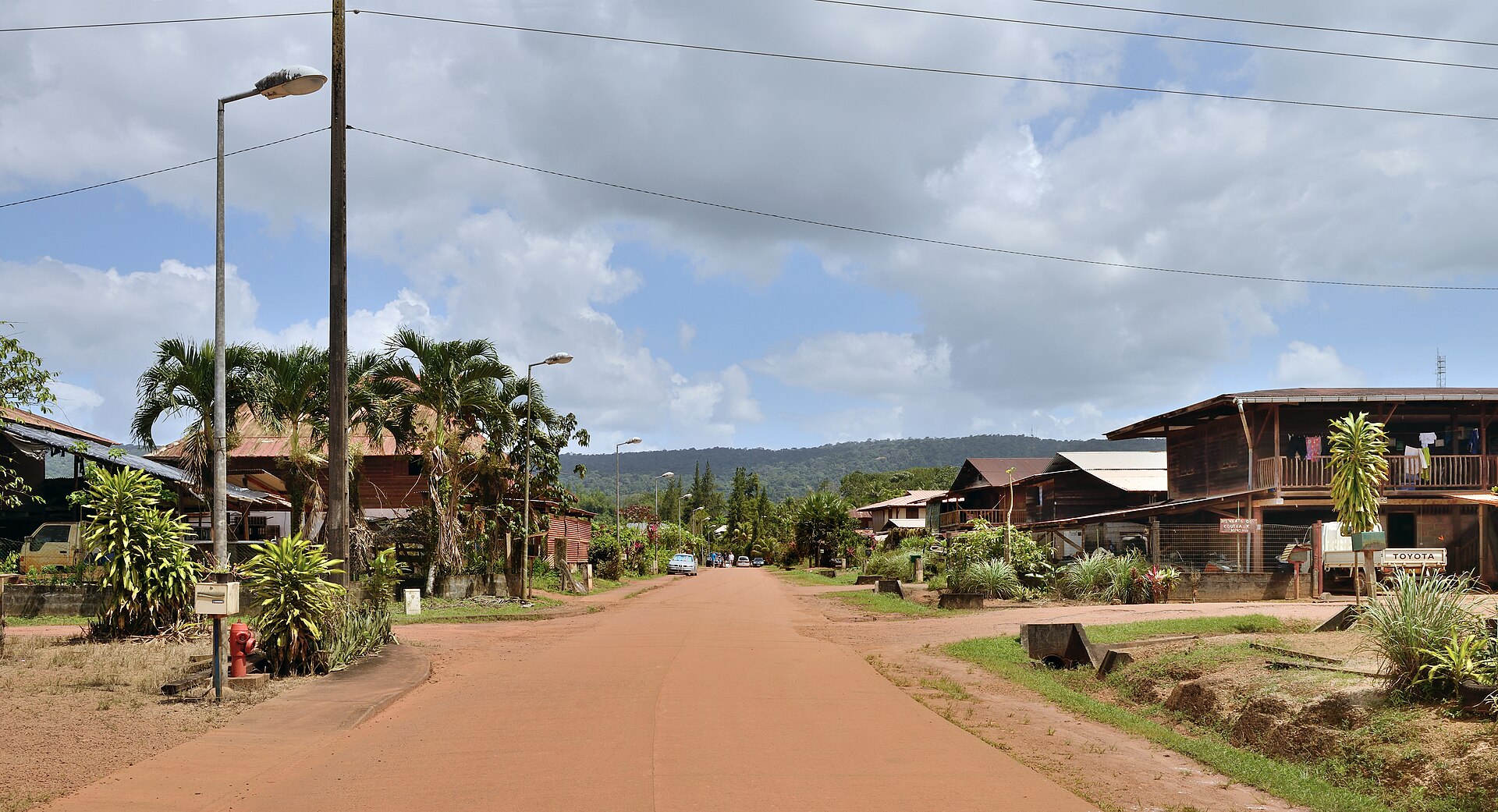
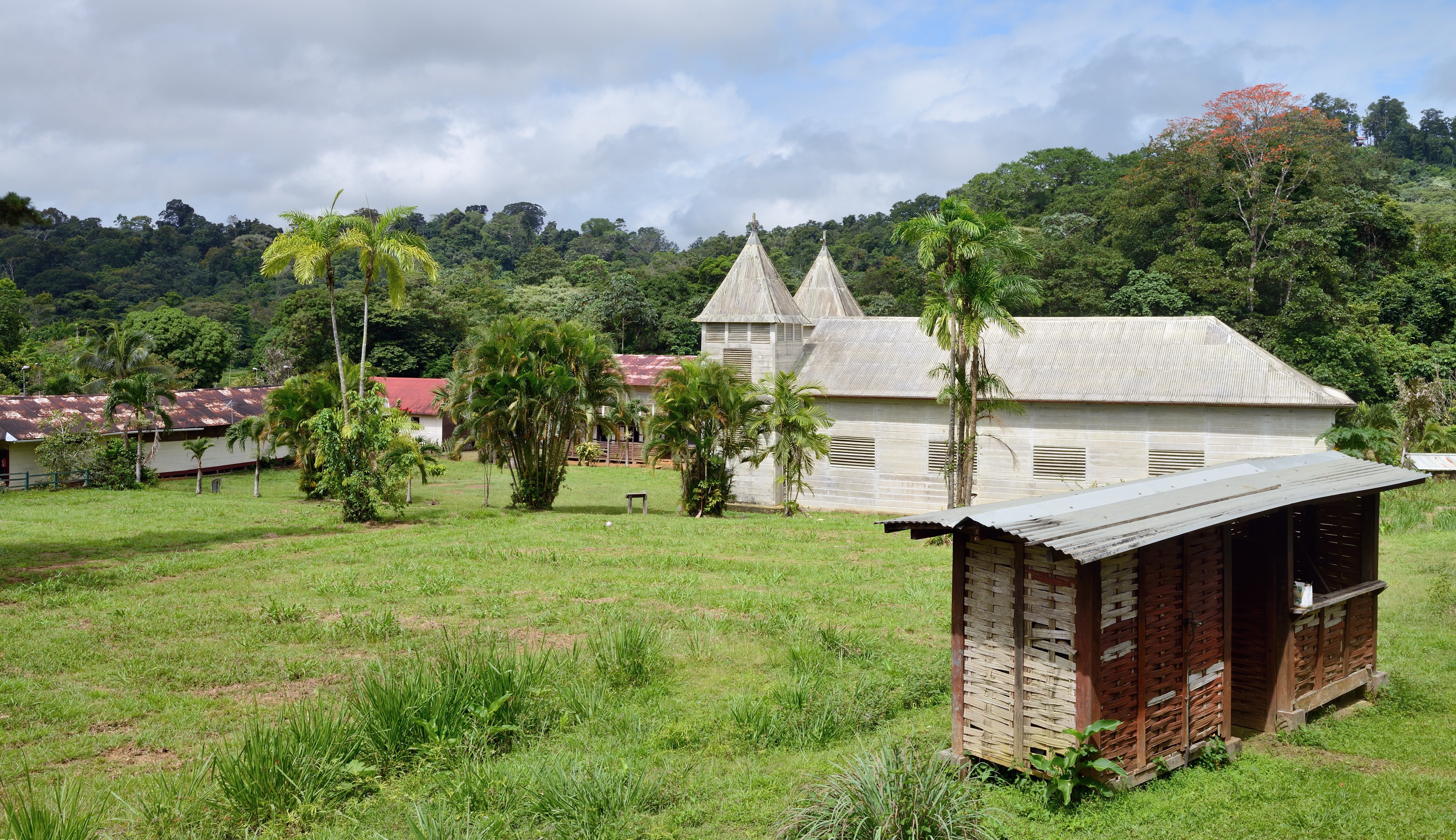
Inland and east, the road south from Roura climbs to the Marais de Kaw, a vast marsh where night boat trips find black caiman, and to the Hmong village of Cacao and its Sunday market of soup and embroidery; and Saint-Georges-de-l'Oyapock sits on the Brazilian border. In the forested interior, Saül is a village of a few hundred people with the best walking trails in the territory, and the Réserve des Nouragues protects rainforest that has been studied for decades around a granite inselberg.
French Guiana rewards travellers who come prepared for humidity, expense, and the particular pleasures of a place that genuinely doesn't care about tourism. Nothing here is cheap, distances are long, and the rain between December and June is serious — but a rocket launch, a night among caiman in the marshes and a walk in the forest at Saül are experiences you will not have anywhere else.