Pampatar
©
Pampatar

Pampatar

Colonial Margarita Island town built around a calm bay and 17th-century waterfront fortress.

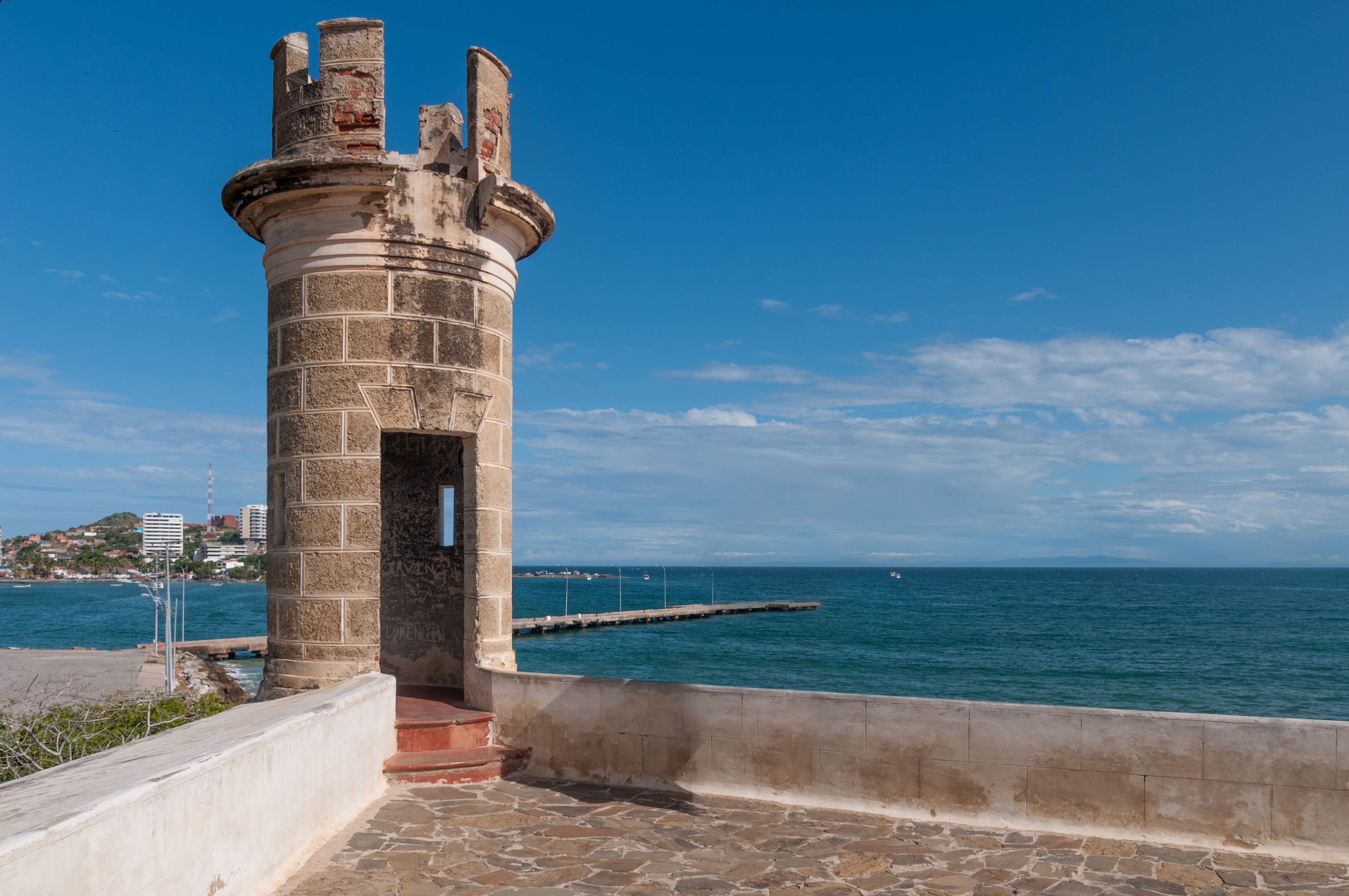
Pampatar is a colonial town on the east coast, founded in the 1530s and named after the Guaiqueri word for "town of salt" -- a salt flat mine still operates nearby. The town is built around a deep, calm bay where fishing boats and yachts sit side by side.

The Castillo de San Carlos de Borromeo dominates the waterfront, a well-preserved 17th-century fortress that saw action during the wars of independence. Behind the castle, the old town has narrow streets lined with colonial buildings, a few good restaurants, and a quieter atmosphere than nearby Porlamar. The bay itself is sheltered and waveless, good for a swim with children, and the small Iglesia del Santisimo Cristo del Buen Viaje and the Casa Amarilla round out the colonial centre.

Guide

Day Trips

Pampatar makes a good base for the eastern half of Margarita: the colonial capital of La Asunción, the fortress of Santa Rosa, and the basilica at El Valle del Espíritu Santo are all within twenty minutes by car.

La Asunción — the colonial capital of the island, with its 16th-century cathedral, the Santa Rosa de la Eminencia castle on the hill behind, and a quieter atmosphere than the seaside resort towns. The Matasiete battlefield, where the patriots stopped a royalist advance in 1817, is nearby.

El Valle del Espíritu Santo — home to the Basilica of Our Lady of the Valley, the patron of the eastern Caribbean fishermen and the destination of the largest religious pilgrimage on the island each September.

Cerro El Copey National Park — the island's highest mountain (985 m) and a national park of cloud forest reachable by a short paved road from El Valle. A clear day gives views all the way to the mainland.

Guide

Eating Out

Pampatar's restaurants line the malecón along the bay and run the local Caribbean spread: grilled fish, fried plantain, arepas, and rum. Lunch is the main meal; many places close in the early evening.

El Punto Criollo — straightforward Margariteño food on the waterfront, fresh fish (often pargo or mero) grilled or stewed with coconut, generous portions.

Cocina Caribeña — slightly more upmarket, with a terrace over the bay; the seafood platter is the dish to order, two people minimum.

Around the central square, several casual places serve empanadas de cazón (the local shark turnover) and breakfast arepas; they are cheap, fast, and the best meal of the day for a lot of visitors.

Guide

When to Go

Margarita is tropical and warm year-round, with daytime temperatures generally in the high 20s to low 30s°C and the sea around 26°C. The dry season runs from December through May and is the best time to visit — sunny days, lighter winds along the southern coast, and clearer water on the dive sites near Pampatar.

The rainy season (June to November) is warmer and more humid; rain tends to fall in heavy short showers in the late afternoon. Hurricanes do not strike Margarita directly, but the swell from distant Caribbean storms can affect the eastern beaches.

The political and economic situation in Venezuela has affected travel for years and continues to do so — check current advice, currency, and supply situation before booking, and plan to bring cash. Local festivals worth timing for include the Virgen del Valle pilgrimage in early September and the carnival celebrations in February.