Béchar
©
Béchar

Béchar

Southwestern Saharan city and logistics base for the oases and sand seas around Taghit.

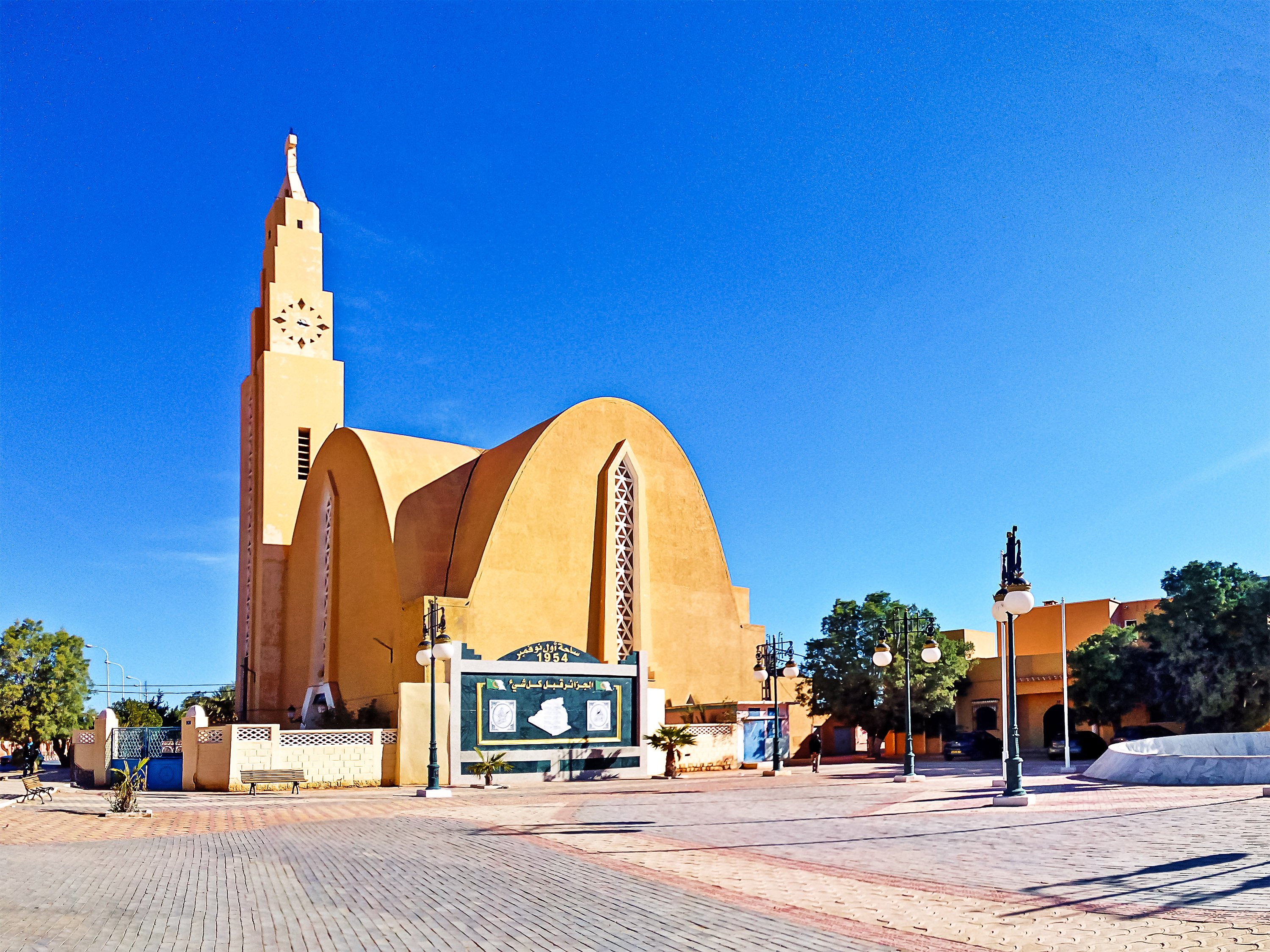
Béchar is the largest city in southwestern Algeria, a Saharan administrative centre that serves as the gateway to the oases and sand seas of the western desert. The city itself is functional rather than beautiful — a sprawl of concrete and wide boulevards built around an old French colonial core — but it is the natural base for visiting Taghit, one of Algeria's most spectacular oasis towns, about 90 kilometres to the south.

The town has a decent souk, a few colonial-era buildings, and the Béchar Museum, which holds archaeological finds from the surrounding region. The real reason to stop here is logistics — Béchar has the nearest airport (with flights to Algiers and Oran), hotels, and fuel for anyone exploring the western Saharan oases.

The railway from Oran to Béchar is one of Algeria's most scenic train journeys, crossing the High Plateaux and descending into the desert over several hours. The road south continues to Tindouf and, eventually, the Mauritanian border.

Guide

Day Trips

The reason most travellers come to Béchar is to push on south into the Saoura. Taghit, 90 km away on a paved road, is the spectacular dune oasis that pairs a palm grove and a ksar against the towering Erg Occidental — one of Algeria's most photogenic places and an easy day trip if you have transport.

Further out, Beni Abbès (another 250 km south) sits on the edge of the same dune sea and has the chapel-and-hermitage of the French priest Charles de Foucauld. The rock art of the Djebel Béchar and the Pinacles de Béchar — strange wind-eroded sandstone columns in the desert north of the city — can both be done as half-day excursions with a local guide.

Guide

Getting There

Béchar Boudghene Ben Ali Lotfi Airport (BEC), eight kilometres south of the city, has daily flights from Algiers (Air Algérie, roughly 2 hours) and several a week from Oran. The flight to Algiers is the only quick way in or out of southwestern Algeria.

By train, the line from Oran to Béchar — about 700 km — is one of the most scenic rail journeys in the country, crossing the High Plateaux before descending into the desert. The trip takes 12 to 14 hours and runs overnight in each direction. Bring water and warm clothes for the early-morning desert leg.

By road, the N6 from Oran to Béchar is paved the whole way; the road south continues to Taghit (90 km), Beni Abbès, and eventually Tindouf and the Mauritanian border. Travel south of Béchar may require a permit and a guide depending on the current security situation — check locally before setting out.

Guide

Things to Do

Béchar is a city to pass through rather than to linger in, but a half-day works for the Béchar Museum, the colonial old quarter with its arcaded boulevards, and the morning souk that draws traders from across the Saoura region. The real highlights are out of town: the dune oases of Taghit and Beni Abbès to the south, and the long, scenic train ride down from Oran across the High Plateaux.

Guide

When to Go

Béchar is at the edge of the Sahara and has a true desert climate: extreme heat in summer, mild winters, and very little rain. The realistic window for a visit is October to April, when daytime temperatures sit between 15 and 25 °C and the desert is comfortable to walk in. Nights are cold from December through February — well below freezing in the open desert.

From May through September, temperatures regularly exceed 40 °C in the city and 45 °C in the surrounding dunes; sandstorms (the chergui) blow in periodically from the east. Tourism more or less stops in the high-heat months.