Ghanzi
©
Ghanzi

Ghanzi

Central Kalahari ranching town, used as a gateway to San cultural walks and art centres.

Ghanzi is a small ranching town in the central Kalahari of Botswana, the kind of place where cattle outnumber people and the horizon is flat in every direction. The town itself is basic — a few shops, a fuel station, somewhere to eat — but it is the gateway to San (Bushman) cultural experiences that offer a window into one of the oldest continuous cultures on earth.

Several community-run lodges and campsites around Ghanzi offer guided walks with San trackers. Ghanzi Trail Blazers, about eight kilometres from town, is the most established: San guides demonstrate tracking skills, fire-making, and plant knowledge acquired over generations. The D'Kar settlement 35 kilometres to the north is a centre for San art; the Kuru D'Kar Museum and Cultural Centre has a working studio, gallery, and museum documenting San life, and sells original paintings and crafts at fair prices.

East of Ghanzi, the Central Kalahari Game Reserve — one of the largest wildlife reserves in the world — begins its vast, semi-arid sweep. Lions, cheetahs, and wild dogs roam the fossil river valleys. North of town, the remote Gcwihaba Caves (Drotsky's Caverns) contain spectacular stalactite formations and are on Botswana's UNESCO tentative list — reaching them requires a serious 4WD expedition.

Ghanzi sits on the A3 highway between Windhoek and Maun, making it a natural overnight stop on the long drive into the Okavango Delta region. The sunsets over the Kalahari bush are extraordinary.

Guide

Getting There

Ghanzi sits on the A3 highway, Botswana's main east-west route connecting Windhoek in Namibia with Maun and the Okavango Delta. It is about 350 kilometres from the Namibian border at Mamuno and roughly 270 kilometres from Maun. Most travellers arrive by car or overland bus — the Trans Kalahari Highway runs through town, making it a natural stop on the long drive in either direction.

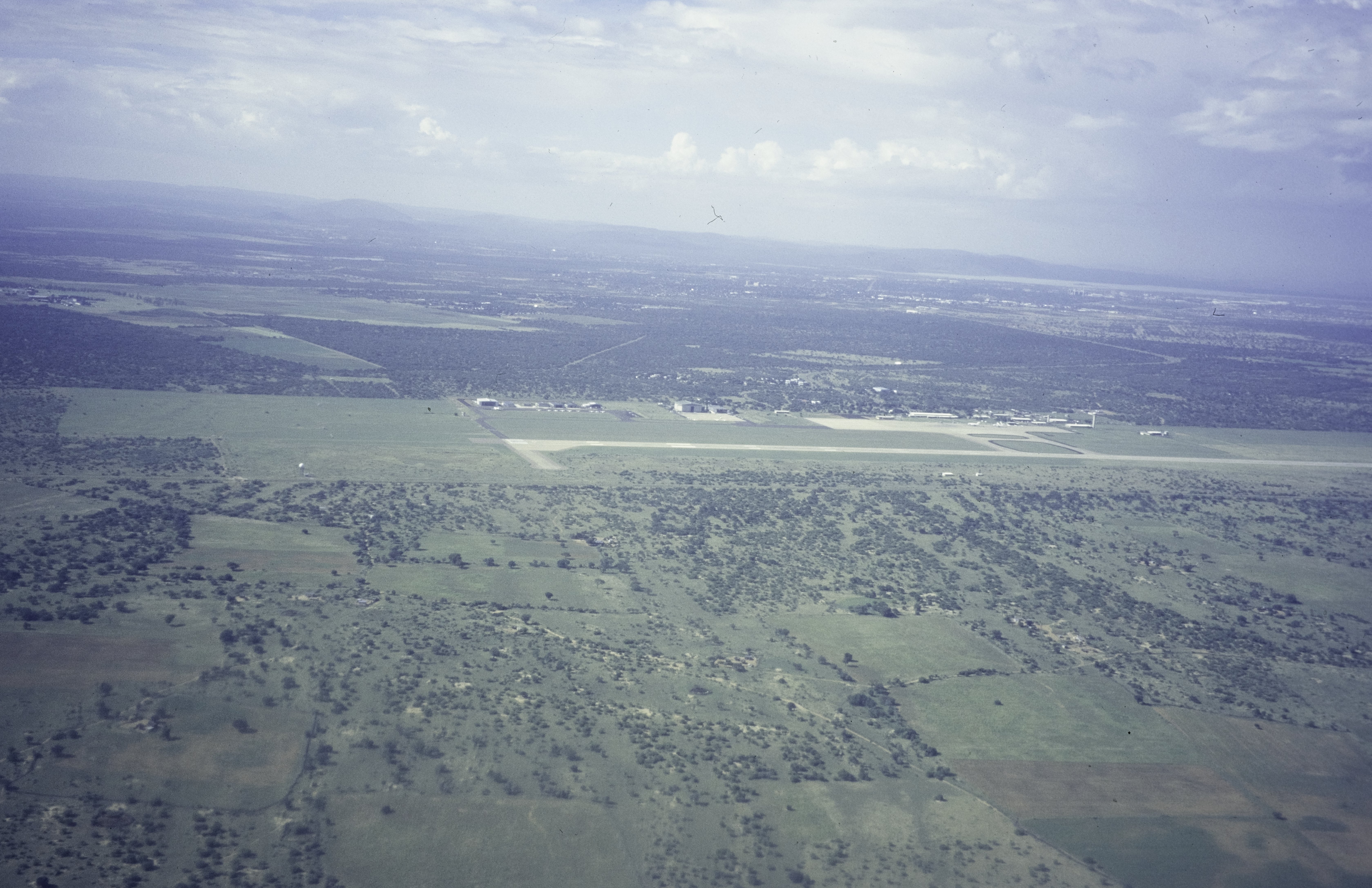
There is a small airstrip at Ghanzi used by charter flights, but no scheduled commercial services. The nearest airports with regular flights are Maun (connecting to Gaborone and Johannesburg) and Gaborone itself. By bus, cross-country services between Windhoek and Maun stop in Ghanzi.

Guide

When to Go

The Kalahari has two distinct seasons. The dry season (May to October) is the standard time to visit: cooler temperatures, clear skies, and wildlife concentrated around waterholes make game viewing easier. June and July nights can be cold — desert cold, the kind that requires a proper sleeping bag — but days are comfortable.

The green season (November to April) transforms the landscape. Rain turns the Kalahari's fossil river valleys vivid green, wildflowers appear across the plains, and the game reserve supports extraordinary numbers of antelope, drawing their predators with them. Roads inside the Central Kalahari become impassable after heavy rain, and some campsites close. August is the best month for the Kuru Traditional Dance and Music Festival at D'Kar — a compelling reason to time a visit.