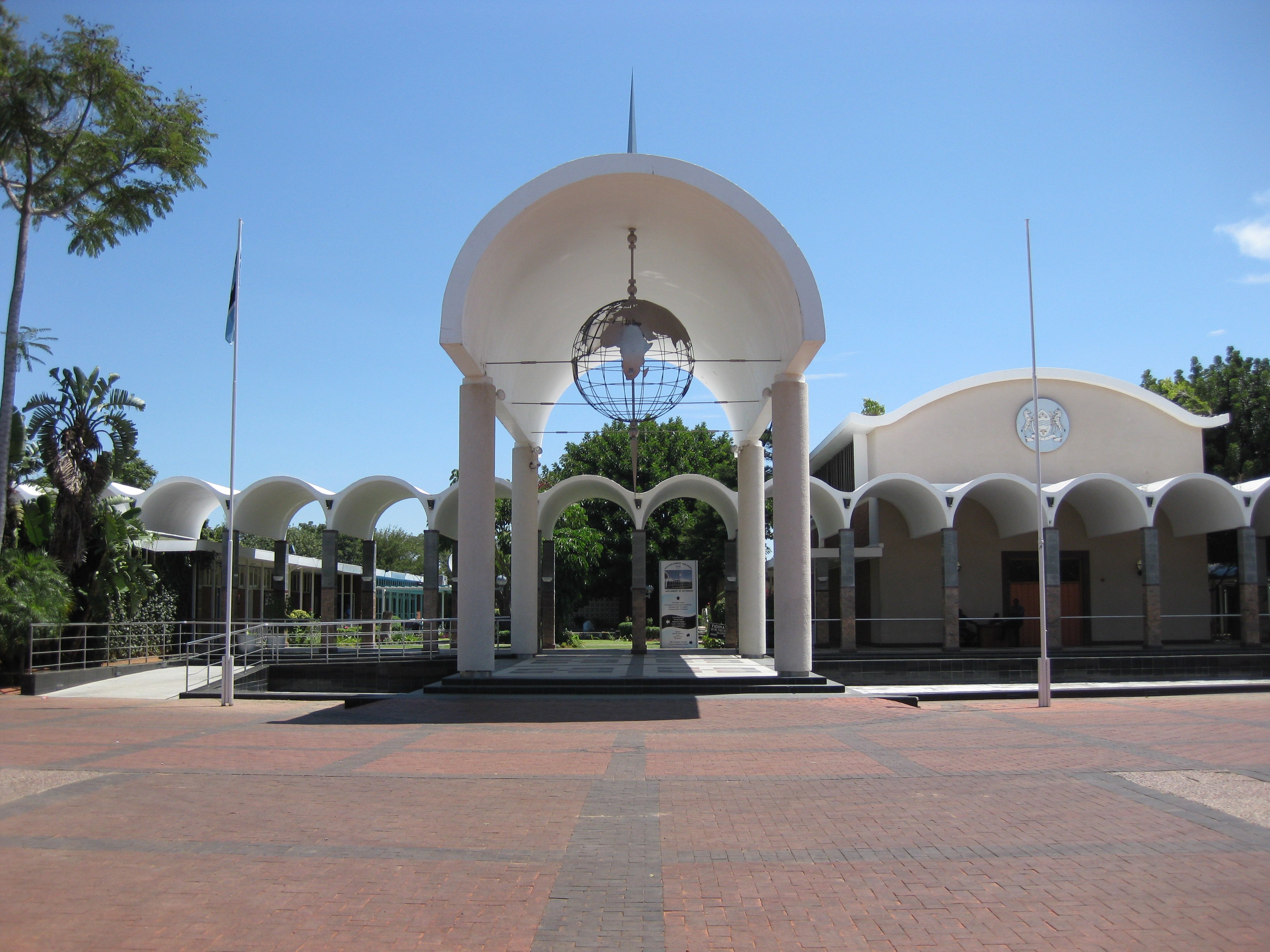
Gaborone is the capital of Botswana, a young city that grew rapidly after the country's independence from Britain in 1966. Named after Chief Gaborone, a 19th-century Tswana leader who settled here with his people, it has all the infrastructure of a modern capital — hotels, restaurants, cinemas, a casino, and good international connections — without the chaos of many African cities.
The city's most compelling sight is the Three Dikgosi Monument, a set of three 5.4-metre bronze statues in the Central Business District commemorating the chiefs who sailed to London in 1895 and talked the British into keeping their territory out of Cecil Rhodes's hands. The National Museum and Art Gallery on Independence Road holds good collections of traditional crafts and southern African fine art. Kgale Hill, at the western edge of the city, offers a half-day hike with fine views and reliable baboon encounters.
Gaborone works well as a base for wildlife. The Gaborone Game Reserve sits within the city limits, and Mokolodi Nature Reserve — 10 km south — has white rhino, giraffe, and leopard on 30 square kilometres of protected bush. Longer excursions reach the Okavango Delta and Chobe to the north, both among the greatest wildlife experiences in Africa.