Botswana is one of Africa's great wildlife destinations and one of its most expensive. This is deliberate -- the government has pursued a low-volume, high-value tourism policy that keeps the wild places genuinely wild. If you can afford it, or if you are willing to self-drive and camp, the reward is landscapes and animal encounters that feel like nowhere else on earth.
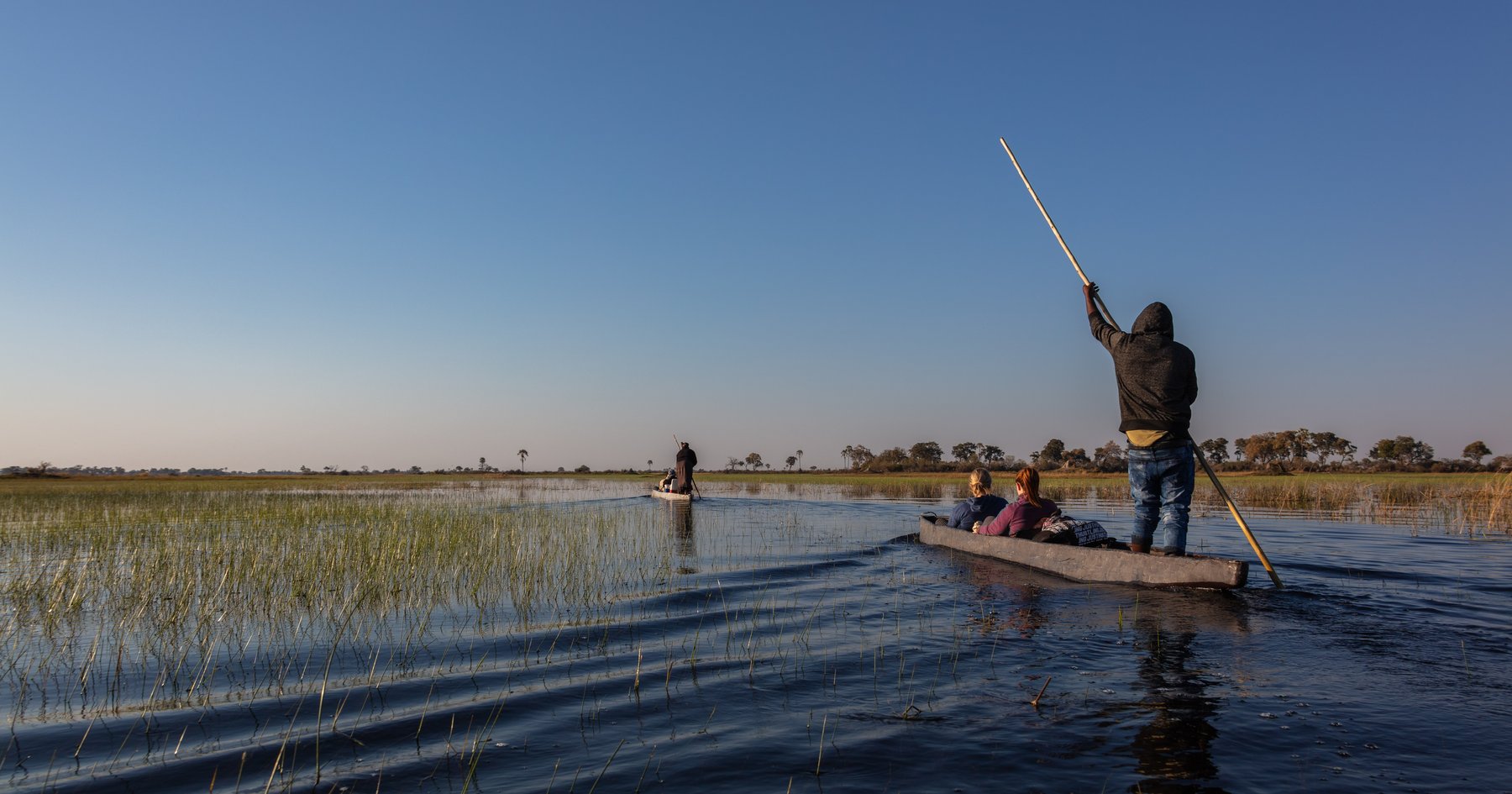
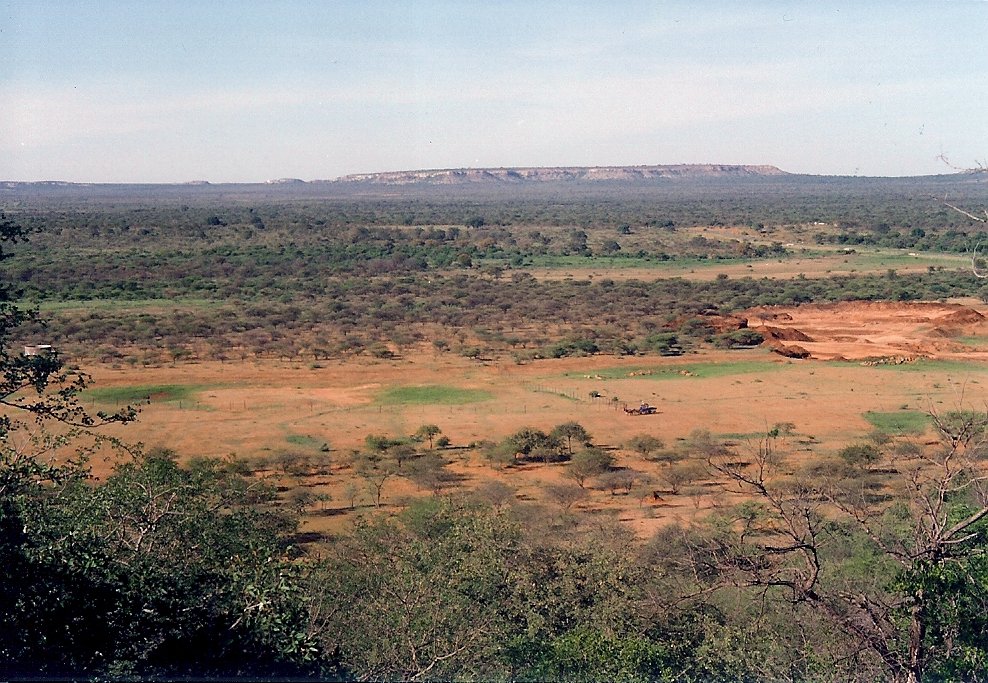
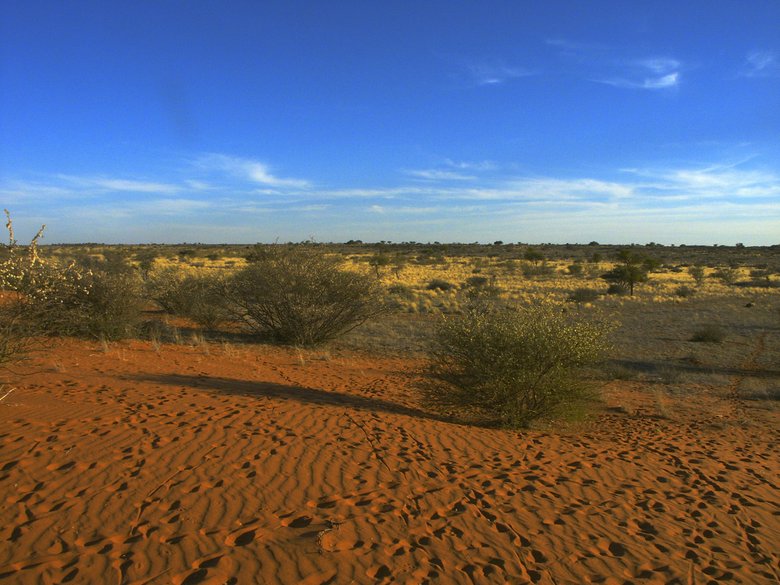
The country is dominated by two vast systems. The Kalahari Desert covers roughly 70% of the land, a semi-arid expanse of golden grasslands, salt pans, and surprising wildlife. In the northwest, the Okavango Delta spreads across 16,000 square kilometres of channels, lagoons, and palm-fringed islands -- one of the largest inland deltas in the world, and the main reason most visitors come.
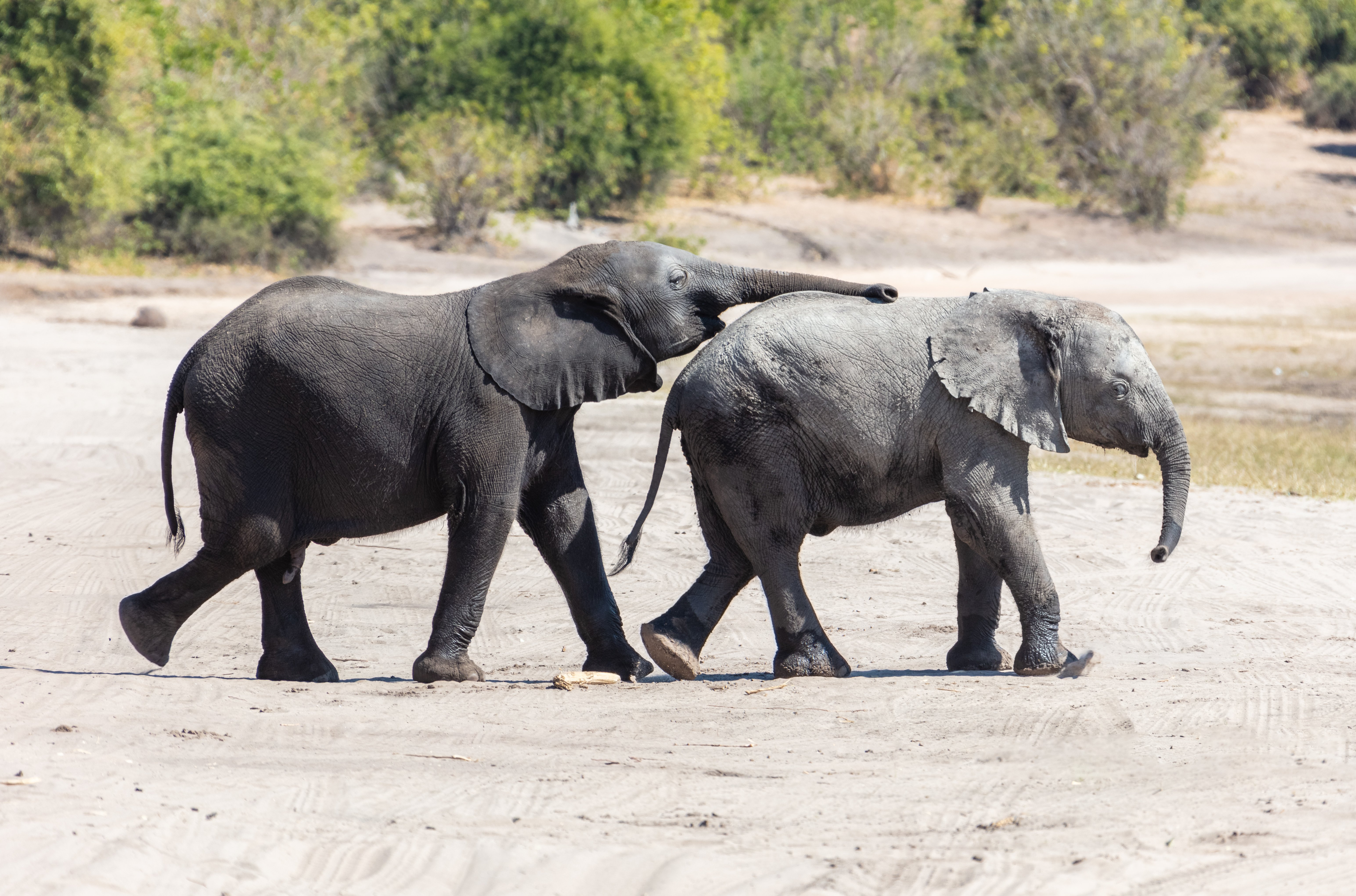
Between and around these two anchors lie some of Africa's finest game areas. Chobe National Park in the north has the continent's largest elephant population -- you will see hundreds at a time along the Chobe River. The Savuti Channel, between the delta and Chobe, is legendary big-game country. Linyanti, just northwest of Savuti and off the main tourist track, is arguably the most beautiful corner of Botswana. South of Maun, the Makgadikgadi Pans stretch to the horizon -- alien, lunar landscapes that fill with water and flamingos after the rains.
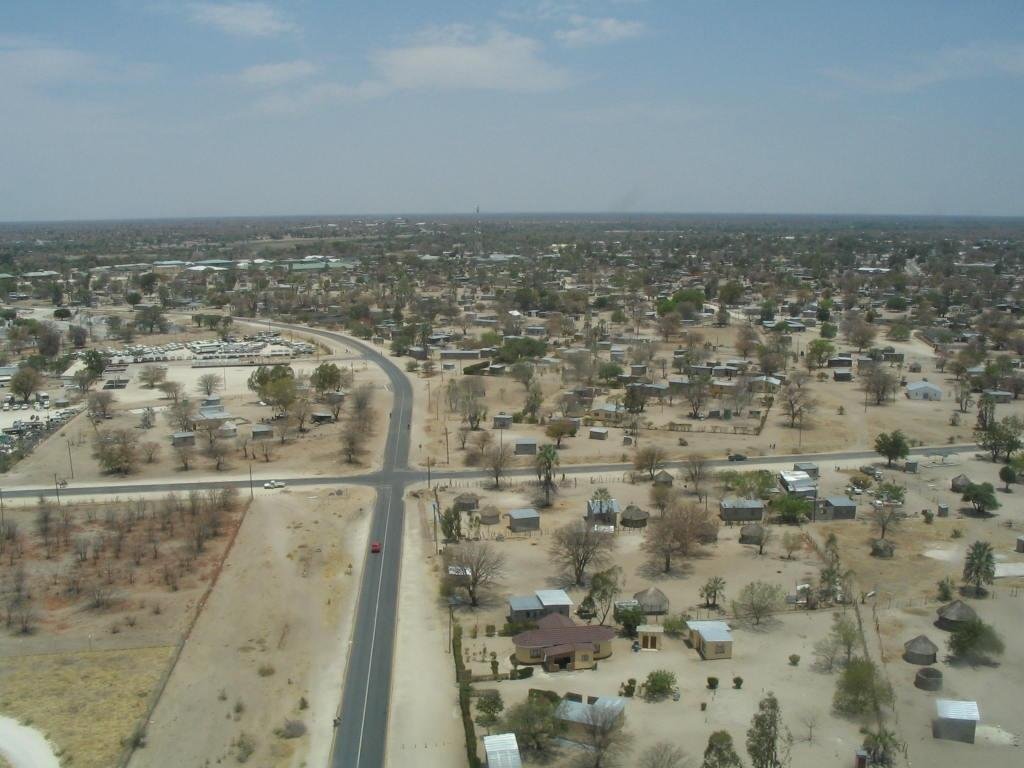
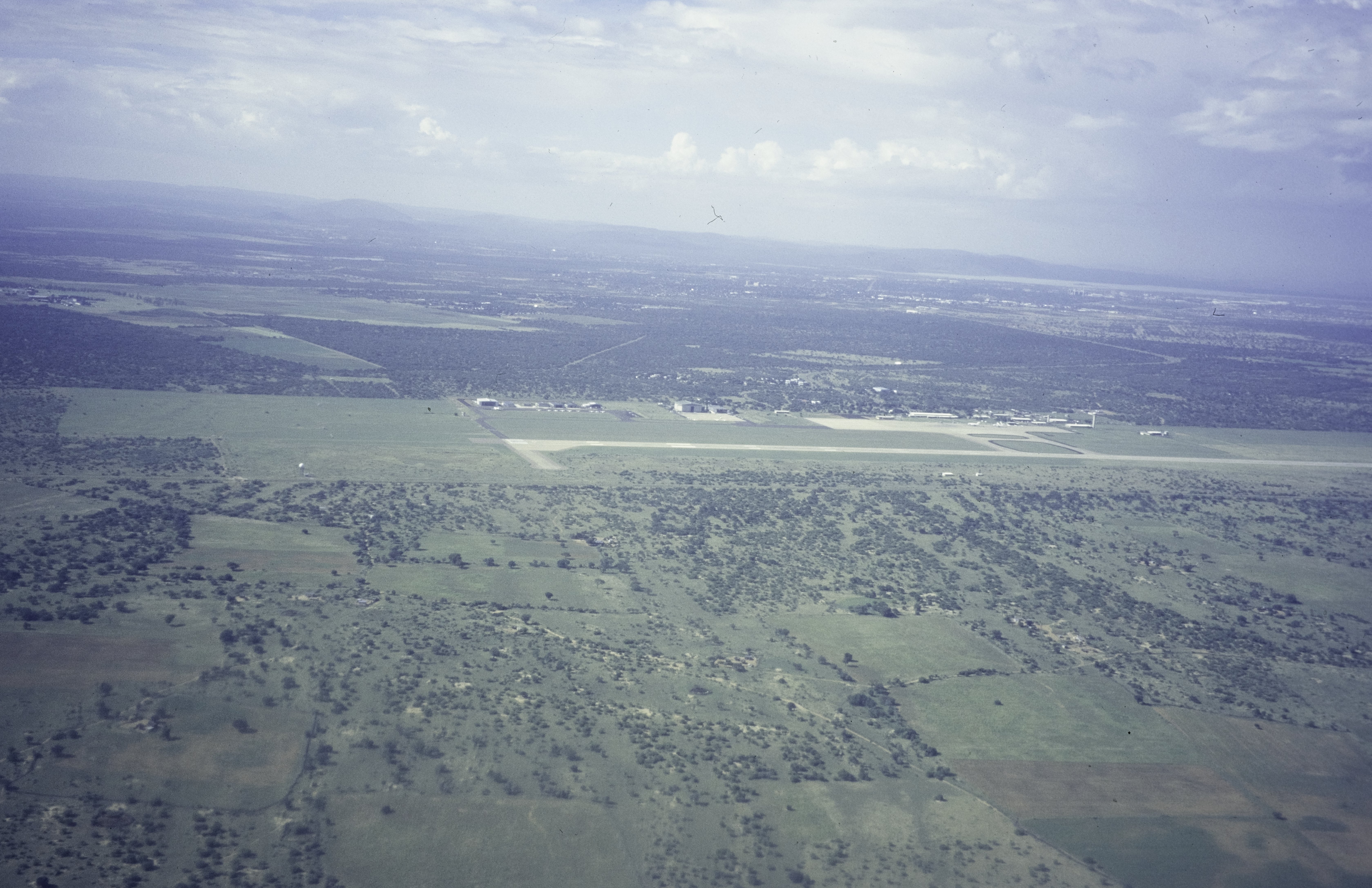
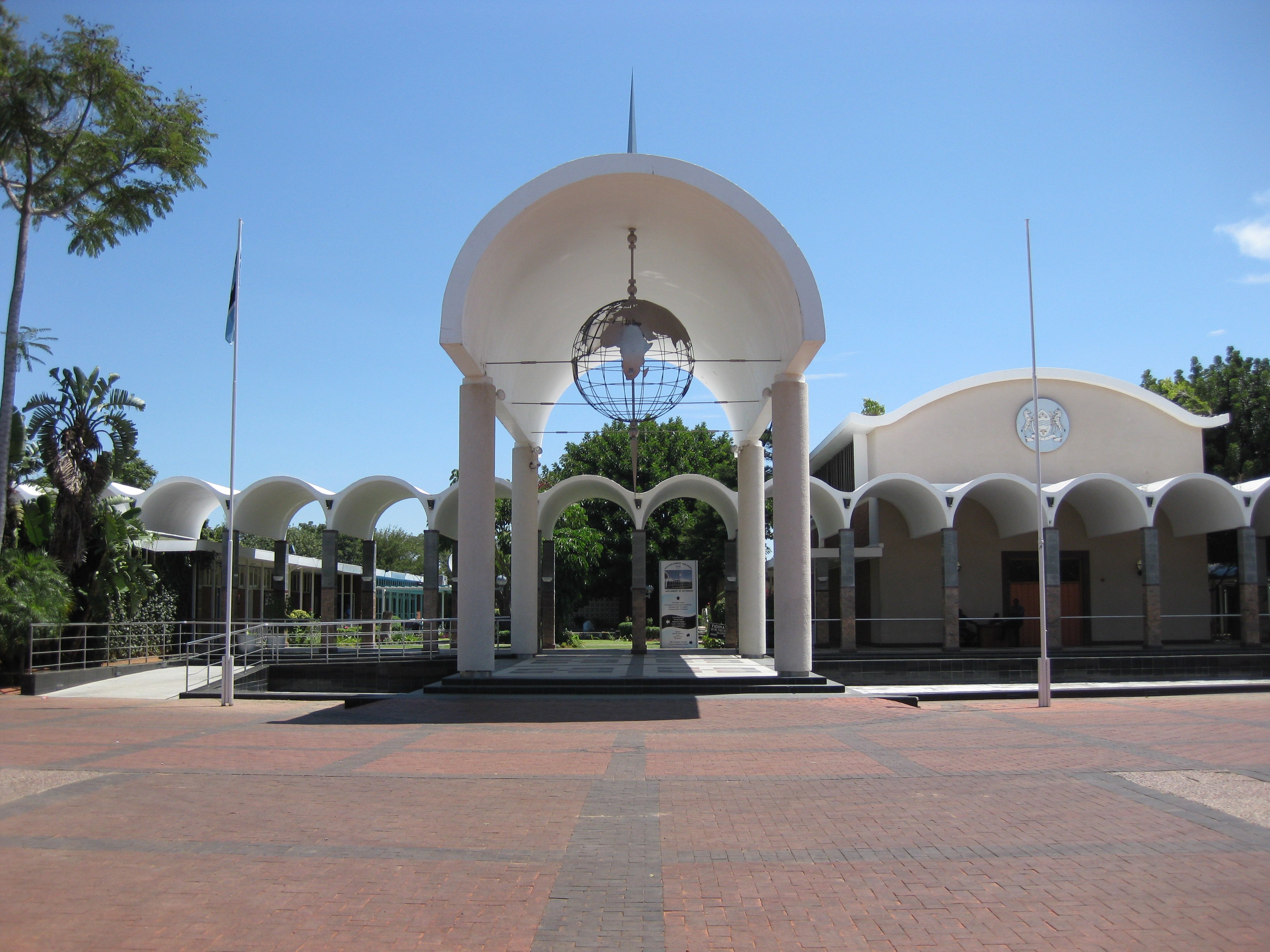
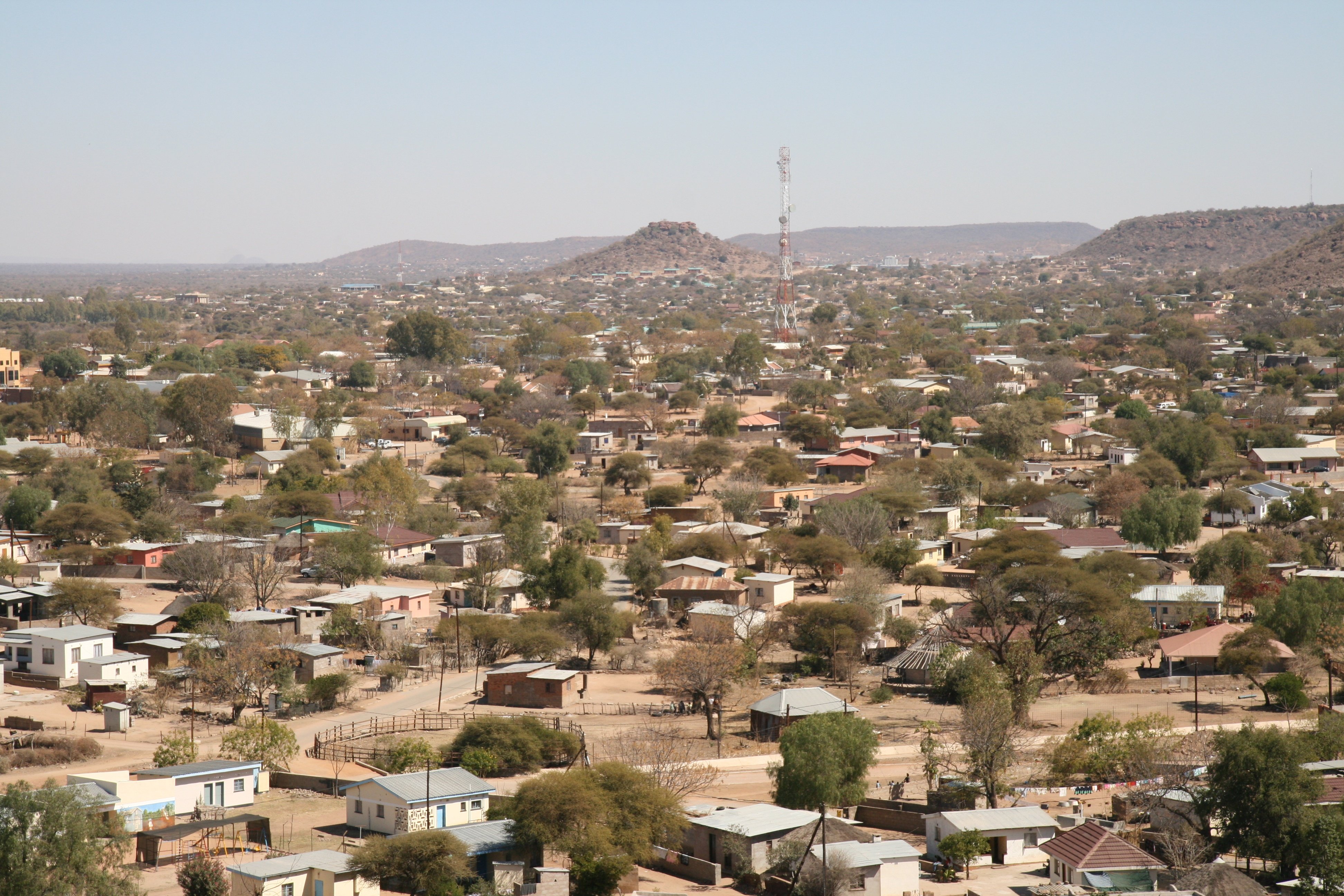
Gaborone, the capital, sits in the southeast where most of the population lives. It is a modern, functional city but not really the reason to visit. Francistown, the second city, serves as a gateway to the north. Maun is the real tourist hub -- the jumping-off point for delta flights, mokoro trips, and mobile safaris.
Botswana is a stable democracy with low corruption and a well-managed economy built on diamonds. The infrastructure along major routes is good. Off the tarmac, you need a 4x4, supplies, and confidence. The wild areas are genuinely remote. That is the point.