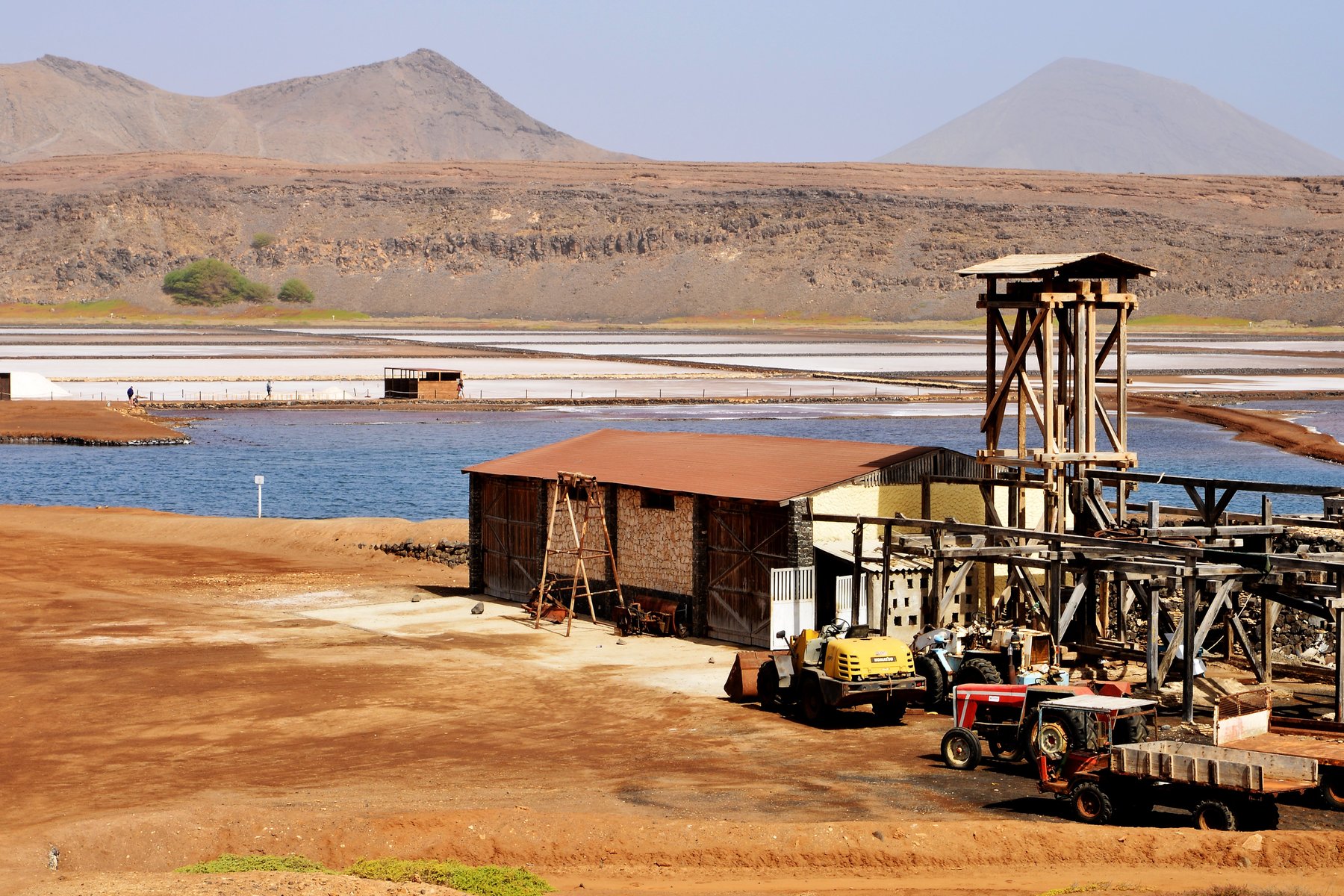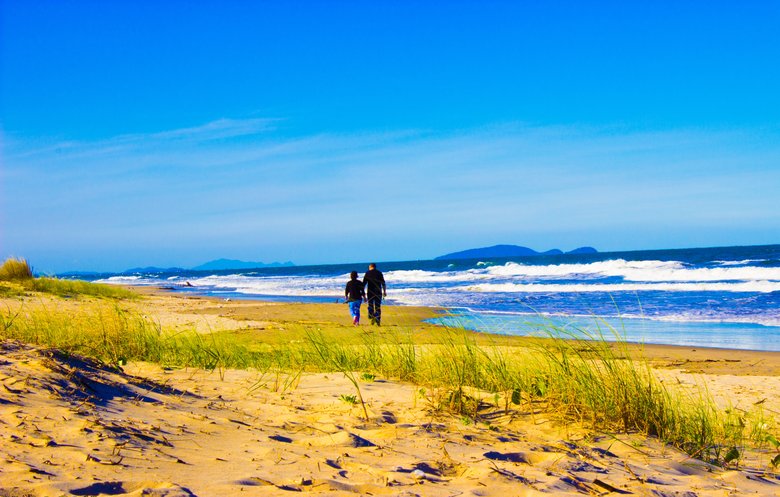
Cape Verde is an archipelago of ten volcanic islands scattered in the Atlantic Ocean, 500 kilometers off the west coast of Africa. It is a place where African warmth meets Portuguese colonial history, where music drifts out of every bar, and where the landscape shifts from Saharan desert to lush green valleys in the space of a short ferry ride. The Cape Verdeans call their particular brand of longing sodade -- a cousin of Portuguese saudade -- and you will hear it in every note of the morna music that Cesaria Evora made famous.
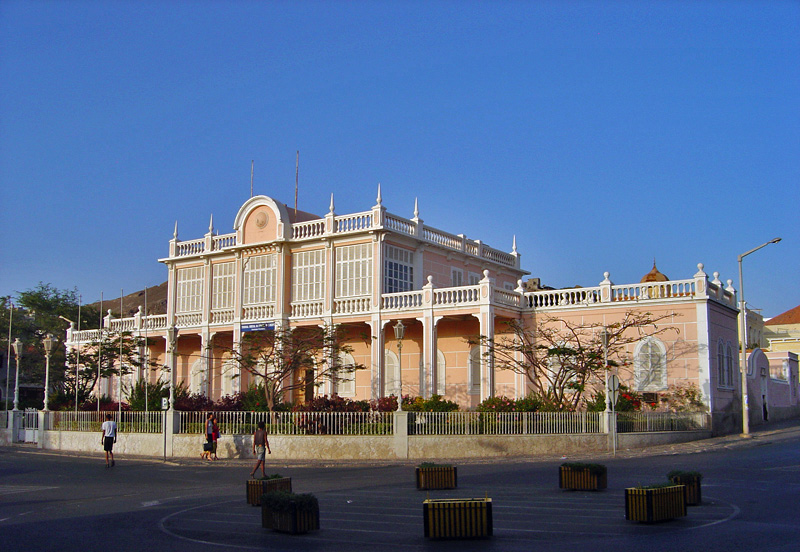
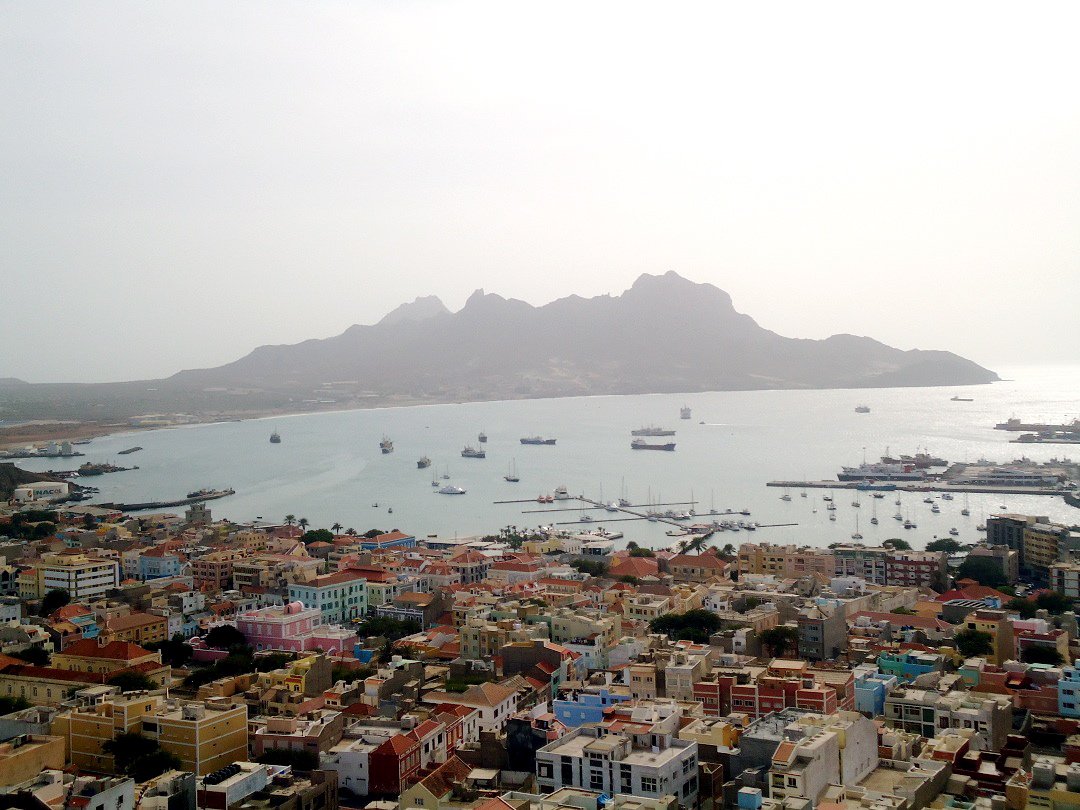
The islands divide into two groups. The Barlavento (windward) islands in the north include Sal and Boa Vista, the flat, sun-blasted beach islands where most package tourists land. Santo Antao is the hikers' island, with dramatic green valleys and terraced mountainsides. Sao Vicente is small but culturally mighty -- its capital Mindelo is the music capital of Cape Verde, with live music every night and a carnival that rivals anything in Brazil.
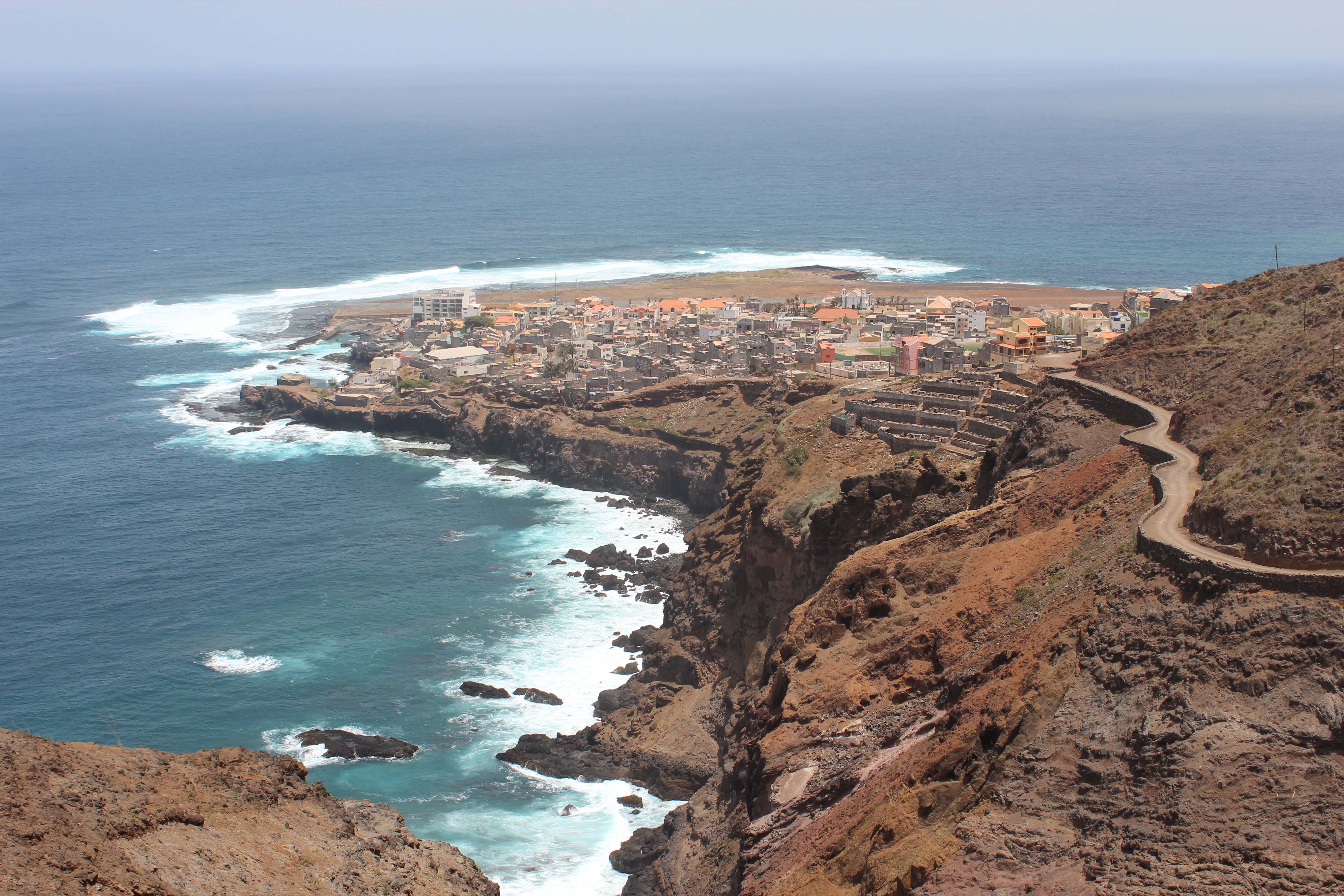
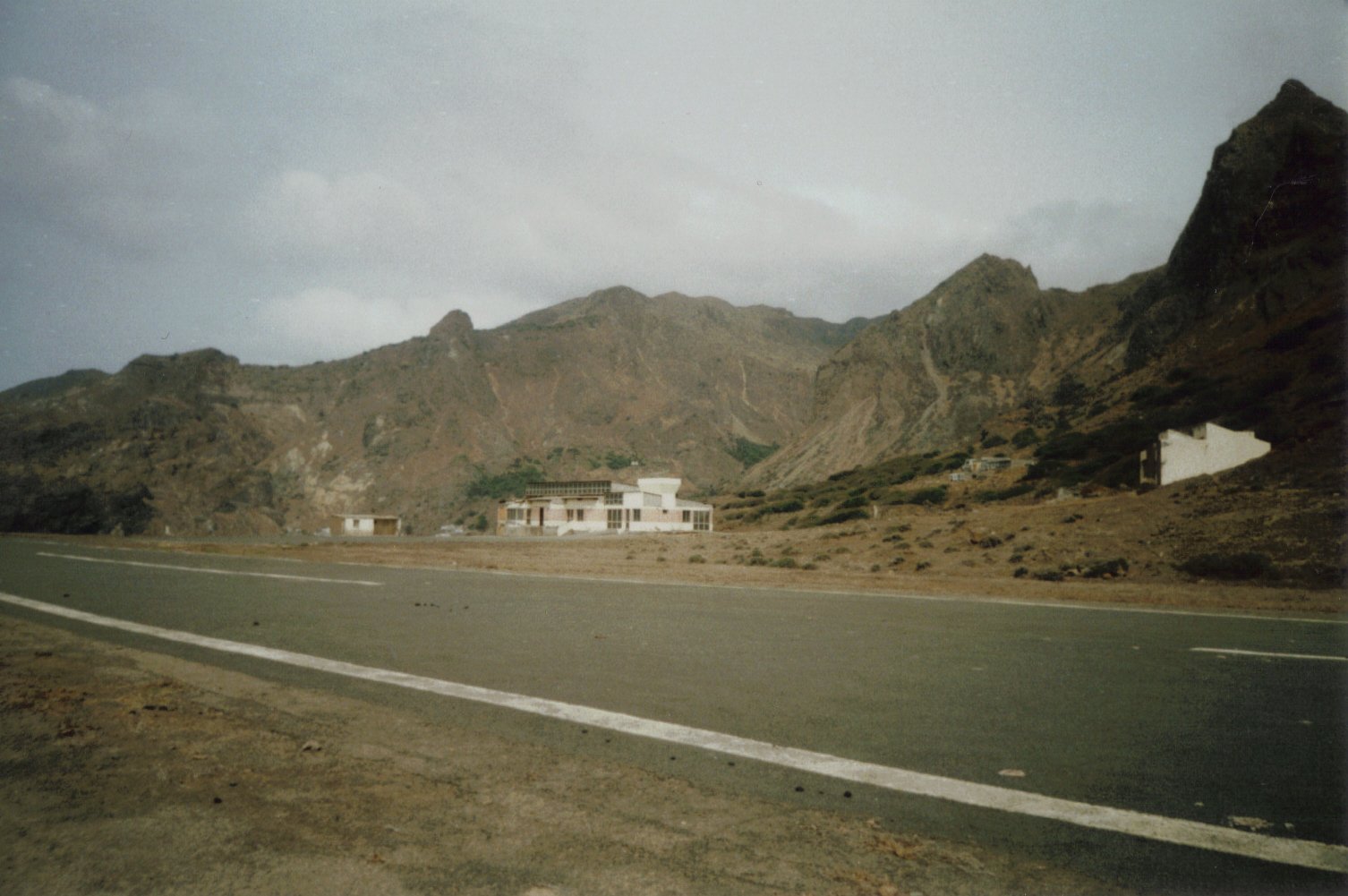
The Sotavento (leeward) islands to the south are anchored by Santiago, the largest and most African of the islands. The capital Praia is a real city -- sprawling, chaotic, and full of life. Nearby Cidade Velha, the first European settlement in the tropics, is a UNESCO World Heritage Site. Fogo is dominated by its 2,829-meter volcano, still active, with vineyards growing in the caldera. Tiny Brava, the smallest inhabited island, is a flower-covered speck reachable only by boat.
Cape Verde is not a cheap destination, and the infrastructure can be rough. Inter-island transport is unreliable -- flights get cancelled, ferries run late. But the people are extraordinarily welcoming, the music is world-class, and the islands reward travelers who slow down and take things as they come. This is not a place to rush through. It is a place to sit in a bar in Mindelo, listen to a singer pour her heart into a morna, and let the wind do the rest.