Larabanga
©
Larabanga

Larabanga

Northern Ghana village known for Larabanga Mosque, a whitewashed Sudanese-style landmark near Mole National Park

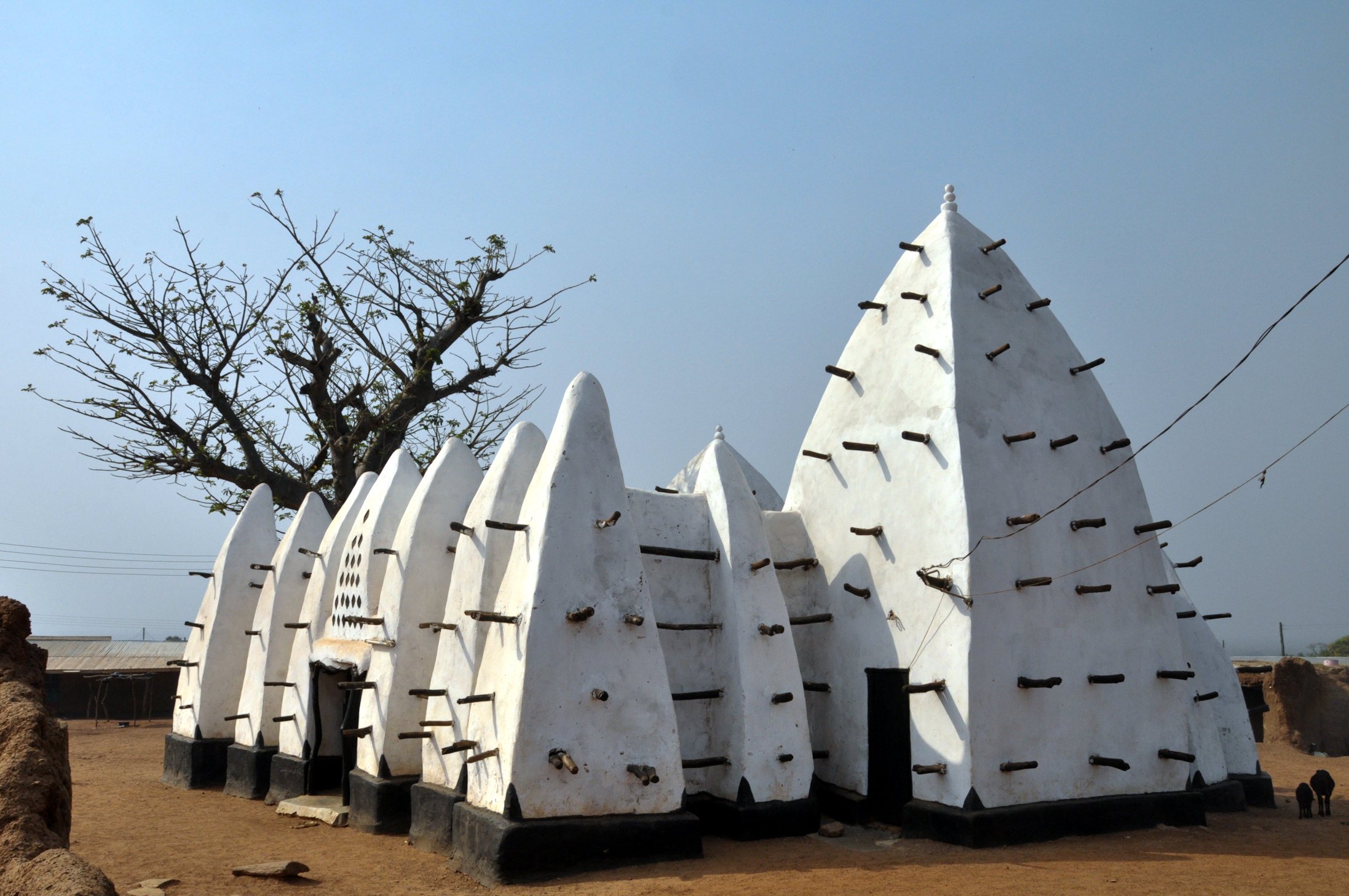
Larabanga is a small village in the Northern Region of Ghana, best known for its mosque — a whitewashed Sudanese-style building that is one of the oldest mosques in West Africa, dating to at least the seventeenth century and possibly much earlier. The Larabanga Mosque is a UNESCO tentative list site and the most significant piece of vernacular architecture in Ghana.

The village sits on the road between Tamale and Mole National Park, making it a natural stop on the way to or from the park. A local guide from the village will show you the mosque and the mystic stone, a boulder in the village centre that is part of local legend.

Guide

Getting There

Larabanga sits on the main road between Tamale and Wa, roughly 200 km northwest of Tamale. You can reach it by taking the STC bus from Tamale towards Wa and asking to be dropped at Larabanga — the driver will know it. Damongo, 23 km to the north, is served by shared taxis from Tamale; from Damongo you can get a tro-tro or shared taxi to Larabanga.

From Mole National Park the village is about 4 km — the park entrance road passes through Larabanga, which means most visitors fold the mosque and Mystic Stone into a Mole visit rather than treating Larabanga as a standalone destination. If you are headed to Mole, a stop here adds two hours at most and is worth every minute of them.

Guide

Things to Do

Larabanga is a small village on the road between Tamale and Mole National Park, and most travellers stop here for a few hours rather than overnight. That is enough time: the village has two genuinely significant sites — an ancient mosque and a legendary stone — and a guide from the village will make sure you see both properly.

The village is modest and the visit is brief, but the mosque alone justifies the stop. It is one of the most important historical buildings in West Africa.