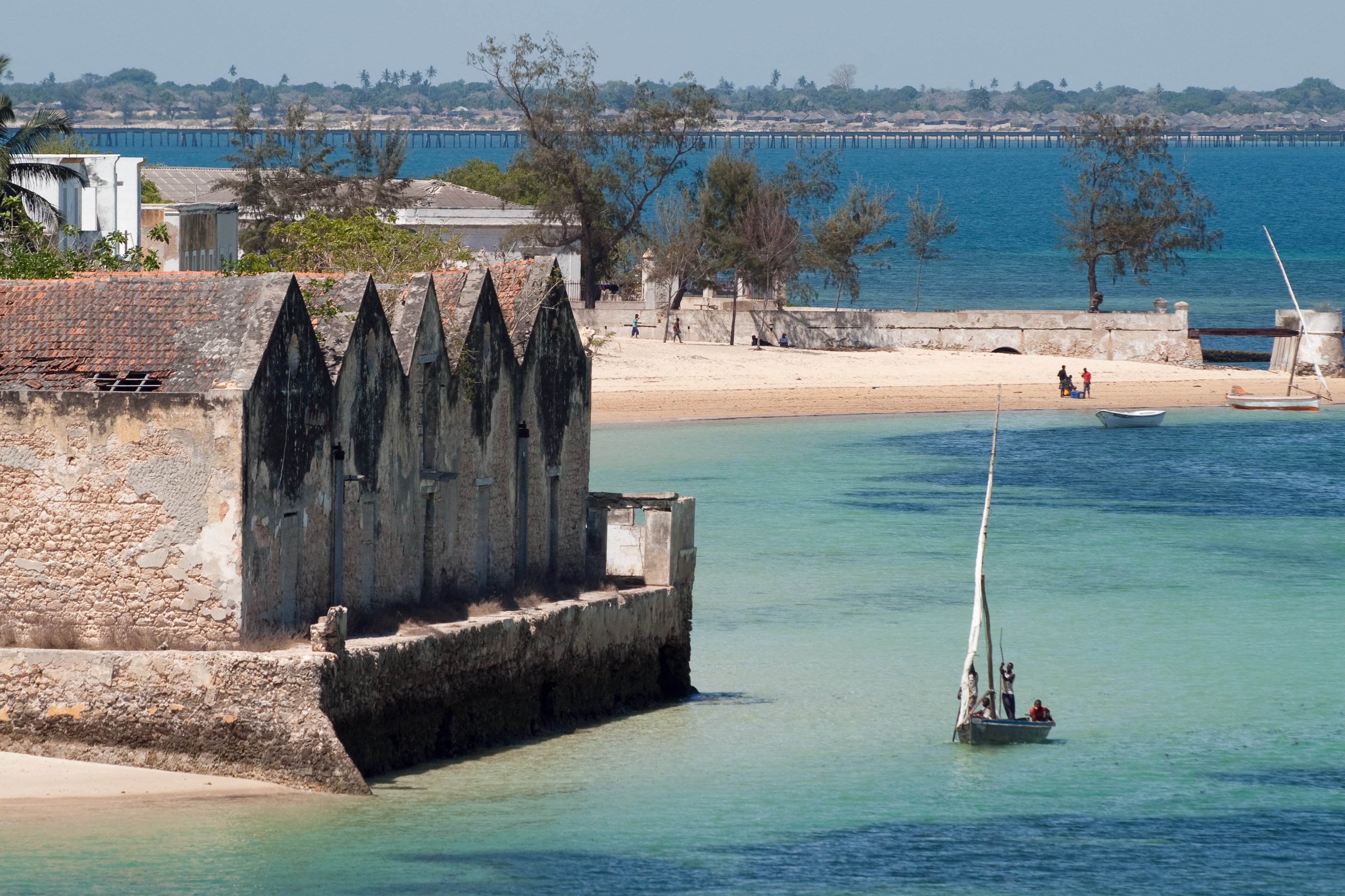
Mozambique Island
©
Mozambique Island

Mozambique Island

Coral island former capital of Portuguese East Africa, dense with forts, mosques, churches, and Swahili coast memory.

Mozambique Island is one of the great historic places of the Indian Ocean. This narrow coral island was the capital of Portuguese East Africa before Maputo, but its deeper story is Swahili, Arab, Indian, and African as much as Portuguese. The result is a dense, weathered town where coral-stone mansions, mosques, churches, and forts sit within a few walkable kilometres.

The north end, Stone Town, holds the grand colonial architecture: the Fortress of São Sebastião, the Chapel of Nossa Senhora de Baluarte, and the old governor's palace. The south end is Macuti Town, built more from palm, coral rag, and daily island life than from monuments. You need both halves to understand the place.

This is not a polished beach island. Buildings crumble, services are basic, and the heat can be heavy. But for travellers who care about history and atmosphere, Mozambique Island is essential: small enough to cross on foot, layered enough to occupy several days, and unlike anywhere else in the country.

Guide

Getting There

Most travellers reach Mozambique Island from Nampula, the nearest major city with an airport and rail connections. The road journey to the island usually takes three to four hours depending on traffic and stops.

The island is connected to the mainland by a narrow bridge, so arrival is by road rather than ferry. Chapas and private transfers run via Monapo and Lumbo; a private car is more comfortable if you are carrying luggage or arriving late.

Guide

Things to Do

Mozambique Island is best explored slowly on foot. The headline sights are clustered in Stone Town, but the island's real power comes from moving between fortress walls, ruined mansions, working mosques, churches, sea walls, and the lived-in streets of Macuti Town.

Guide

When to Go

The dry season from May to October is the most comfortable time to visit, with lower humidity and more reliable road conditions. June to August can be especially pleasant by northern Mozambique standards.

The wet season, November to April, is hotter and heavier, with cyclone risk along the coast. If you visit then, build slack into transport plans and expect sudden downpours.