Central Mozambican national park where floodplains, lions, and long-term restoration tell a rare comeback story.
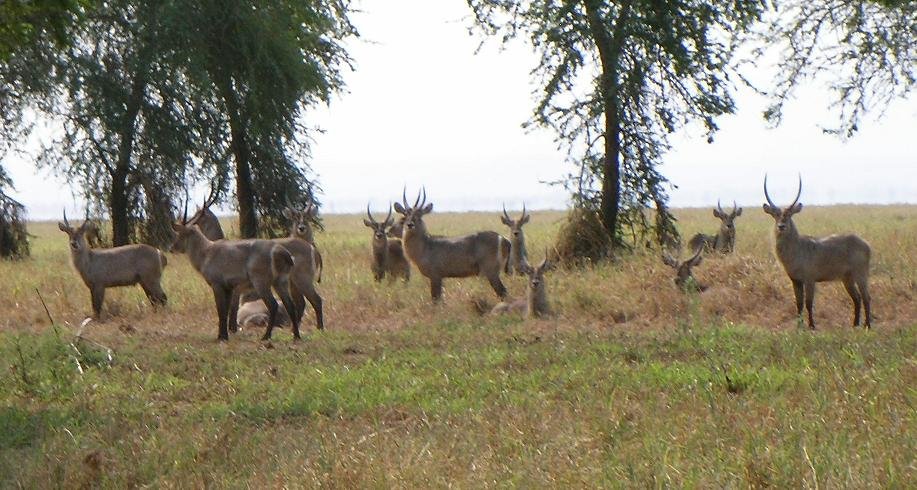
Gorongosa National Park is one of Africa's great restoration stories. Wildlife was devastated during Mozambique's civil war, but the park has spent decades bringing back buffalo, elephant, lion, hippo, waterbuck, and the ecological balance that once made it famous.
The landscape is unusually varied. Lake Urema sits in the Rift Valley floodplain, drawing waterbirds and hippos; palm savanna and fever-tree woodland spread around it; and Mount Gorongosa rises to the northwest, feeding the park's rivers. This mix of wetland, grassland, and mountain is what makes Gorongosa feel different from the drier safari country farther south.
The main base is Chitengo, reached by road from Beira. Gorongosa is not as slick as Kruger or the Serengeti, and that is part of the point: roads can be rough, sightings are earned, and the science and community work are as central to the experience as the game drives.
Guide
Getting There
The usual gateway is Beira, about three hours by road to the southeast in good conditions. The drive follows the EN1 north-west before turning toward the park entrance and Chitengo; a private vehicle or arranged transfer is the simplest option.
Road conditions change after rain, and park tracks are best tackled with a high-clearance vehicle. If you are self-driving, check fuel, gate hours, and current access before leaving Beira or Vila Gorongosa.
Guide
When to Go
The dry season, roughly May to October, is the best time for wildlife viewing. Grass is lower, roads are more reliable, and animals concentrate around the remaining water.
The wet season makes the park lush and excellent for birds, but heavy rain can close roads and limit access to the floodplain. If this is your one chance to visit, choose the dry months.