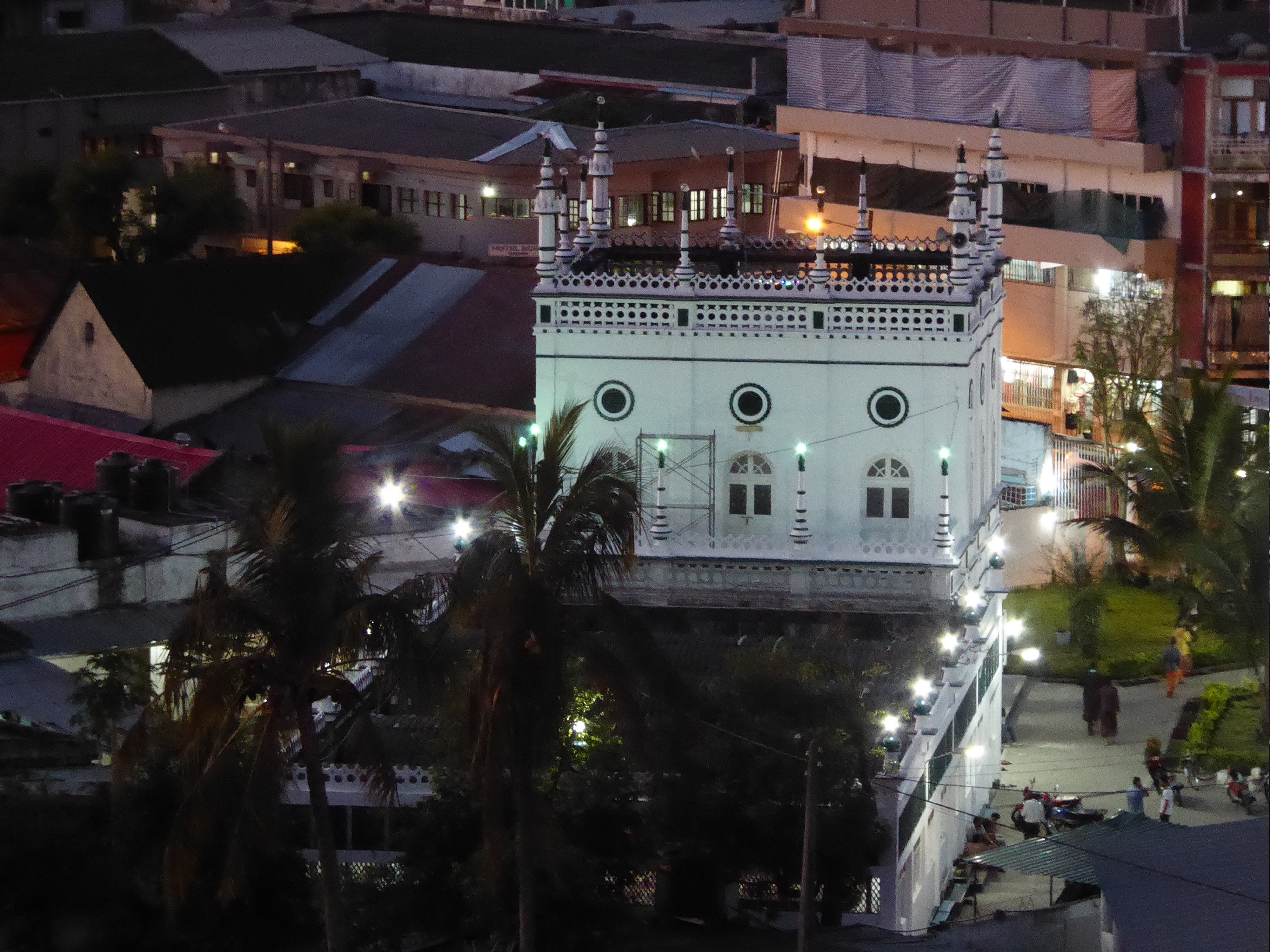
Mozambican port city in the Bons Sinais delta, with Portuguese-era architecture and a busy municipal market.
Quelimane is the capital of Zambezia province, sitting in the delta of the Bons Sinais River near the Indian Ocean coast. It's a working port city rather than a tourist destination — most travellers pass through on the way between Beira and Nampula.
The city has a relaxed, slightly faded feel, with some attractive Portuguese-era architecture including the Old Cathedral — built in the 1770s and one of the oldest churches in Mozambique. The Mercado Municipal is the most vivid place in the city for an hour's walk, stacked with cassava, dried fish, and tropical produce. The surrounding area includes coconut plantations, mangrove channels, and Zalala Beach, about 30 km east of town on a dirt road — 7 km of empty Indian Ocean sand backed by palms and largely deserted on weekdays.
It's a useful stop for breaking up the long journey north, and the combination of colonial architecture, local market, river estuary, and a beach nearby gives it enough for two days if you're not rushing.
Guide
Getting Around
The city centre is walkable; the main sights are all within a kilometre of each other. Chapas (shared minibuses) run frequent routes around town and to the suburbs, and are extremely cheap. Taxis are available at the airport and near the main hotels; negotiate the fare before getting in.
For the trip to Zalala Beach (30 km), a taxi charter is the most straightforward option — the drive takes about 45 minutes on a dirt road. Arrange a pickup time or pay for the driver to wait. Local motorbike taxis (mototaxis) are faster for short in-city trips and are widely available.
Guide
Getting There
By air is the most practical approach. Quelimane Airport (UEL) has regular connections to Maputo on LAM Mozambique Airlines, and there are also connections via Beira. The airport is a short taxi ride from the city centre.
By road, Quelimane sits on the main north–south highway connecting Beira (450 km south) and Nampula (550 km north). The roads are paved but in variable condition, and long-distance travel by bus or chapa (shared minibus) is slow — allow a full day from Beira or Nampula. The Licungo River crossing north of the city has a ferry that can cause delays.
By ferry, boat connections along the coast were historically important but are now unreliable and not recommended as a primary transport option. The Zambezi delta geography makes road access indirect; the airport is almost always the better choice for travellers with limited time.