Inhambane is a photographer's dream: a crumbling old port town where dilapidated colonial buildings, rusting tin roofs, and overgrown courtyards give every street corner a faded grandeur. One of the oldest settlements on the East African coast, it has been a trading post for over a thousand years, and the mix of African, Portuguese, and Muslim cultures still shapes daily life.
The town itself is small and walkable. The dhow harbour, the old cathedral, and the colonial waterfront streets are the main landmarks, but the real pleasure is just wandering — down side streets lined with cashew and mango trees, past mosques and colonial-era verandas. Inhambane is unhurried in a way that larger Mozambican cities no longer are.
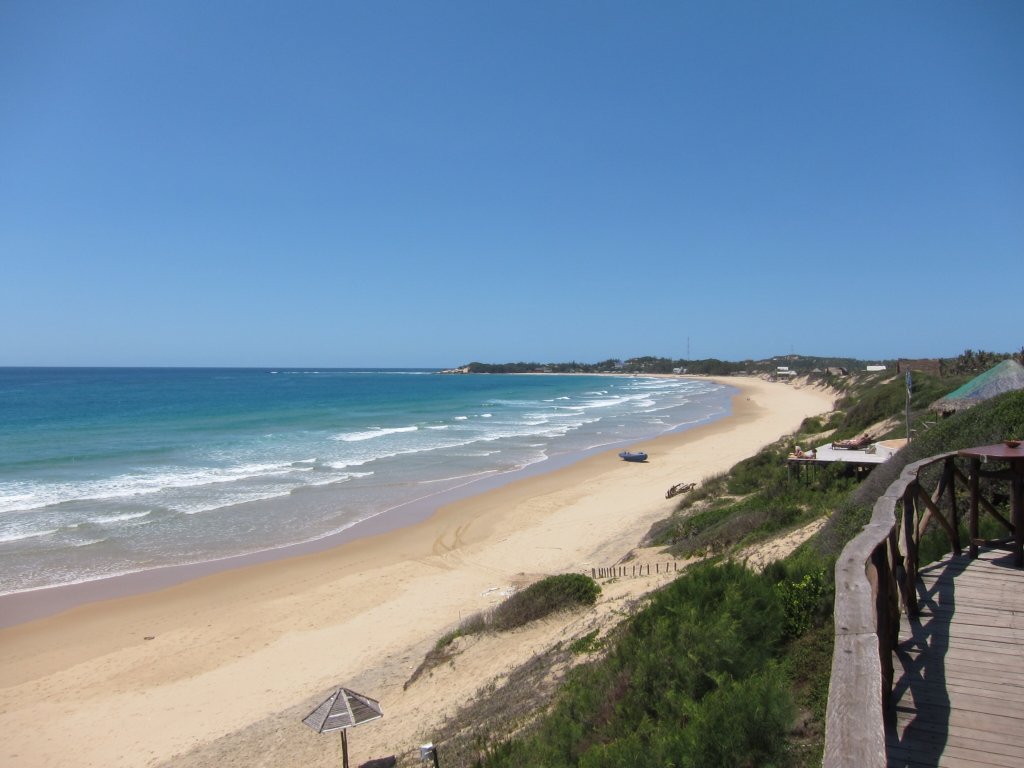
Most visitors use Inhambane as the gateway to Tofo Beach, one of the most popular coastal destinations in southern Africa, just 20 kilometres east. Tofo draws divers, surfers, and South African holidaymakers, and the bay is famous for whale shark and manta ray encounters. But Inhambane itself is worth more than a quick pass-through.