Wangdue Phodrang
©
Wangdue Phodrang

Wangdue Phodrang

Western Bhutan valley town below a ridge-top dzong at the Puna Tsang Chhu confluence.

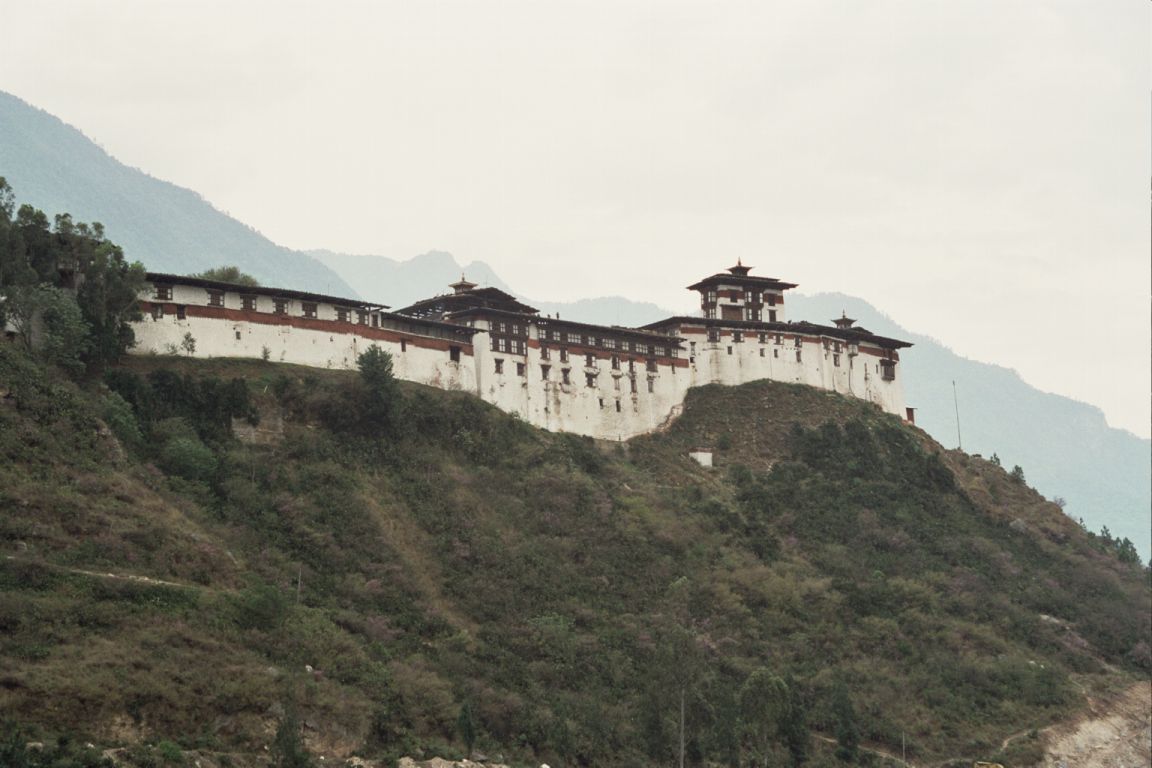
Wangdue Phodrang sits in a broad valley at the confluence of the Puna Tsang Chhu and Tang Chhu rivers, about 30 km east of Thimphu. The town's dzong — part fortress, part monastery, part government office — occupies a commanding ridge above the river junction. Tragically, the original dzong was destroyed by fire in 2012 and has been under painstaking reconstruction since, but the setting remains spectacular.

The surrounding valley is one of the warmer and drier parts of western Bhutan, with terraced rice paddies and grazing cattle. The Wangdue Tshechu, held in mid-September, is one of the major mask-dance festivals and draws crowds from across the region. Wangdue Phodrang is also a useful stop on the way east to the Phobjikha Valley, where black-necked cranes winter.

Guide

Eating Out

There is only one decent restaurant in Wangdi (also known as the windy city for very good reason) The Black Neck Crane which serves the best mo mos in Bhutan. Do not use the bathroom whatever you do. It is outside, down a dark path and in a very cramped room with no lights.

Contributors June 30, 2005

Guide

Things to Do

The headline sight is — or was, and will be again — Wangdue Phodrang Dzong, the rambling 17th-century fortress that sits on the ridge above the river junction. A devastating 2012 fire reduced most of the dzong to ashes; the painstaking reconstruction has been under way ever since, and visitors can usually see the works from outside.

A short detour off the main east-west highway takes you to the Phobjikha Valley, the broad glacial valley to the south where black-necked cranes spend the winter. Many travellers detour from Wangdue specifically for this — it is the single best wildlife experience in western Bhutan.