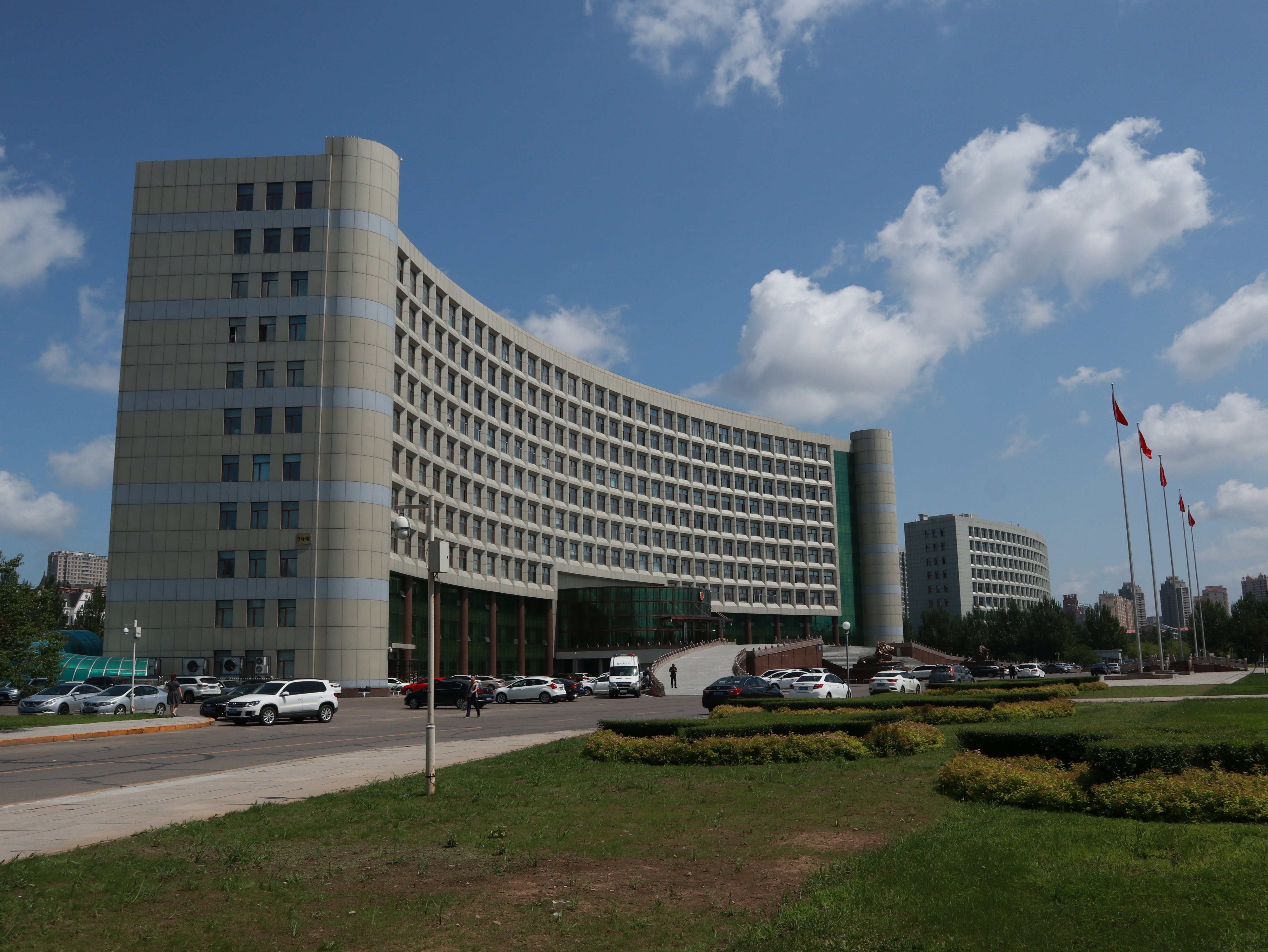
Jiamusi is the largest city in the Sanjiang Plain, the vast flat agricultural heartland where the Songhua, Heilong, and Wusuli rivers converge in eastern Heilongjiang. With a population approaching two million it is the province's third city, but it sits far enough east and north that most travelers pass it by. That is a minor shame: the wetlands around the city are among the least-visited and most ecologically significant in China, and the Sanjiangkou area, where the rivers actually meet, has a raw, open character unlike anything in the more-visited parts of the country.
The Honghe National Nature Reserve, about 80 kilometres to the northeast, is the serious draw for wildlife travelers. More than 16,000 hectares of marshy floodplain support breeding red-crowned cranes, Oriental white storks, and a long list of waterbirds that use the Sanjiang wetlands as a staging post on the East Asian flyway. Access requires some planning — public transport is limited and the reserve is large — but the rewards for birders willing to make the effort are considerable. Closer to the city, the Sanjiangkou Wetland Park offers a more accessible taste of the same landscape.
The city centre is functional northeastern Chinese: wide streets, Soviet-influenced planning, and a solid emphasis on food and commerce over aesthetics. The local cuisine leans heavily on the rivers — freshwater fish, crab from the Ussuri, and pickled vegetables — alongside the standard braised pork and dumplings of the northeast. The railway connection to Harbin has been upgraded with high-speed service from the new Jiamusi West Station, which has made the city more accessible; the journey takes around three hours.
In winter, Wofoshan Ski Resort draws a small domestic crowd and the city runs an ice sculpture festival of its own, smaller than Harbin's but without the crowds. Jiamusi rewards a certain kind of traveler: one who is interested in frontier wetlands, in cities that exist for reasons other than tourism, and in the flat, immense, slightly melancholy landscape of the Sanjiang Plain in any season.