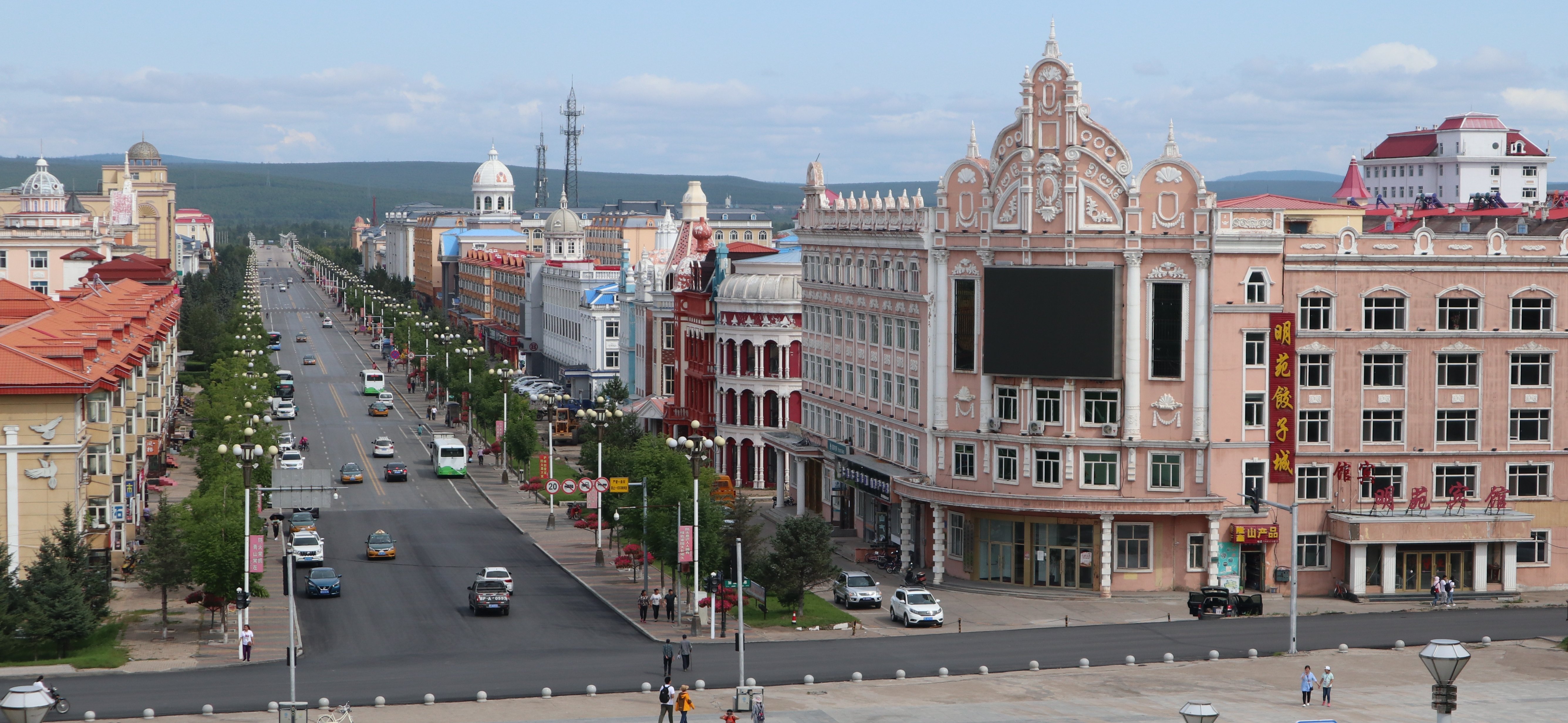
Mohe is China's northernmost city, sitting on the Heilong River border with Russia at roughly the same latitude as Scandinavia. In a country where most geography is described in terms of ancient civilisation and dense population, Mohe is refreshingly extreme: -40°C winters, 21 hours of daylight around the summer solstice, and the only place in China where you can reliably see the aurora borealis.
The aurora borealis viewing season runs from November to March, with December through February the most reliable. Clear nights away from the town's modest lights reveal curtains of green and occasionally red light across the sky. Beiji Village (Arctic Village), 30 kilometres north of town, is the furthest north you can travel in China — a small settlement of wooden houses on the riverbank where Russia is visible across the ice in winter. The setting is genuinely remote and beautiful, and staying overnight gives the best chance of seeing the northern lights without the competition for viewing spots.
In summer the situation reverses entirely. Around the solstice in late June, the sun barely sets, and the long twilight makes the riverine landscape of the Heilong bend extraordinary at 10pm. The Heilong River First Bend (Heilong Jiang Di Yi Wan) is a classic photograph: the great dark river looping through floodplain forest, with Russian pine forest on the far bank.
Winter in Mohe comes with a specific tourist culture built around extreme cold. The annual Ice and Snow Festival features activities that only make sense at -40°C: throwing boiling water into the air to watch it instantly vaporise, freezing wet clothes into sculptures, running through snow in bathing suits. It sounds absurd. It is actually exhilarating.
Getting to Mohe requires commitment. Flights connect to Harbin and a handful of other cities. Alternatively, the train from Harbin takes around 12 hours. Bring warm clothing beyond what you think you need.