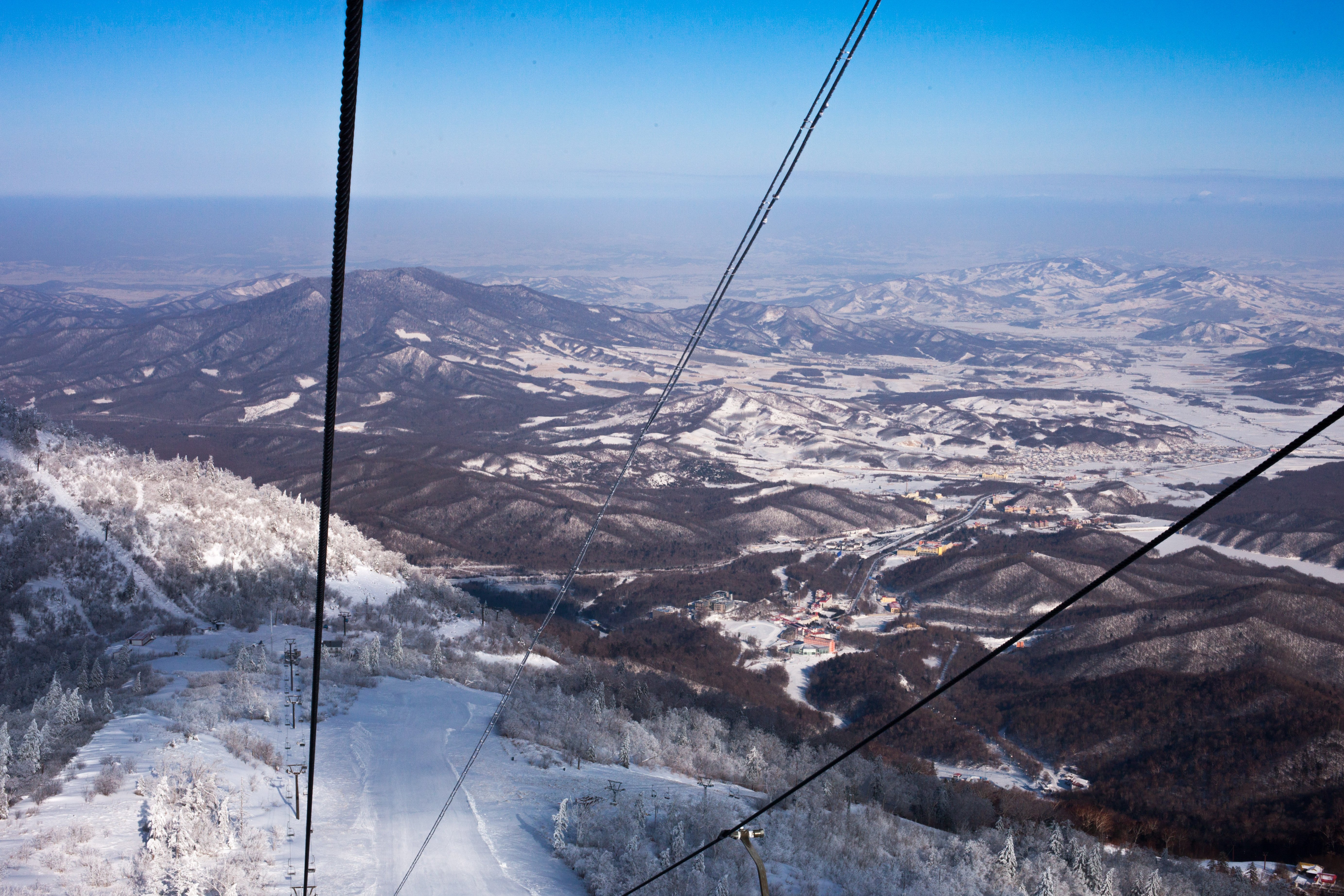
Yabuli is China's premier alpine ski resort, spread across the slopes of Daqingshan Mountain in the Zhangguangcai Range southeast of Harbin. It hosted the 1996 Asian Winter Games and remains the largest ski area in the country by terrain and infrastructure, with runs ranging from gentle beginner slopes to a descent long enough and steep enough to have hosted international competition. The resort sits at altitude, the snow is reliable from November through March, and the lift system has been substantially upgraded in recent years to handle the growing domestic ski market.
The appeal is straightforward: this is where serious Chinese skiers come when they want proper mountain skiing rather than the artificial slopes that have proliferated around the major cities. There are over a dozen runs, a cross-country circuit, and a ski jump facility left over from the Games. Equipment rental is available at the base, instruction is offered at most skill levels, and the infrastructure — hotels, restaurants, shuttle buses — is calibrated for independent visitors rather than just tour groups. At weekends and during the Chinese New Year period the resort is busy; mid-week and mid-season it is noticeably quieter.
Getting here from Harbin is the standard approach: buses and tourist coaches make the three-hour journey regularly, and the resort has its own accommodation so multi-day trips are straightforward. The surrounding Zhangguangcai mountains are attractive in their own right — forested, relatively undeveloped, and genuinely cold in winter — and a day's snowshoeing or cross-country skiing outside the resort boundaries is possible for those who want to escape the lifts. In summer the area converts to hiking and mountain biking. The winter identity is so strong that an off-season visit requires some imagination.
Yabuli is not a destination for anyone indifferent to snow sports. But if skiing is why you came to Heilongjiang in winter — or if you want to understand why the province matters to China's growing ski culture — the resort is both the logical and the best choice.