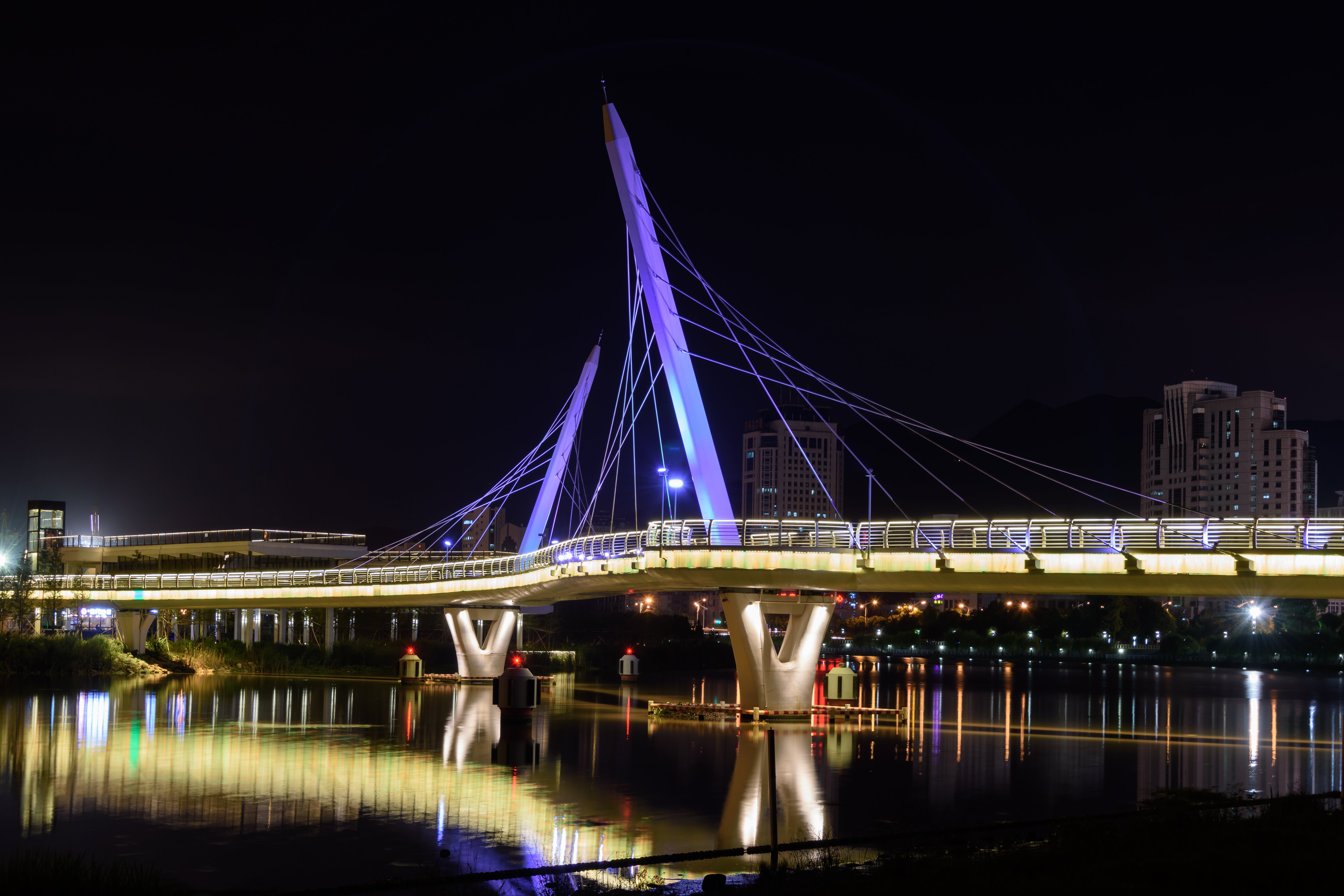
Taizhou sits in the middle of Jiangsu, between the Grand Canal and the coast, a city with over two thousand years of recorded history and a strong local identity that has not been entirely steamrolled by recent development. It is the birthplace of Mei Lanfang, the Peking opera master who is credited with defining the dan (female) role tradition, and his Mei Lanfang Memorial Museum and park are treated with genuine local reverence. The Fengchenghe riverside area, centred on the restored Wanghai Tower, gives the city a handsome civic anchor.
The cultural character extends to food, and Taizhou has its own trio of celebrated local specialities. Crab roe dumplings from Jingjiang, a satellite city, are the most famous — filled with hairy crab roe and pork, they require careful eating to avoid losing the liquid interior. Ginger duck, slow-braised with young ginger, is the warming autumn and winter dish. Stinky fermented tofu from Taixing divides visitors cleanly into enthusiasts and refusers. The old pedestrian street in Hailing District remains the traditional commercial core, and the family restaurants surrounding it serve more reliably than the hotels.
The local dialect is a variety of Lower Yangtze Mandarin divergent enough from standard Mandarin that even Mandarin-speaking visitors sometimes struggle; English is not widely spoken, and having key addresses written in Chinese characters makes navigation much easier. The city is big enough to have its own airport at Yangzhou Taizhou (shared with the neighbouring city), with a rail connection via the Nanjing–Nantong line.
Taizhou is a reasonable base for exploring the surrounding area, including the canal town of Xinghua, famous for its aerial-view rapeseed flower fields that flood the surrounding wetlands in spring. The combination of city monuments and seasonal countryside spectacle makes a two-night stay worthwhile in April.