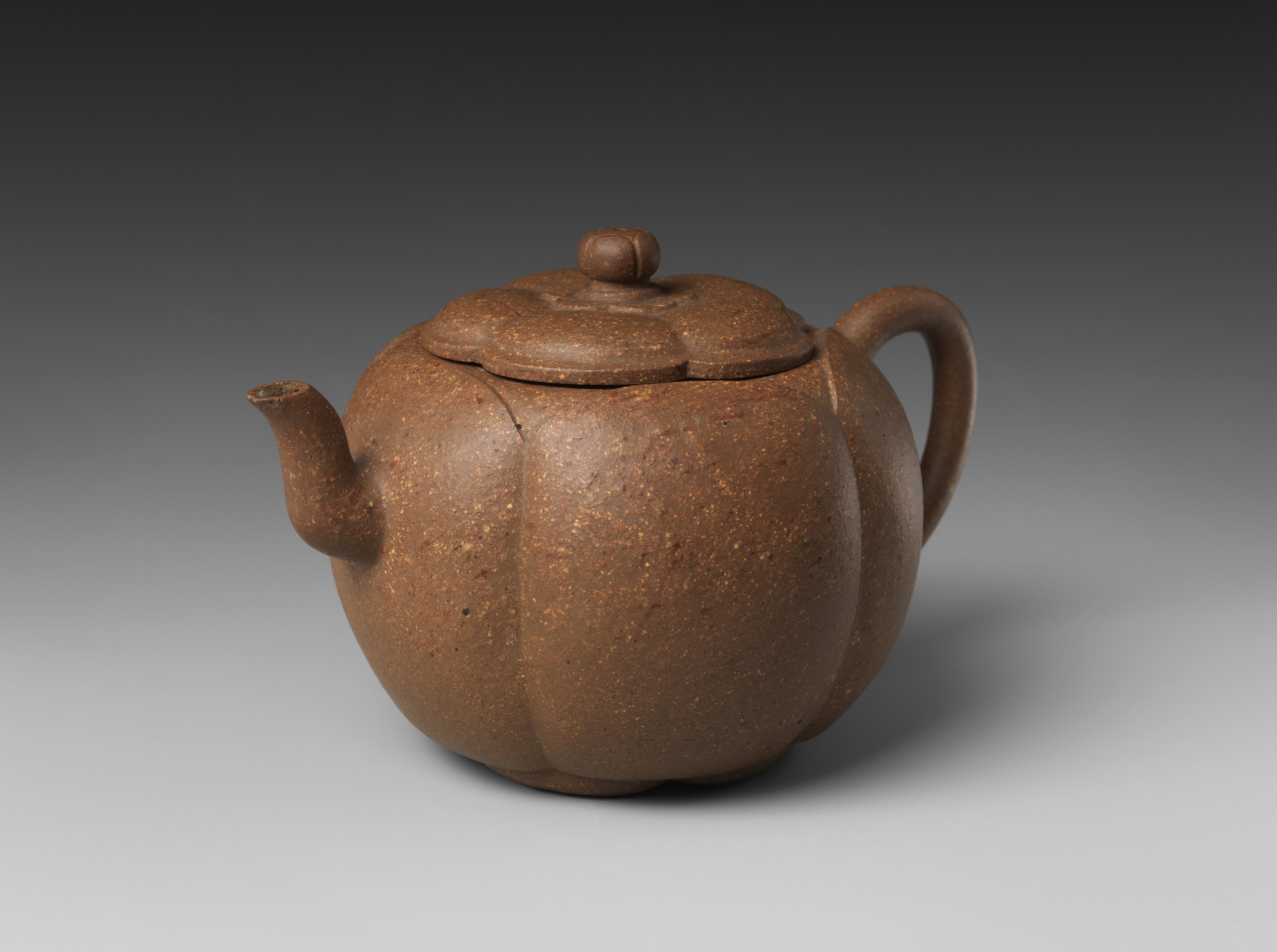
Yixing is the source of zisha — purple clay — and has produced the teapots made from it for over five hundred years. The unglazed Yixing teapot is revered by serious tea drinkers across East Asia for its ability to absorb the essence of tea over decades of use, and the craft of making them is both highly skilled and deeply localised: the specific clay deposits, the traditional hand-building techniques, and the firing methods are all particular to this part of the Yangtze Delta. Visiting the Yixing Ceramics Museum, which is free, and browsing the teapot workshops around Dingshu Town is a genuine experience for anyone interested in Chinese material culture.
The city sits at the southwestern corner of Lake Tai, surrounded by hills that provide a gentle contrast to the flat Yangtze plain. The Yixing Bamboo Sea is a substantial national forest park where thick bamboo groves give way to unusual tree species and Buddhist monastery grounds; it is genuinely quiet on weekdays. The Shanjuan cave system is one of the better limestone cave experiences in Jiangsu, notable for its underground river exit. The terrain in the south and west rises enough to make the landscape feel different from the watery flatlands of the rest of Jiangsu.
Yixing is administratively part of Wuxi municipality and sits about 40 km from Lake Tai's western shore. High-speed rail connects it to Nanjing in under an hour and to Hangzhou in a similar time. The city occupies a useful triangle between those two larger destinations, and a half-day or full-day stop slots naturally into a southern Jiangsu itinerary.
The local food is Jiangnan in character — refined, fish-heavy, and seasonal — with dried bamboo shoots and lake crab featuring in season. The teapot markets reward patience and at least basic knowledge: forgeries of famous potters' work are common, and the best-made pieces carry prices that reflect the skill involved.