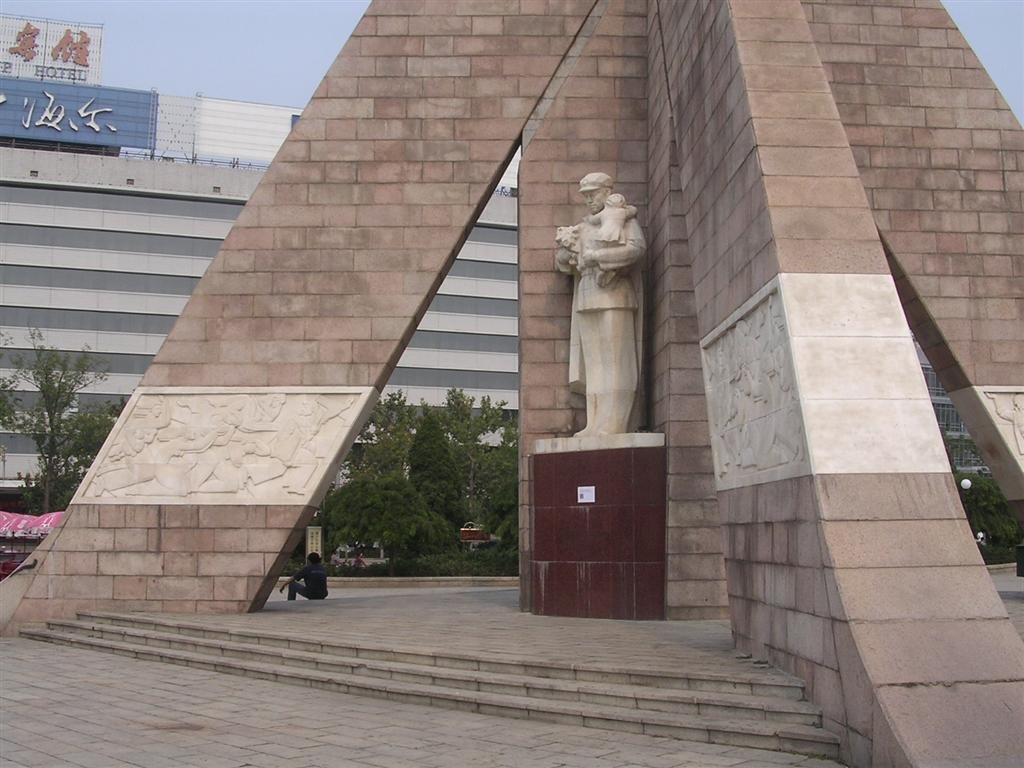
Tangshan is defined, to a degree unusual even by Chinese city standards, by a single event: the 1976 earthquake that killed somewhere between 242,000 and 300,000 people in the space of minutes, flattening 85 percent of the city's buildings. It is the deadliest earthquake in the recorded history of the modern world. The Earthquake Memorial Museum and monument in the northern part of the city treat the subject with appropriate gravity, and they are worth visiting for anyone trying to understand how China confronted mass disaster during the Cultural Revolution — a period when the government initially refused international aid and reported the death toll at a fraction of the actual figure for years.
The city that rebuilt itself on those ruins is now China's largest steel producer, an industrial giant that has been trying to reinvent itself by closing its dirtiest mills and developing tourism around its coal-mining heritage. The Kailuan National Mine Park, a former British-owned colliery established in the 1870s, is one of the more distinctive industrial heritage sites in northern China. The mine itself is no longer operational, but the Victorian-era administrative buildings, mining machinery, and underground tour give a vivid account of the industry that made the city.
Within the Tangshan prefecture, the town of Zunhua contains the Eastern Qing Tombs, a UNESCO World Heritage Site that is the most extensive imperial mausoleum complex in China. Five emperors are buried there — Shunzhi, Kangxi, Qianlong, Xianfeng, and Tongzhi — along with fifteen empresses and over a hundred concubines. Qianlong's underground tomb alone runs 54 metres deep and is lined with over 30,000 words of Tibetan scripture carved into marble. The site is significantly less crowded than the Ming Tombs outside Beijing and architecturally more interesting.
Tangshan is connected to Beijing by high-speed rail and sits on the coastal route toward Qinhuangdao.