Industrial Anhui city on the Huaihe plain, anchored by coal and ancient Shou County nearby
Huainan is an industrial city in north-central Anhui — coal, chemicals, electricity, and pharmaceuticals are its economic foundations, and it makes no great effort to disguise this. The landscape along the railway reflects the city's history: processing plants, cooling towers, and the flat agricultural plain that stretches across the Huaihe valley. Most travelers pass through without stopping, which is not unreasonable.
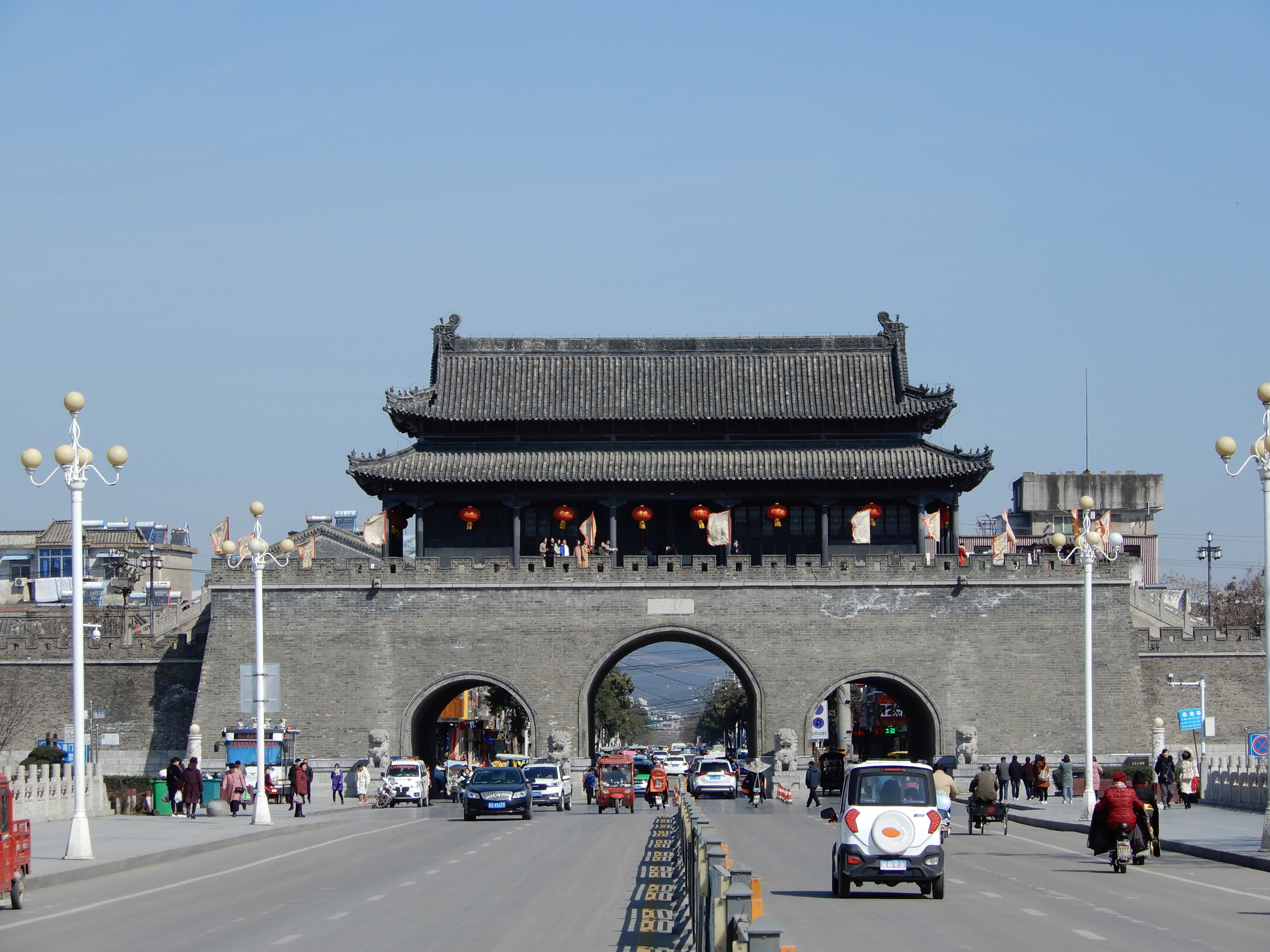
What gives Huainan a claim on attention is Shou County, a historic district on the city's western edge that was once one of the major capitals of ancient China. Shouchun served as the capital of the Chu state in the final decades before the Qin unification, and the old city walls — largely intact, some sections dating to the Song dynasty though on much older foundations — enclose a surprisingly well-preserved historic core. The Shou County Museum holds fine bronzes, lacquerware, and jade from Chu tombs found in the surrounding fields.
The city is also associated with the legendary origins of tofu, supposedly invented here by Liu An, the Han dynasty prince of Huainan, around 150 BCE. The claim is contested but maintained with enthusiasm; Huainan hosts an annual tofu festival and the local variety, made from water from a specific spring, is considered particularly fine.
Huainan Beef Soup — bai tang niu rou tang, with a milky white broth served at breakfast — is the dish that residents are most proud of. Multiple train stations serve the city, with high-speed connections available via Huainan East and South stations.
Guide
Eating Out
Huainan's best-known contribution to Chinese cuisine is Huainan Beef Soup — bai tang niu rou tang, a milky-white broth made by long-cooking beef bones until the collagen renders out and the liquid turns opaque. It's a breakfast dish, served from early morning at stalls throughout the city with fried dough sticks and flatbreads for dipping. The soup has a richness and depth that rewards the early-morning effort required to eat it at its best.
The local tofu, made from spring water specific to this area, is another dish to seek out. Huainan restaurants serve it in multiple forms: silken fresh tofu with soy sauce and sesame oil, pan-fried until crisp, or stewed in a clay pot with preserved vegetables. The annual Tofu Festival in September brings temporary stalls and special preparations that aren't available the rest of the year.
Shou County, within easy distance, has its own traditional food culture based on preserved pork preparations and clay-pot braised dishes that differ from the main city's cooking.
Guide
Getting There
Huainan has multiple train stations serving different parts of the sprawling city. Huainan East and Huainan South stations handle high-speed services, with connections to Hefei (about forty minutes) and Nanjing (about ninety minutes). The older Huainan station in the city center handles conventional trains with wider regional connections.
Shou County is about 25 kilometers west of central Huainan; local buses run between the two, and taxis are available. Combining Shou County with a Huainan visit in a single day is manageable if you arrive early.
There is no commercial airport in Huainan; the nearest options are Hefei Xinqiao Airport, about 60 kilometers south by road, or taking the train to Hefei and flying from there.