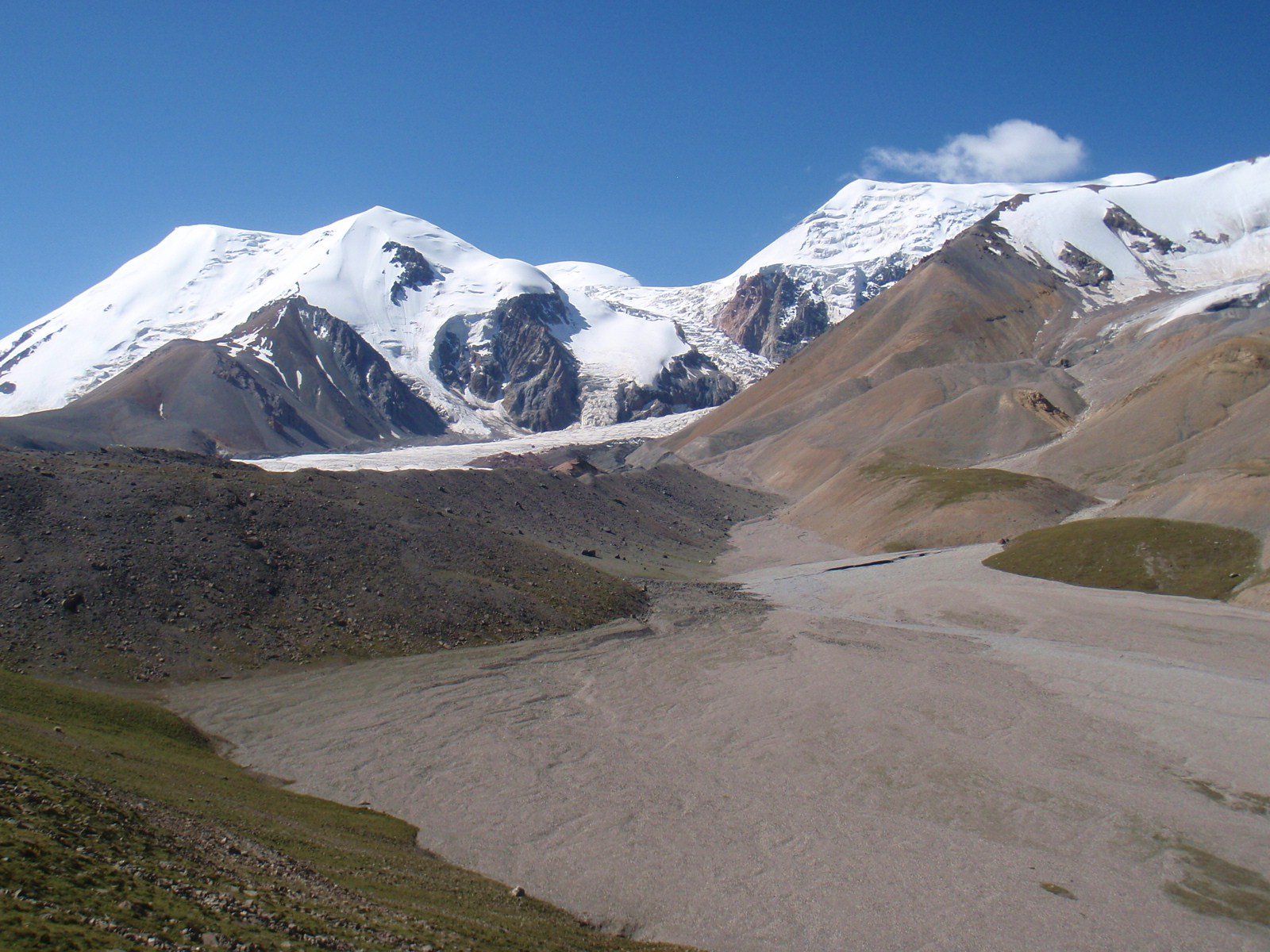
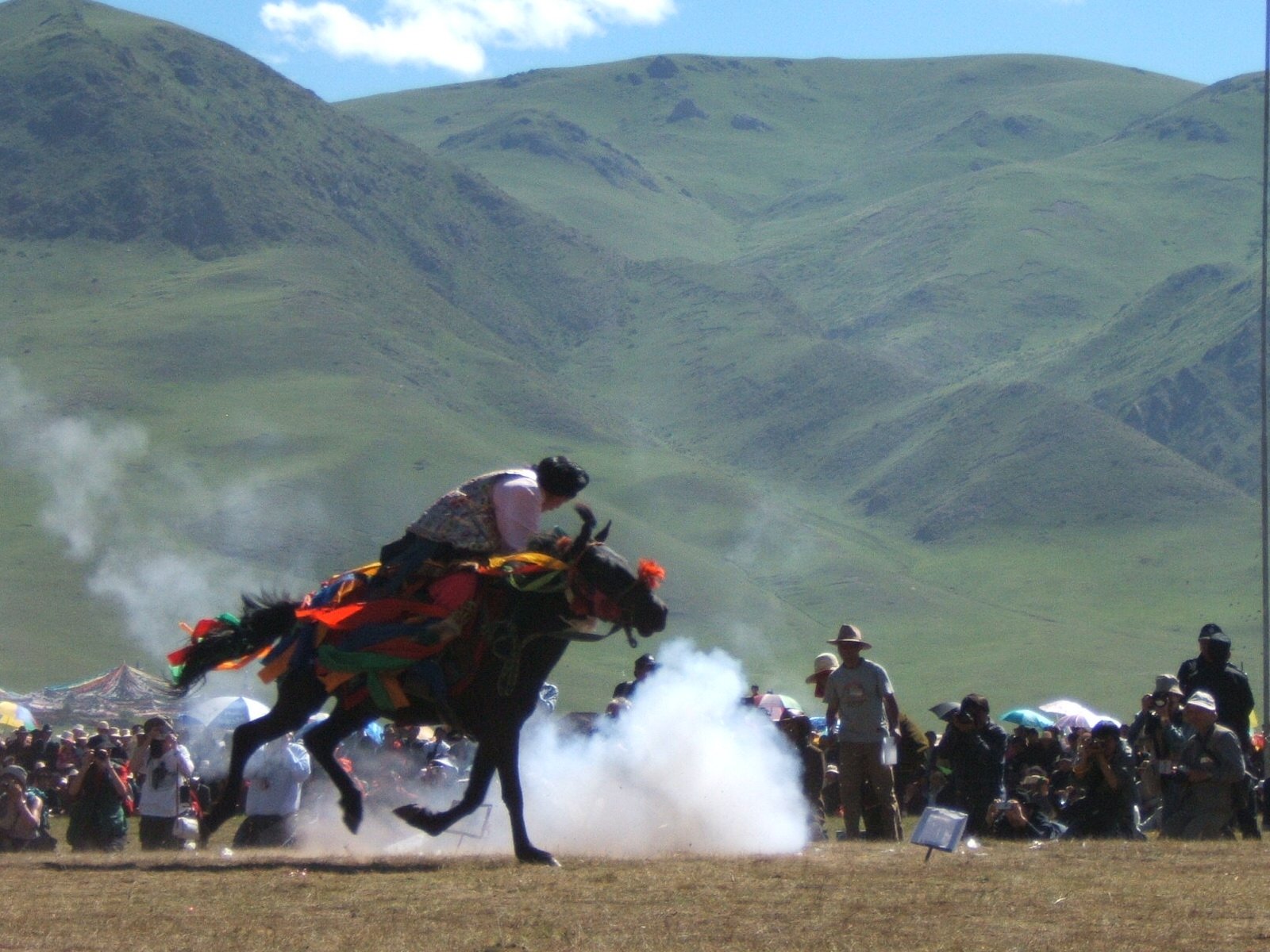
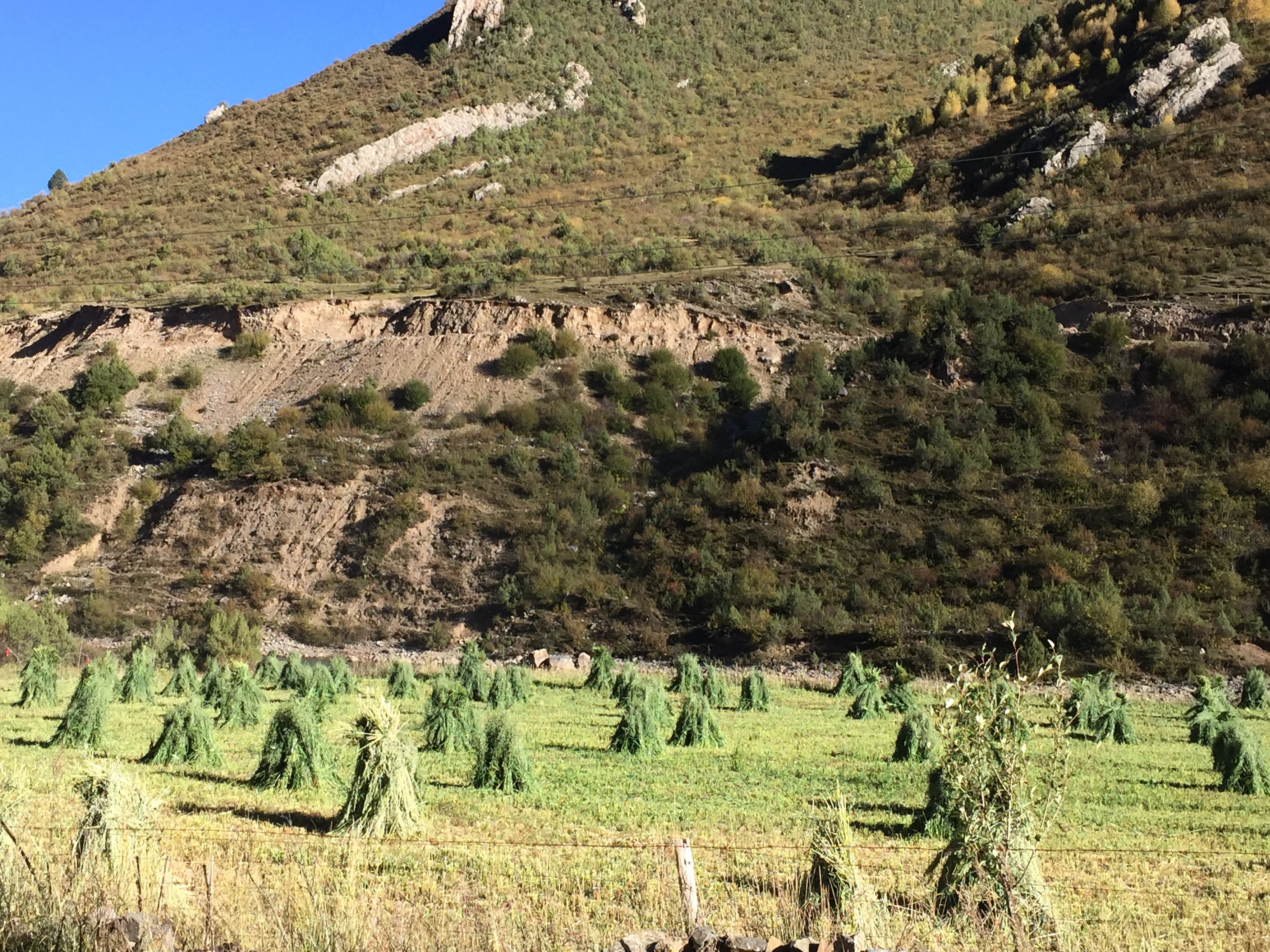
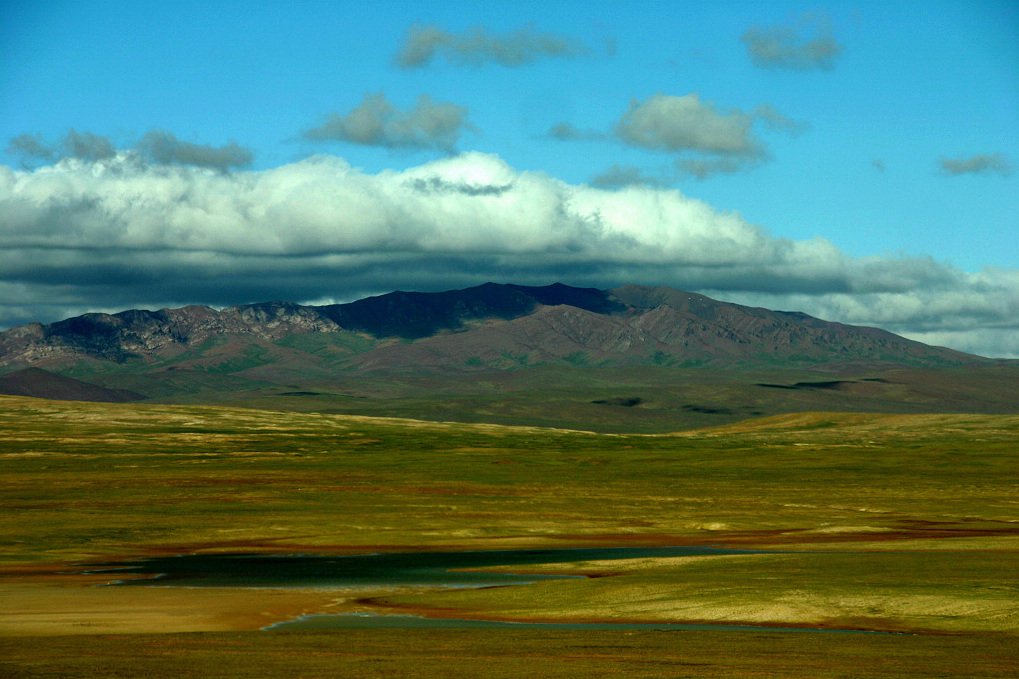
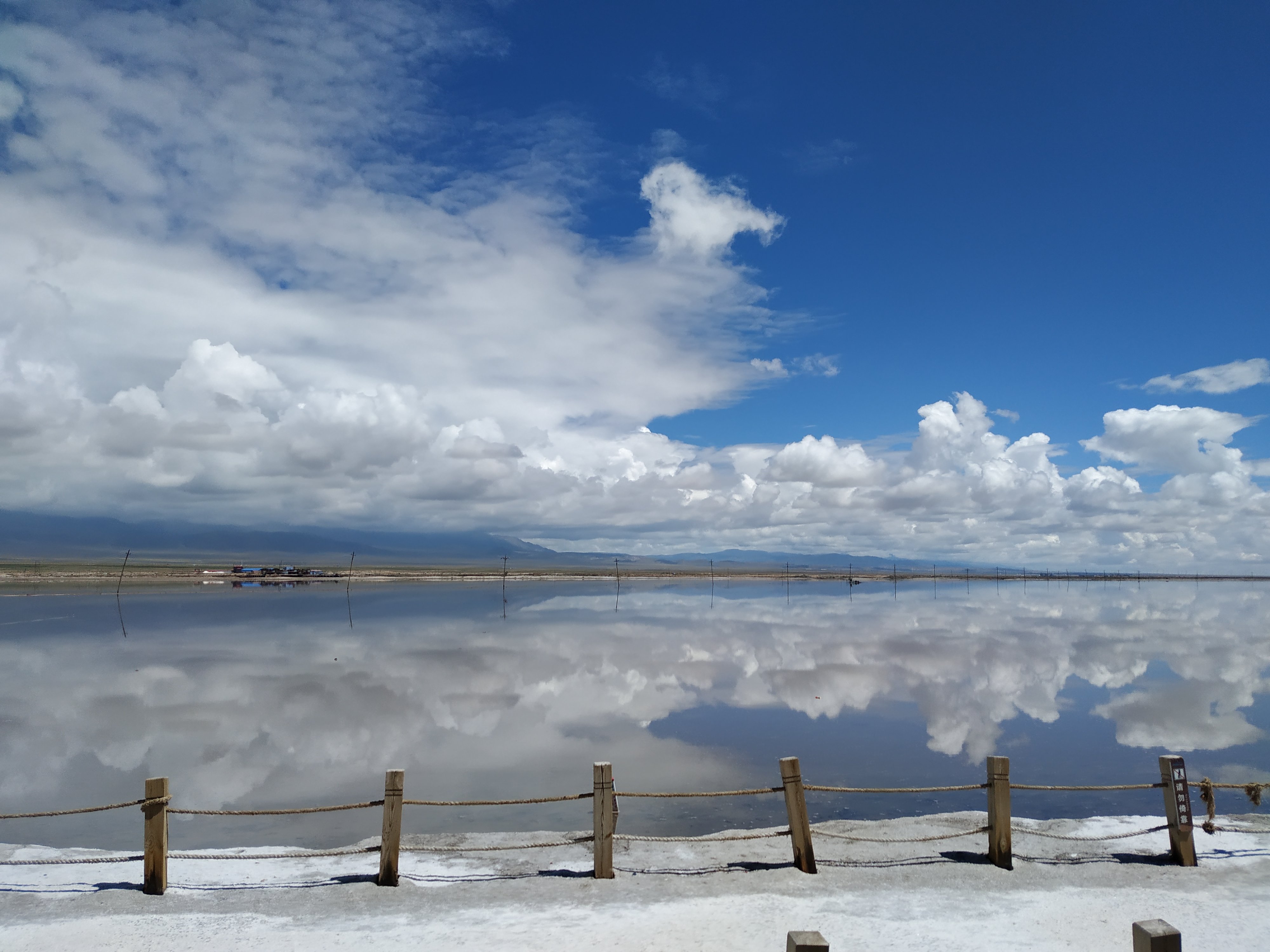
Qinghai occupies the northeastern part of the Tibetan Plateau — one of the highest, coldest, and most sparsely populated places on earth. Most of the province sits above 3,000 metres; much of it is above 4,000. The air is thin, the light is brilliant, and the landscape is on a scale that makes ordinary scenery feel modest.
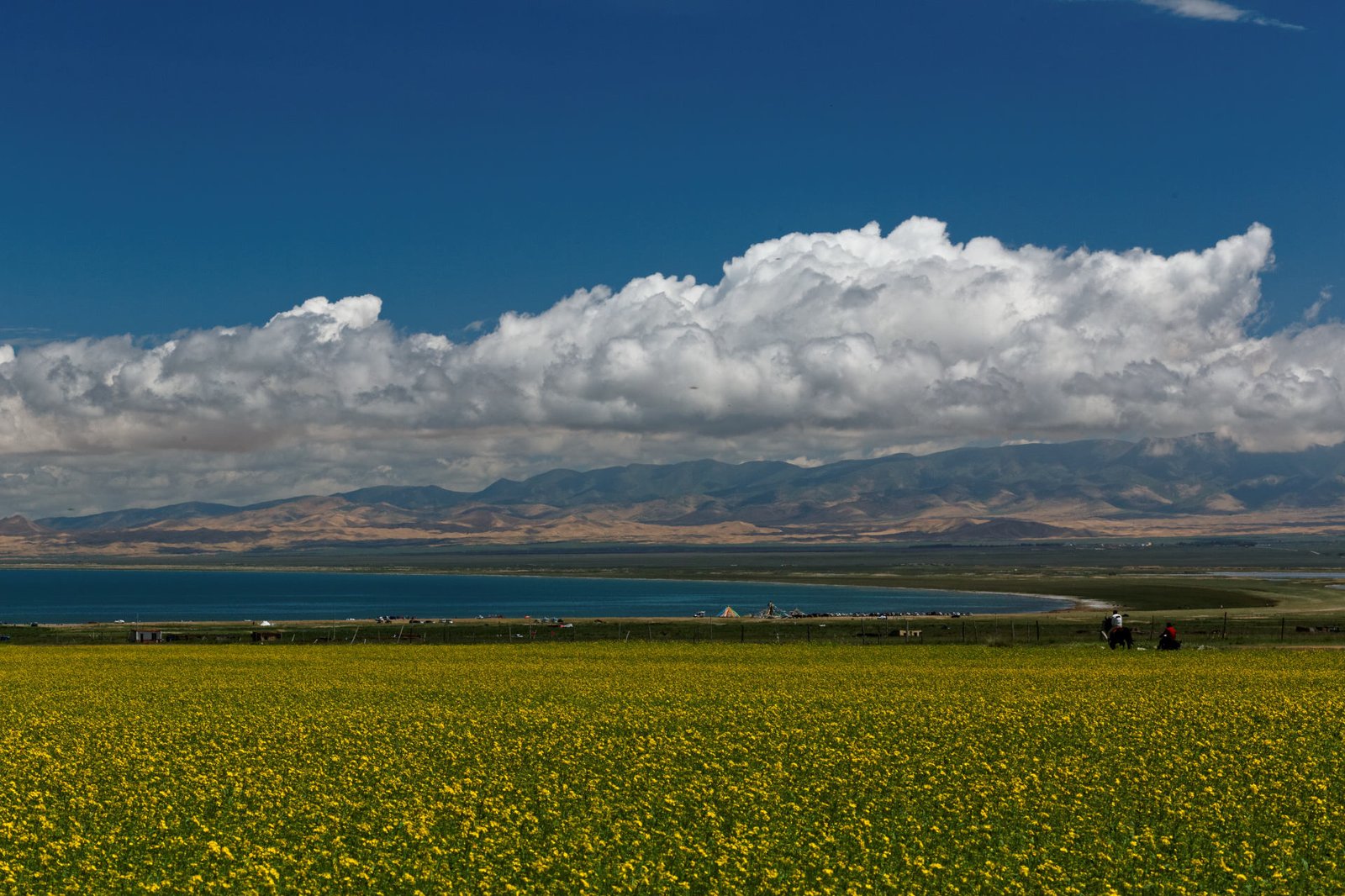
Qinghai Lake (Qinghai Hu) is the largest lake in China and one of the most beautiful: a salt lake of striking turquoise blue set in treeless rolling hills at 3,205 metres. The cycling route around the lake, about 360 kilometres, is one of the great cycling trips in Asia. In late July, the Qinghai Lake International Road Cycling Race brings the whole circuit to life.
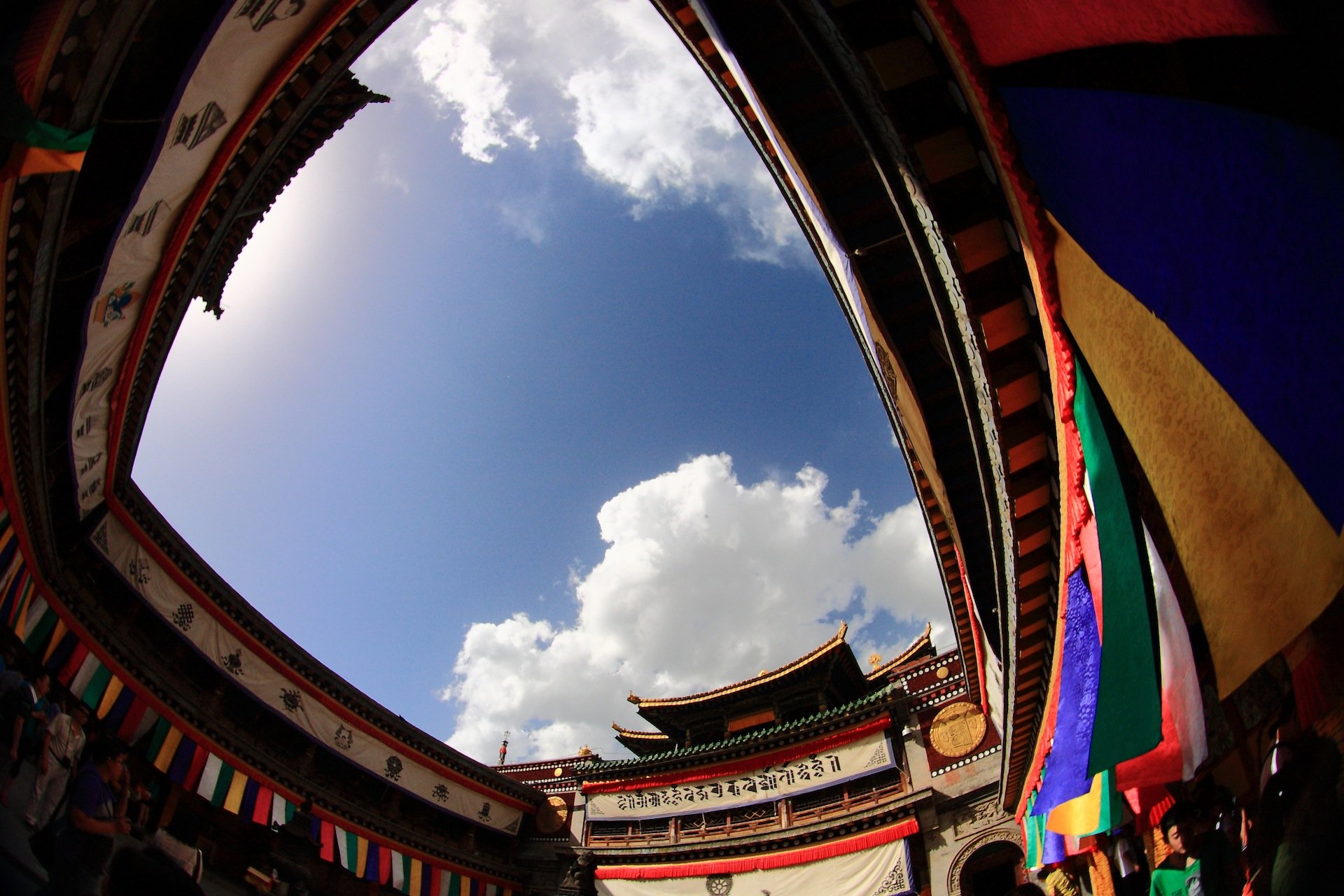
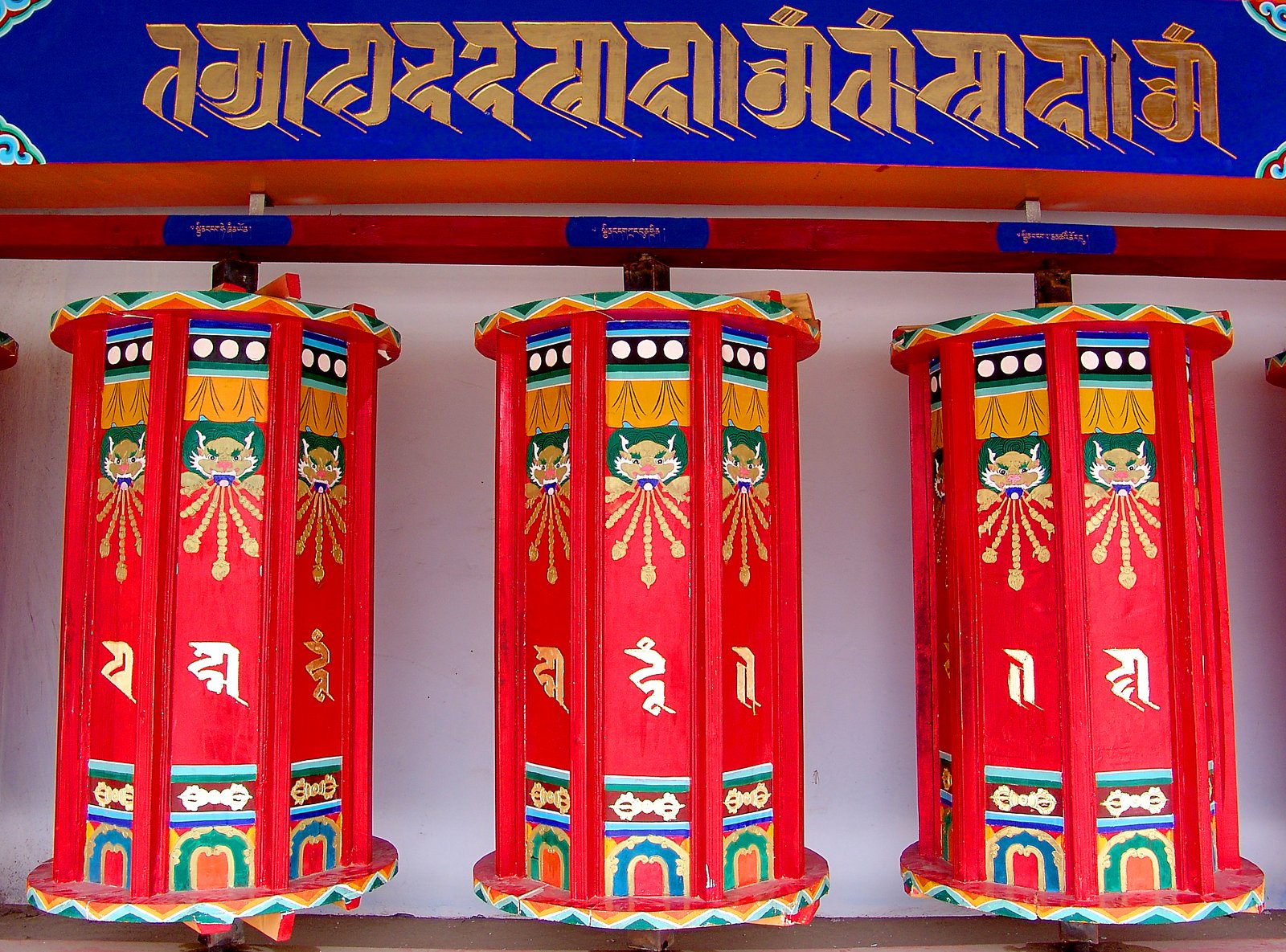
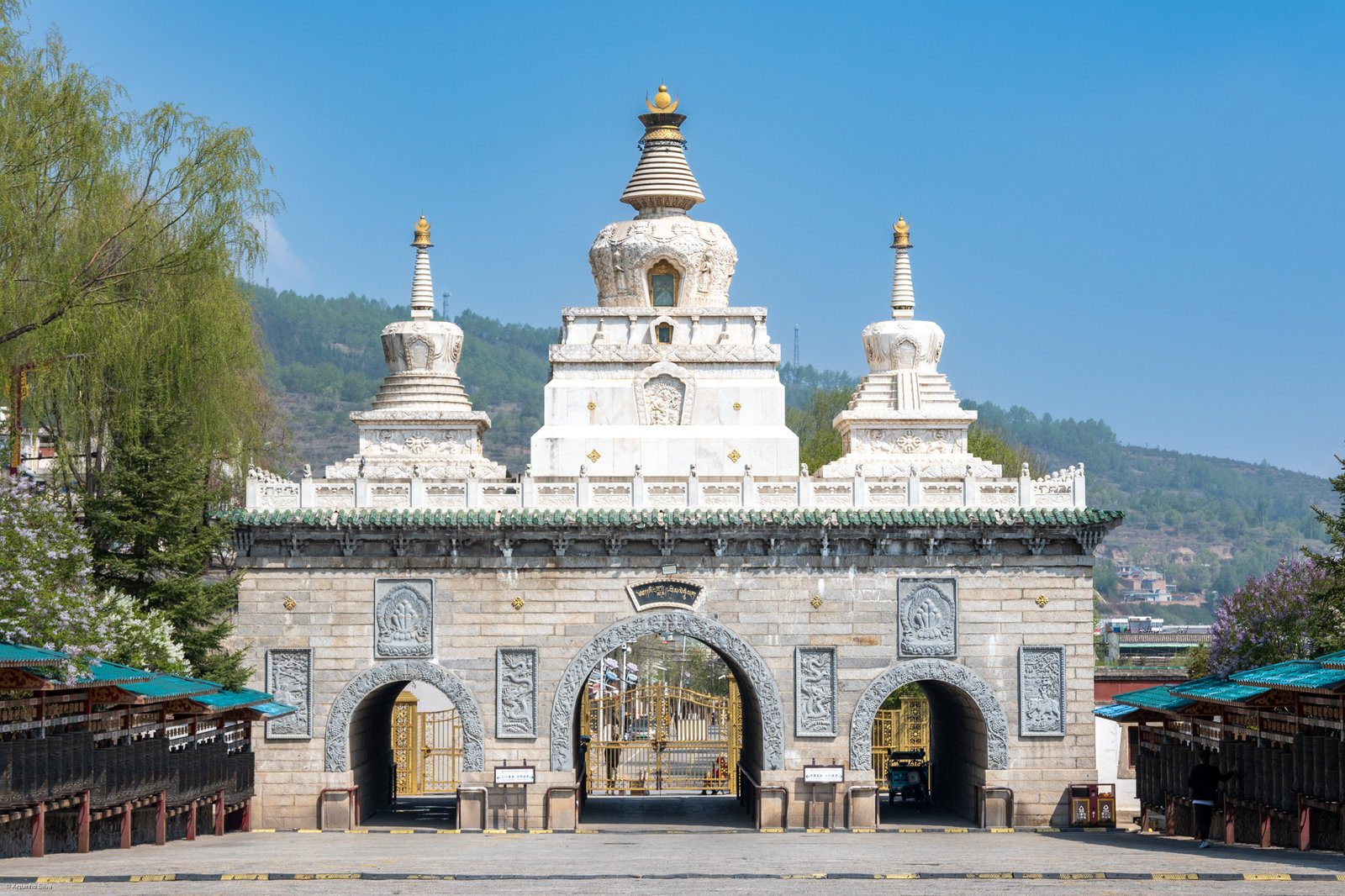
Xining, the capital, is a large Han and Hui Muslim city that serves primarily as the departure point for the Tibetan Plateau. The Kumbum Monastery (Ta'er Si), 25 kilometres south of Xining, is one of the most important Tibetan Buddhist monasteries outside Tibet itself — the birthplace of Tsongkhapa, the fifteenth-century reformer who founded the Gelug school. It is active, substantial, and well worth a half-day.
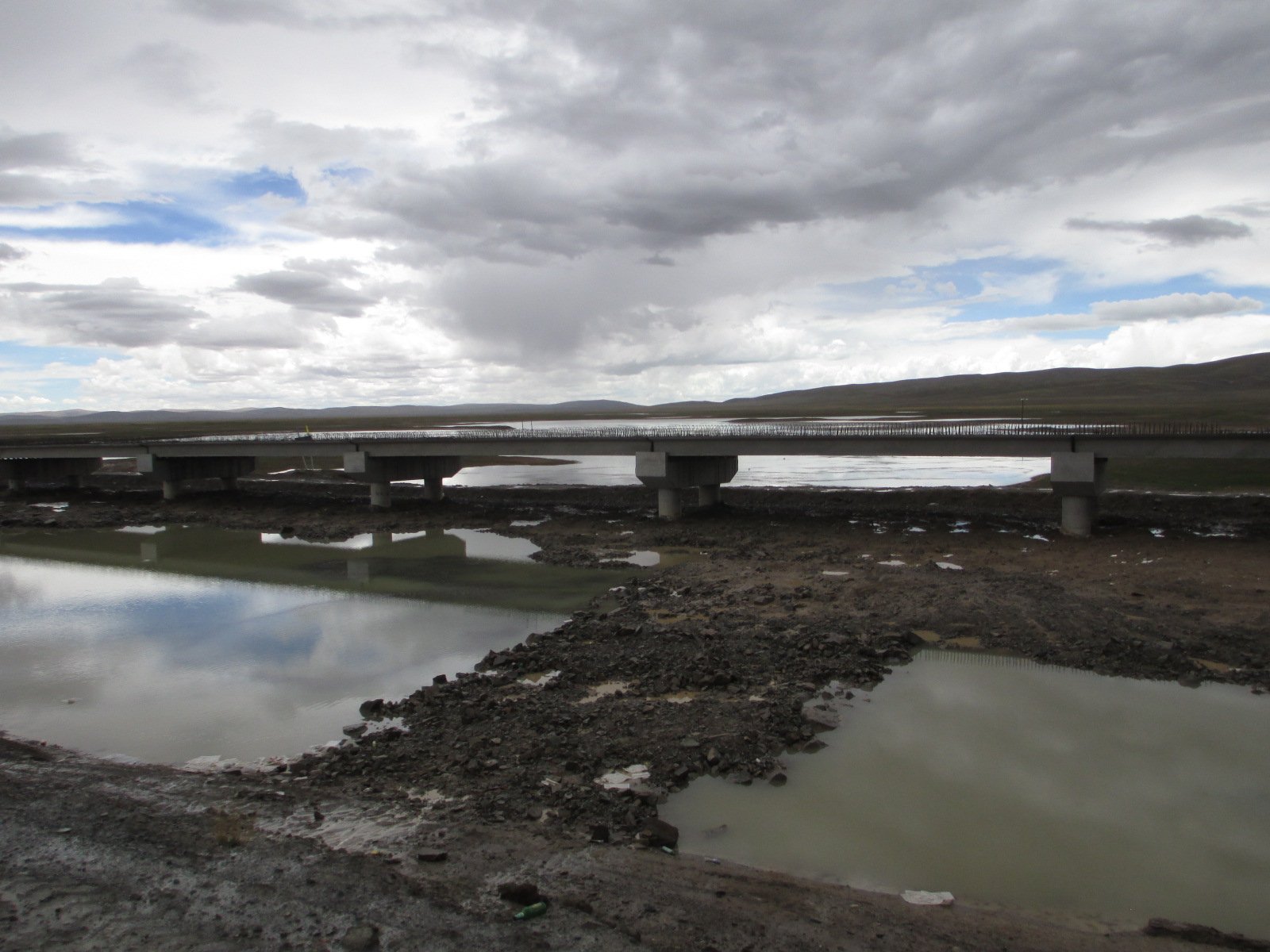
Golmud, the second city, is the last stop on the Qinghai-Tibet Railway before the plateau proper. It is useful rather than interesting, but it marks the edge of the inhabited world before the great emptiness begins. The salt flats and desert landscapes surrounding it have an eerie beauty.
The altitude is not to be underestimated. Give yourself at least a day to acclimatise before doing anything strenuous, and be honest about symptoms of altitude sickness.