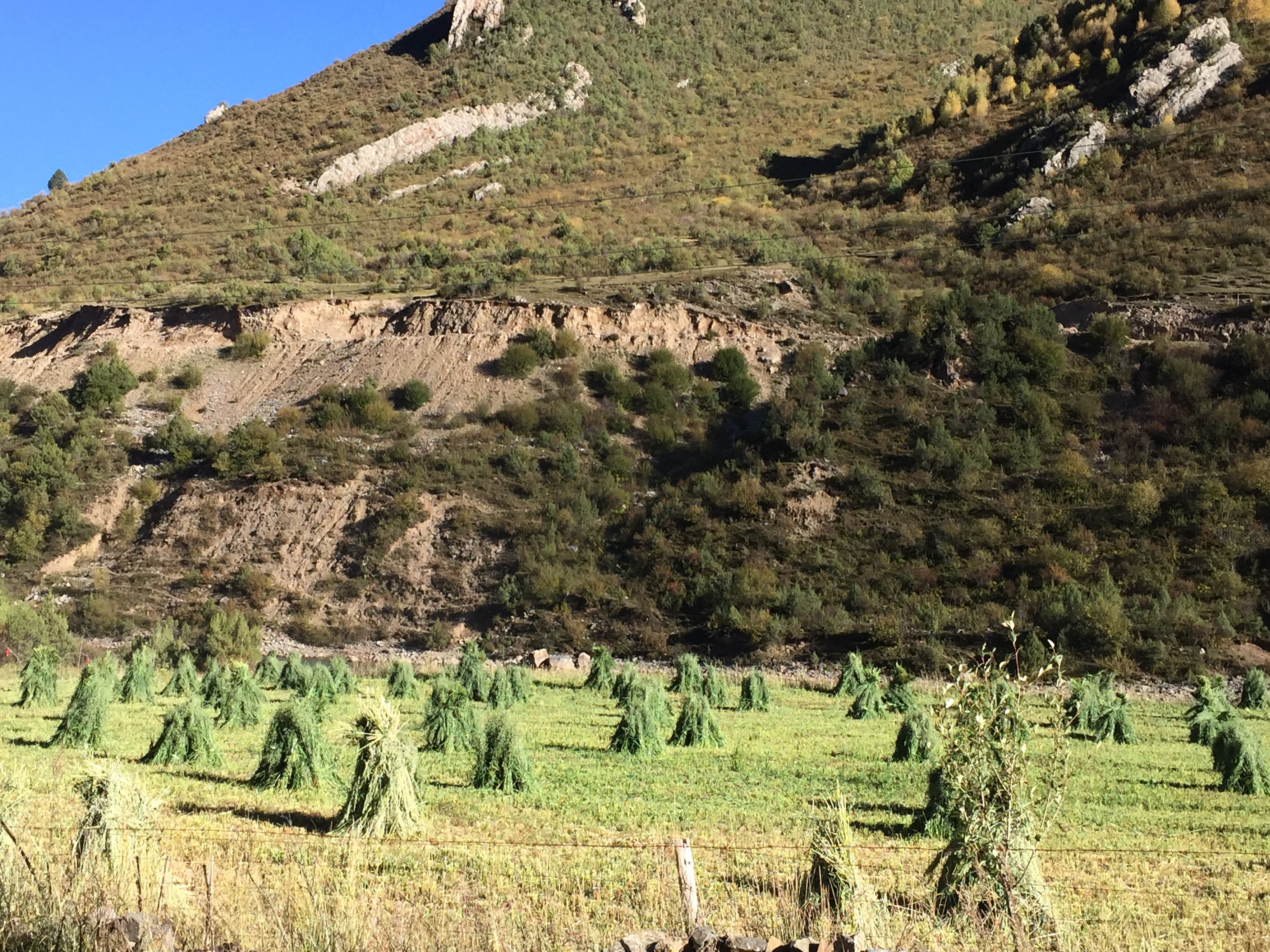
Nangqen is a remote county town in southern Qinghai's Yushu Prefecture, close to the borders of Sichuan and Tibet and about 150 kilometres south of Yushu itself. It sits at high altitude on the Tibetan Plateau, in a landscape of river gorges, grasslands, and monastery-dotted hillsides. Few foreign travellers come here; those who do tend to be heading for the monasteries and wilderness areas of southern Yushu Prefecture.
The area is significant in the Tibetan Buddhist world as a stronghold of the Kagyu school — several important monasteries operate in the valleys around Nangqen, and the region has produced notable teachers and practitioners. The Gechak Nunnery, the largest nunnery in Qinghai Province, is one of the most accessible, while Zurmang Namgyaltse — seat of the Trungpa lineage — lies about 60 kilometres east in the Tsichu valley. The journey itself, through increasingly dramatic high-plateau terrain, is part of the appeal. Roads are rough in places and conditions depend heavily on season; the summer and early autumn months offer the most reliable travel.
Getting to Nangqen from Xining involves an overnight sleeper bus (around 280 yuan, arriving in the morning) or a collective taxi from Yushu (around 50 yuan per person). From Nangqen, onward travel into the more remote valleys requires hiring taxis or attempting to hitchhike. Running water can be limited in winter and facilities are basic by any standard; this is genuinely remote travel territory, not a polished destination.
The town has one main hotel, the Nangqing Hotel near the bus station, with rooms from around 30 yuan per person in shared accommodation to 120 yuan for a double. It is a place for travellers who want to leave the usual circuit of Chinese tourism entirely behind and are comfortable with the practical difficulties that entails.