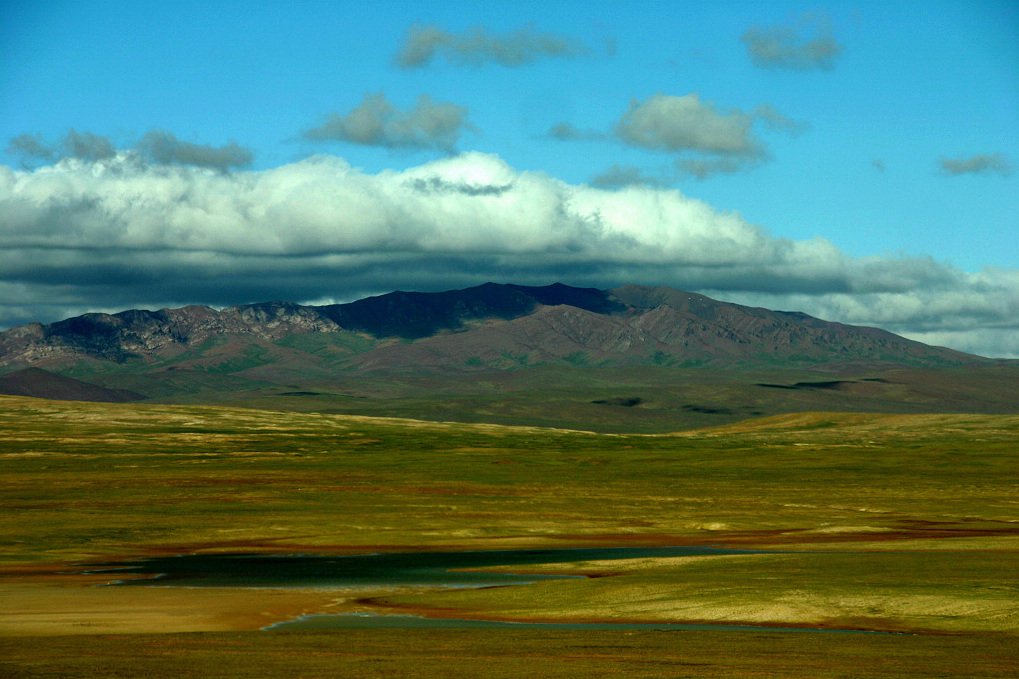
Hoh Xil — also written Kekexili — is the largest and highest plateau in the world outside Antarctica, a UNESCO World Heritage Site covering approximately 45,000 square kilometres of northwestern Qinghai at altitudes between 4,500 and 6,000 metres. It is one of the last great wilderness areas on earth: virtually uninhabited by humans, extraordinarily rich in wildlife, and so remote and hostile that most of it has never been properly surveyed.
The plateau is the primary habitat of the Tibetan antelope (chiru), whose numbers dropped catastrophically in the 1980s and 1990s due to poaching for the shahtoosh trade, before conservation efforts — including the work of activists who sacrificed their lives to fight the poachers — brought the population back from the edge of extinction. The chiru now number over 300,000 and the annual migration to the calving grounds in northern Hoh Xil, when tens of thousands of pregnant females trek hundreds of kilometres across the plateau, is one of the great wildlife spectacles in Asia. The migration peaks in late June and early July.
Access to Hoh Xil is deliberately restricted to protect the ecosystem. The Qinghai-Tibet Highway (Route 109) and the Qinghai-Tibet Railway cross the eastern edge of the reserve, and the Hoh Xil Nature Reserve headquarters at Suonan Dajie are accessible. Independent off-road travel into the interior is not permitted without special authorisation. The best way to experience the area is to travel the Qinghai-Tibet route by road and stop at the reserve station, where staff can explain the conservation story.
The landscape itself — flat, treeless, impossibly vast, under skies of extraordinary clarity — is unlike anything in more accessible parts of China. Passing through on the highway or train gives at least a sense of its scale; the lakes and wetlands, the chiru, and wild yaks visible from the road are a reminder that this is living wilderness, not managed scenery.