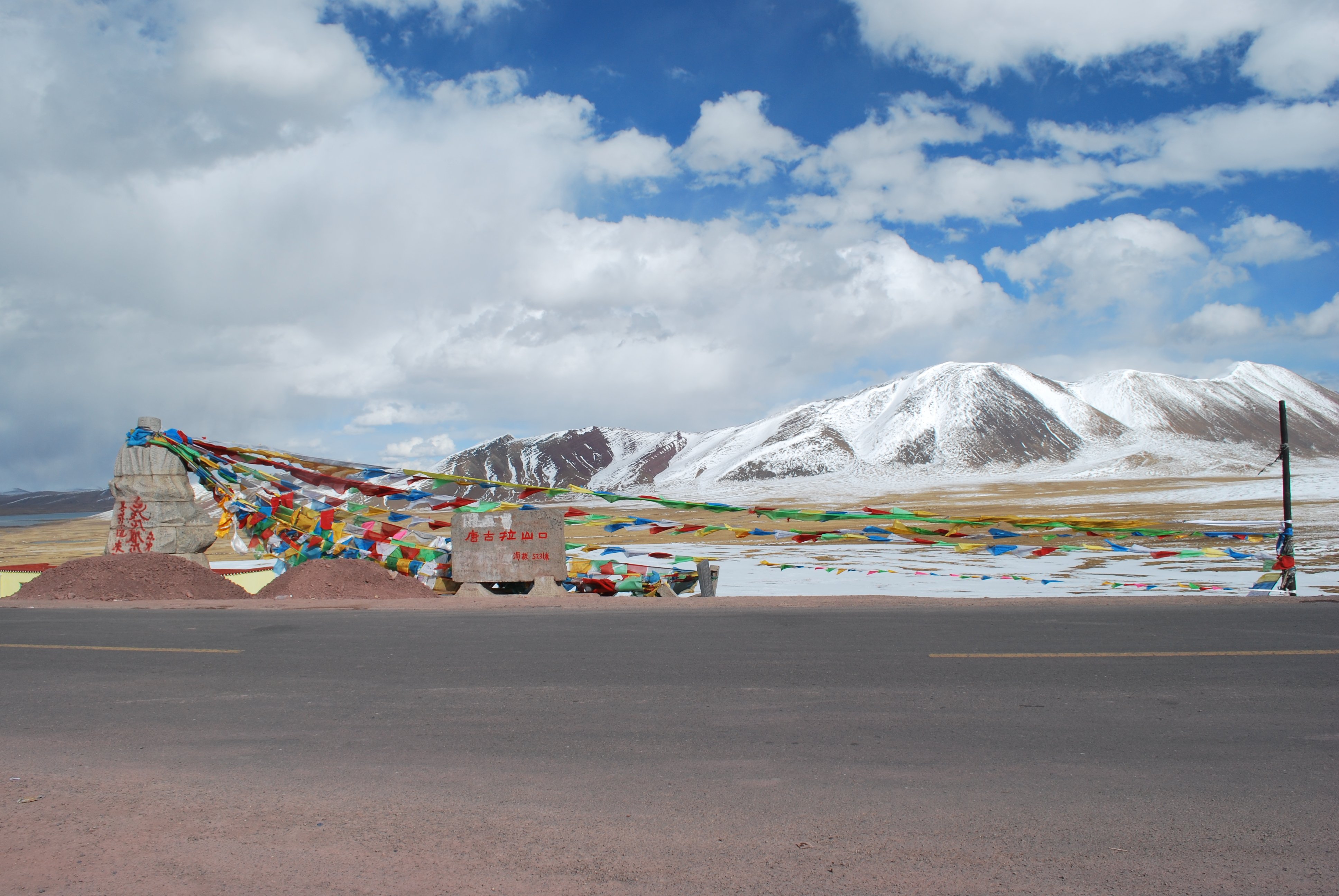
Nagqu — also written Naqu or Nagchu — is the main town of northern Tibet and the capital of the largest prefecture-level city in China by land area, a staggering expanse of high, wind-scoured plateau stretching across the Chang Tang. The town itself sits at around 4,500 metres on the Qinghai-Tibet Railway line, making it one of the highest towns of any size in the world. Most travellers arriving by train from the north pass through briefly before continuing south to Lhasa, but those who stop find themselves in the authentic northern plateau — treeless, immense, and bitterly cold outside the brief summer.
The region's most famous event is the Nagqu Horse Racing Festival, held each August, when tens of thousands of Tibetan nomads converge on the plateau outside town for horse races, archery competitions, and traditional games. It is one of the largest and most exhilarating festivals in Tibet, a genuine nomadic gathering rather than a tourist spectacle, and the timing is as good as the weather gets: daytime temperatures around 15°C, vivid light, and the plateau at its greenest. The surrounding region contains some of the greatest concentrations of wildlife in Tibet — kiang (Tibetan wild ass), Tibetan antelope, and black-necked cranes are all seen in the right season.
The northern plateau also holds some of Tibet's most remote and least-visited lakes. Siling Co — the largest lake in Tibet — lies within Nagqu prefecture, as does Tangra Yumco, a sacred Bon site. These are strictly for the adventurous: access requires arranged tours, good vehicles, and several extra permits beyond the standard Tibet Travel Permit.
The town of Nagqu itself is a functional Chinese frontier settlement with little architectural distinction, but the surrounding landscape is extraordinary. Winters here are ferocious — temperatures drop to minus 30°C or below, and the town endures an average of 100 frost days a year. The railway passes through, and the G109 highway connects Nagqu north to Golmud and south to Lhasa.