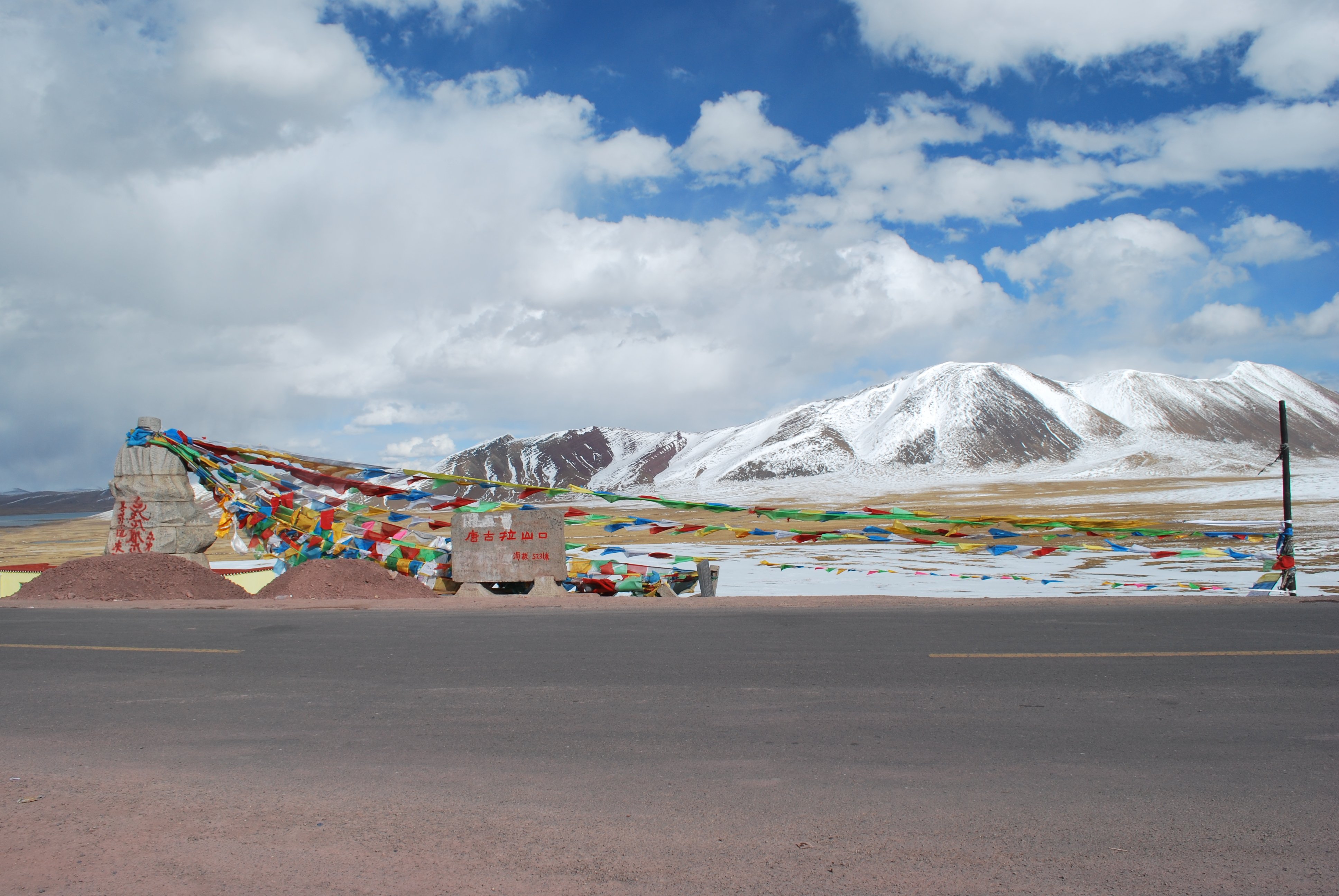
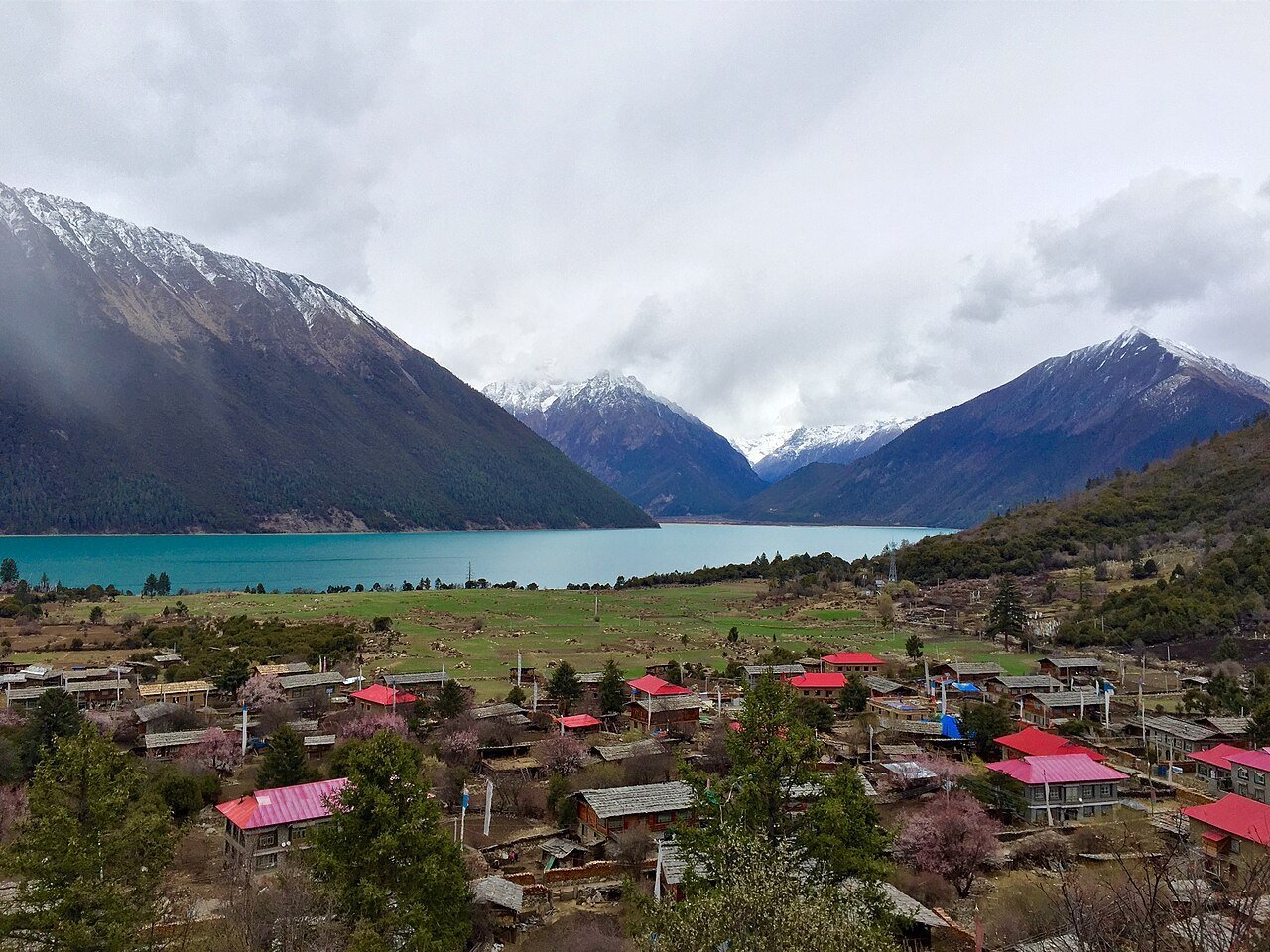
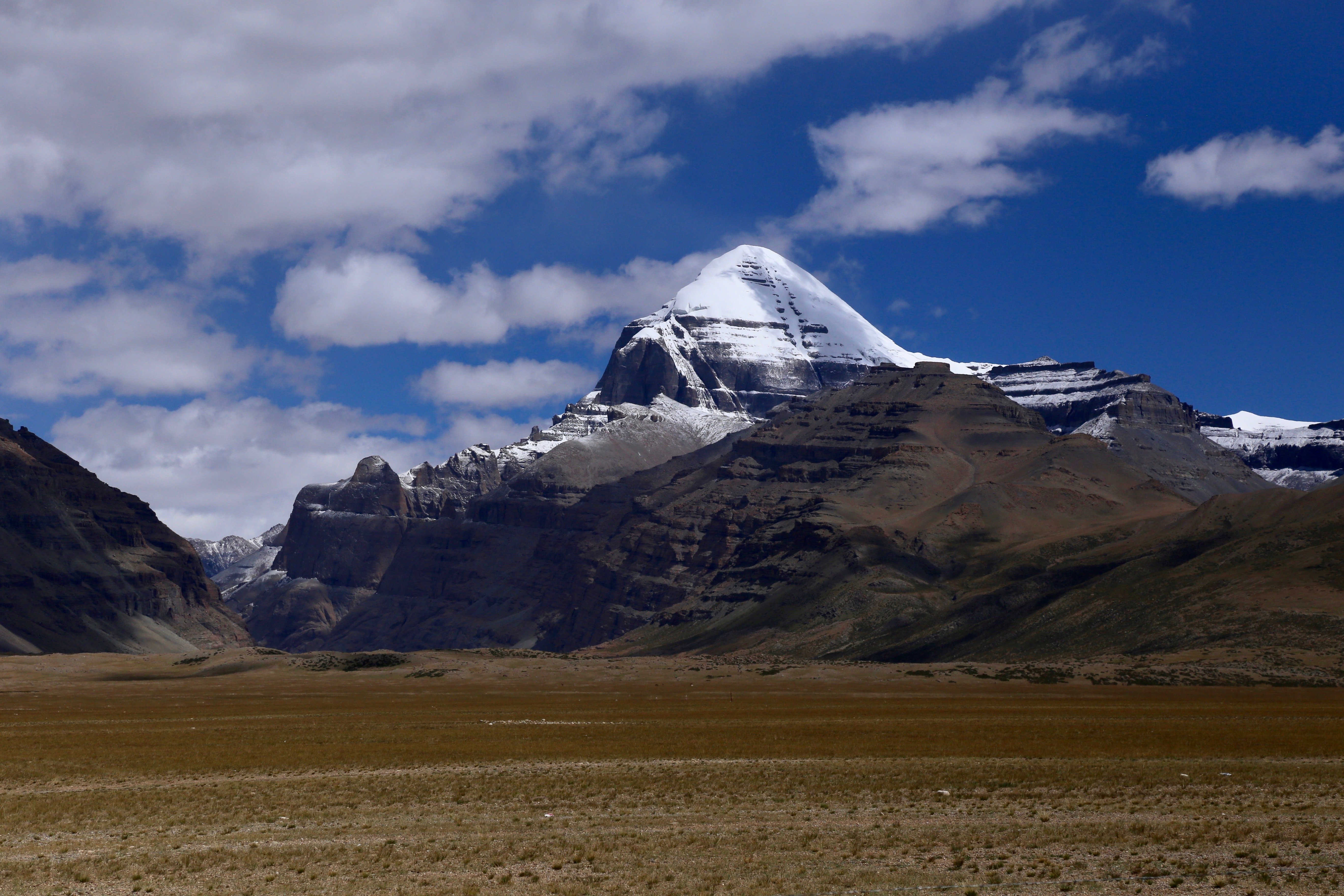
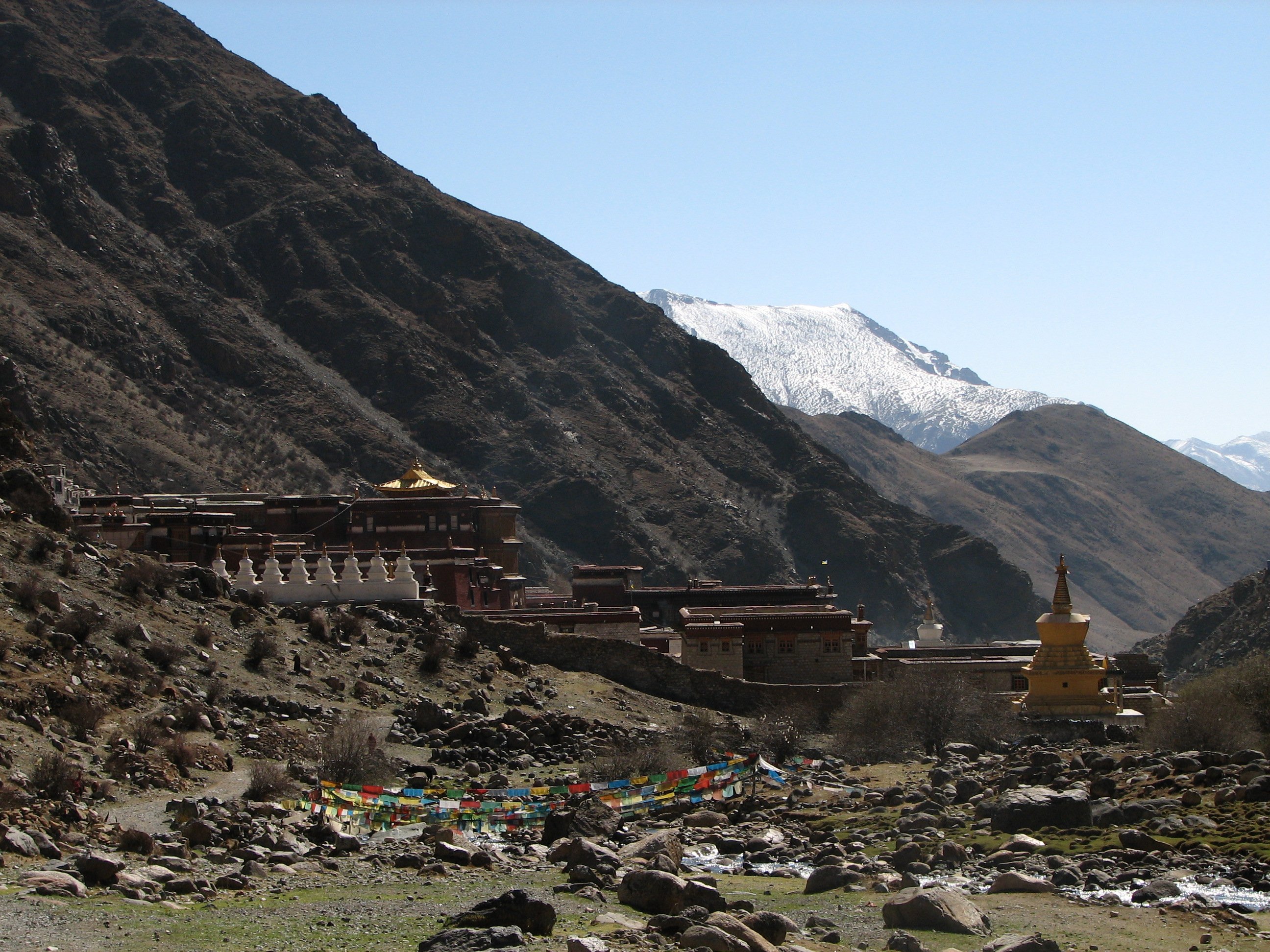
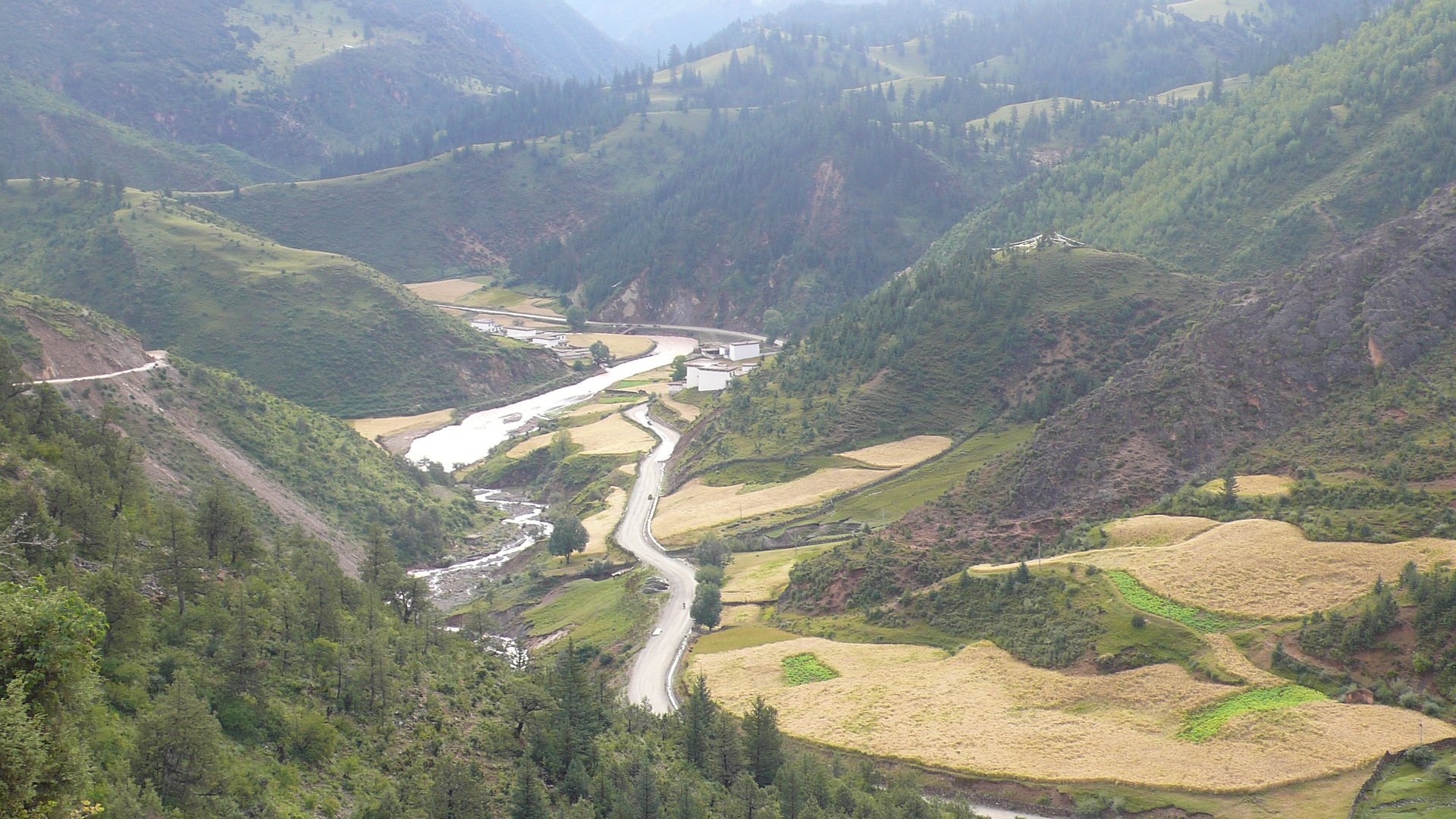
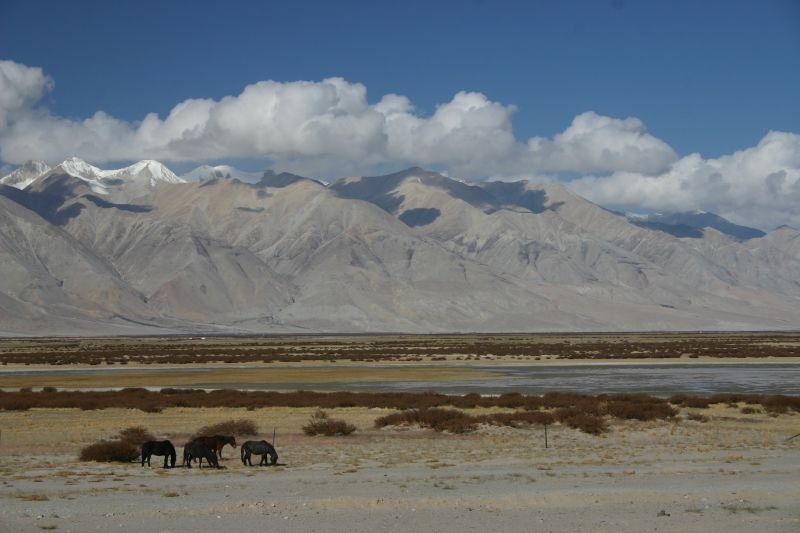
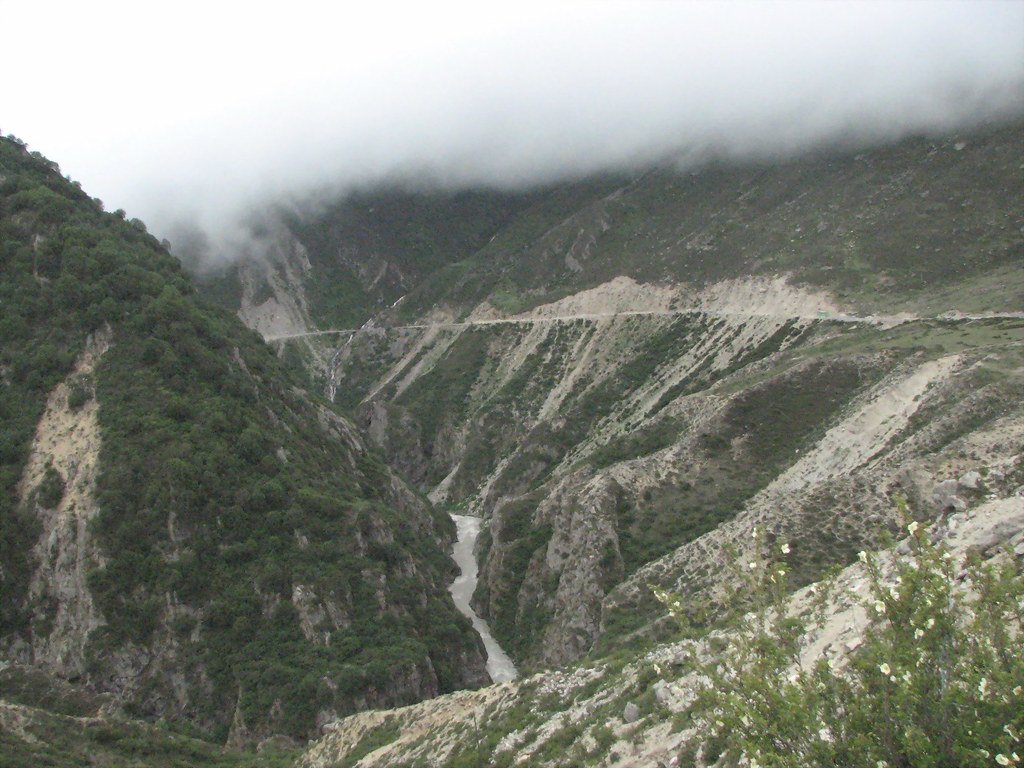
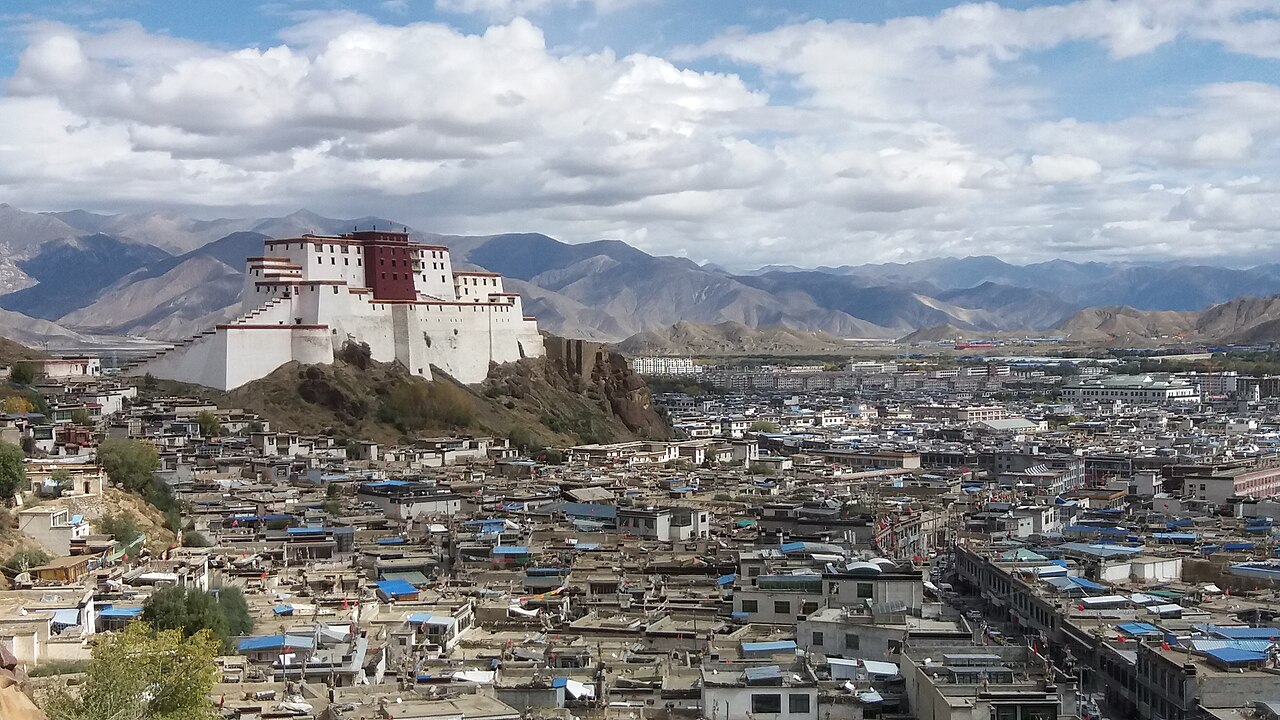
Tibet is the vast, high, thinly populated plateau at the top of the world — most of it sits above 4,000 metres, and its entire southern edge is the Himalaya. Politically it has been part of the People's Republic of China since 1951; culturally, linguistically, religiously and ethnically it is a place apart, with its own language (Tibetan), its own script, its own branch of Buddhism, and a landscape and sky unlike anywhere else on earth. For generations of Western travellers it has been a dream destination and the closest thing the world has to a real-life Shangri-La — a reputation that survives in spite of decades of political tension, controlled tourism, and rapid Chinese-led modernisation.
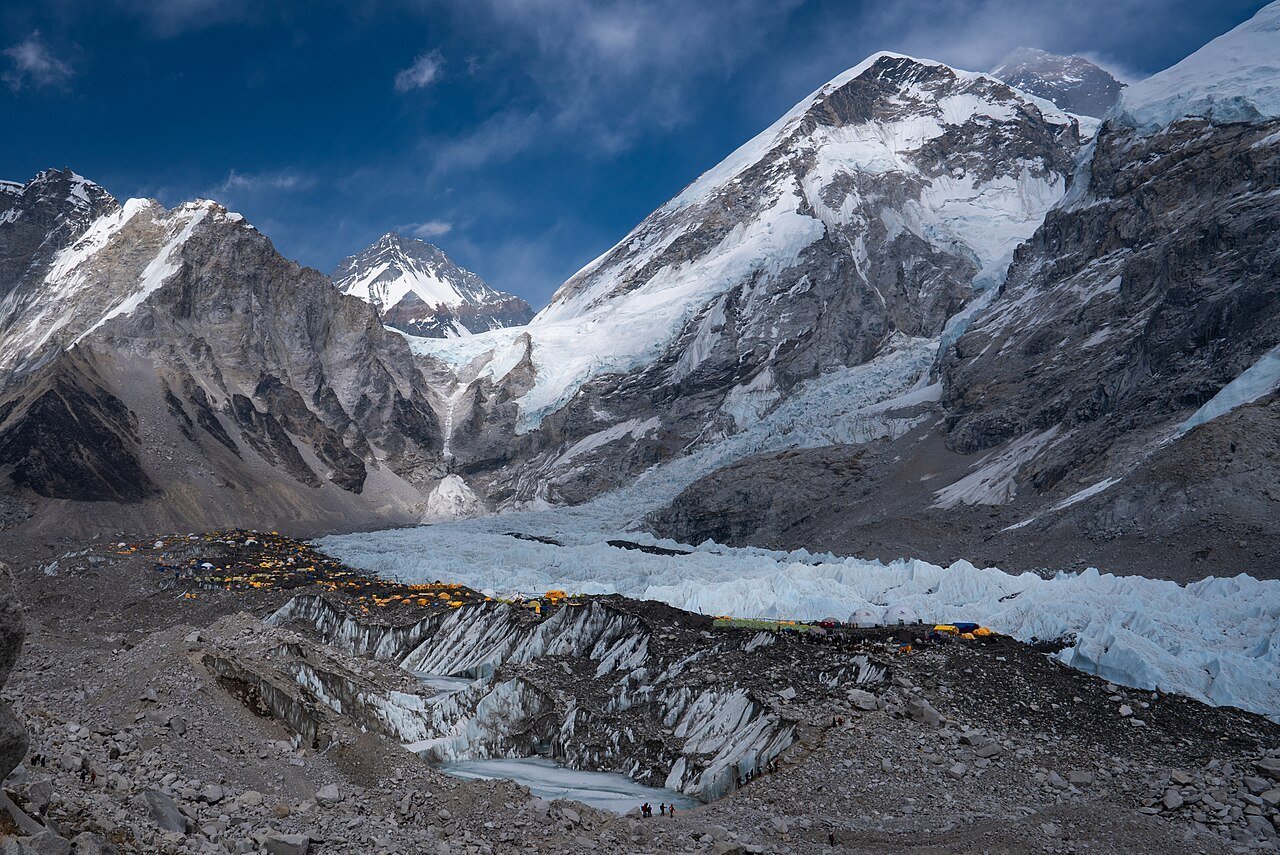
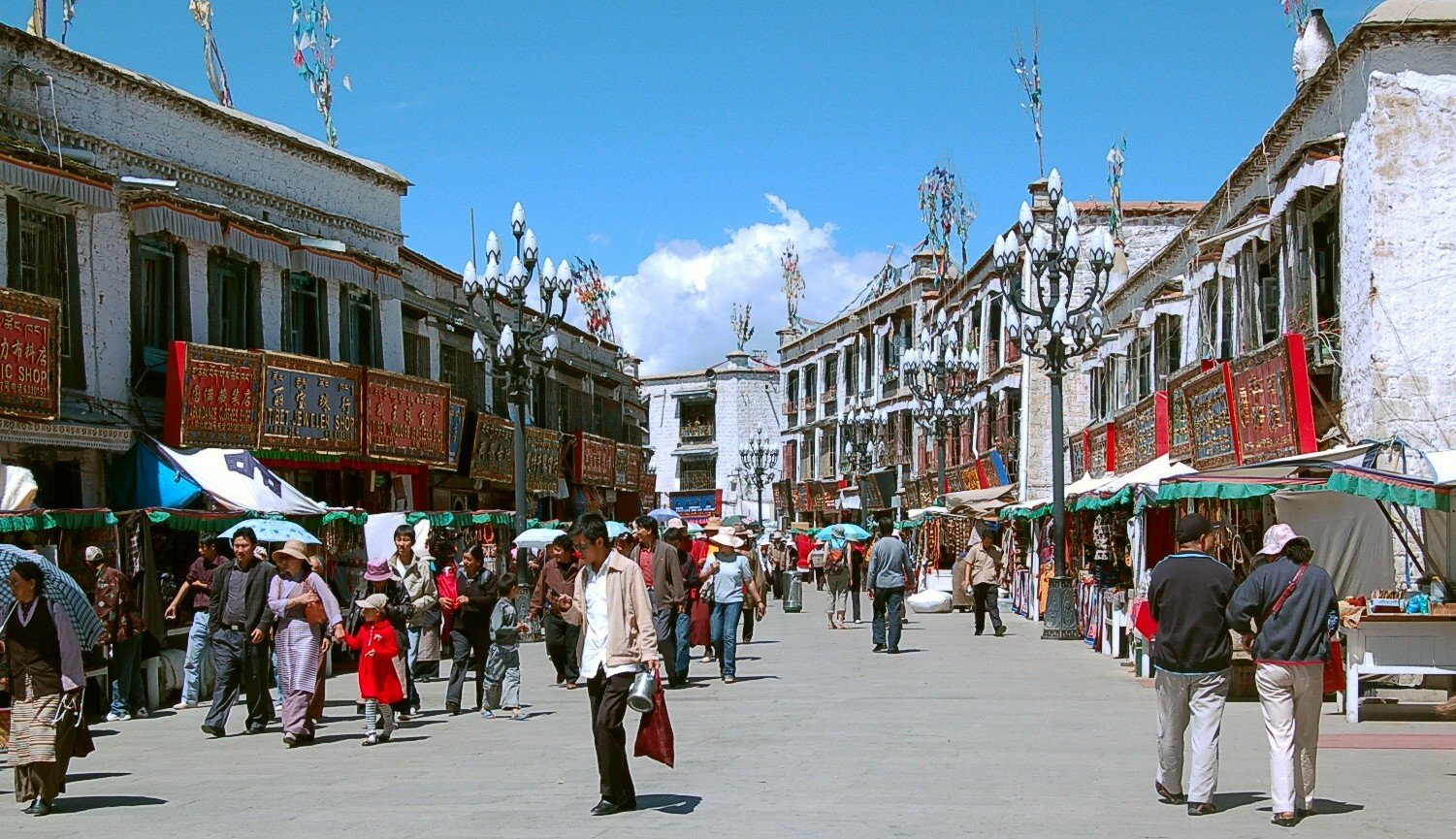
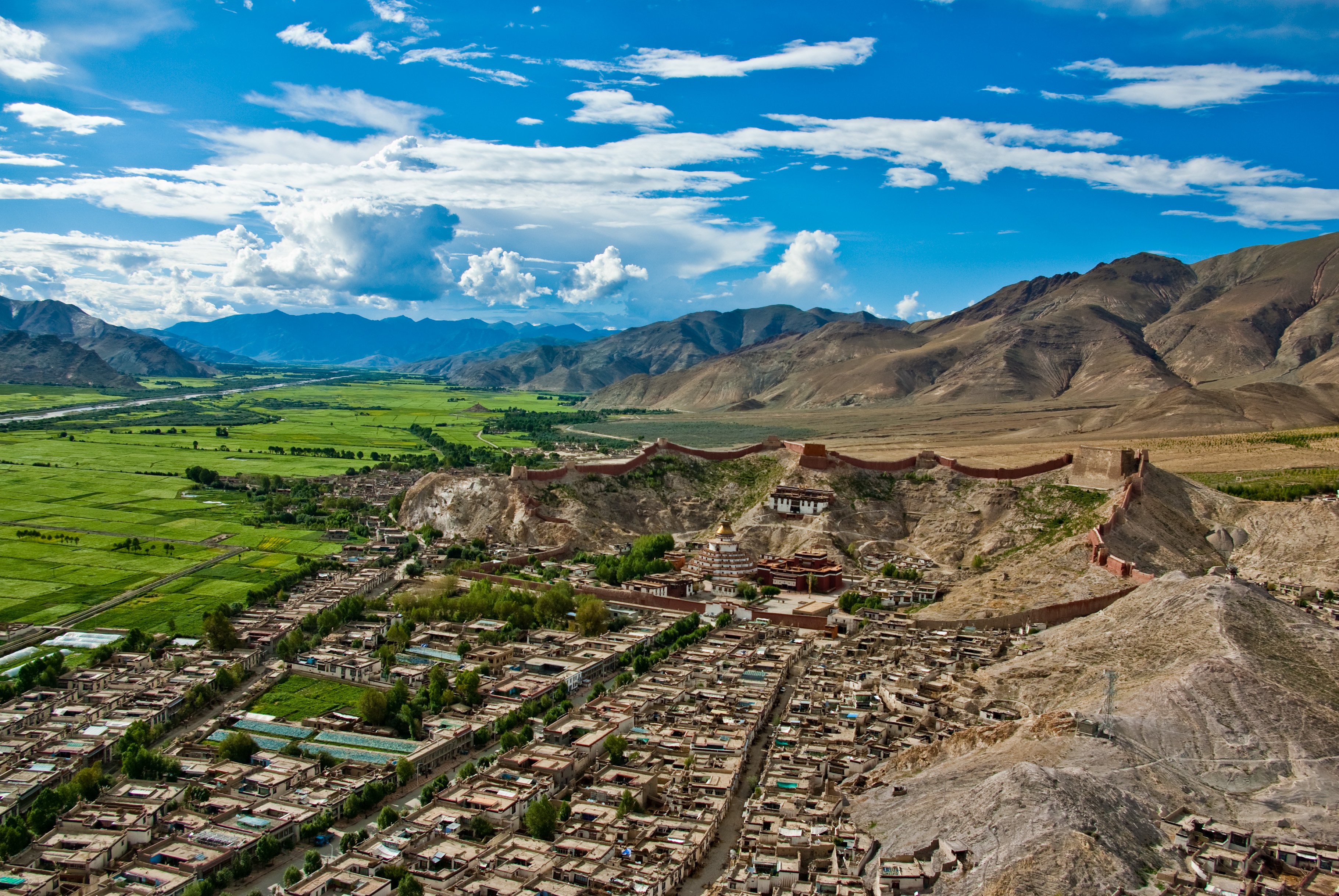
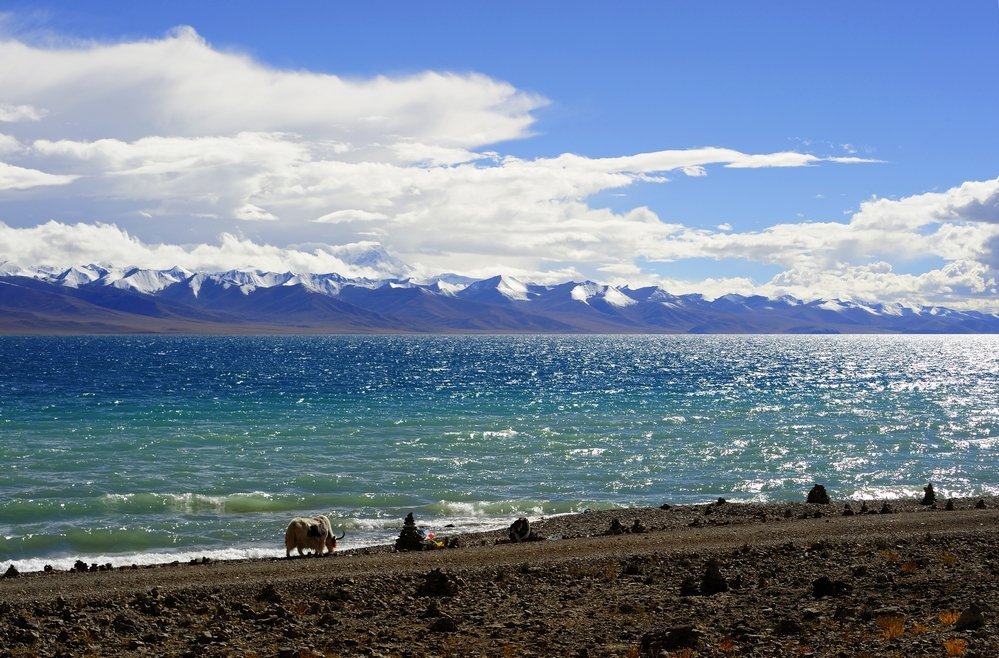
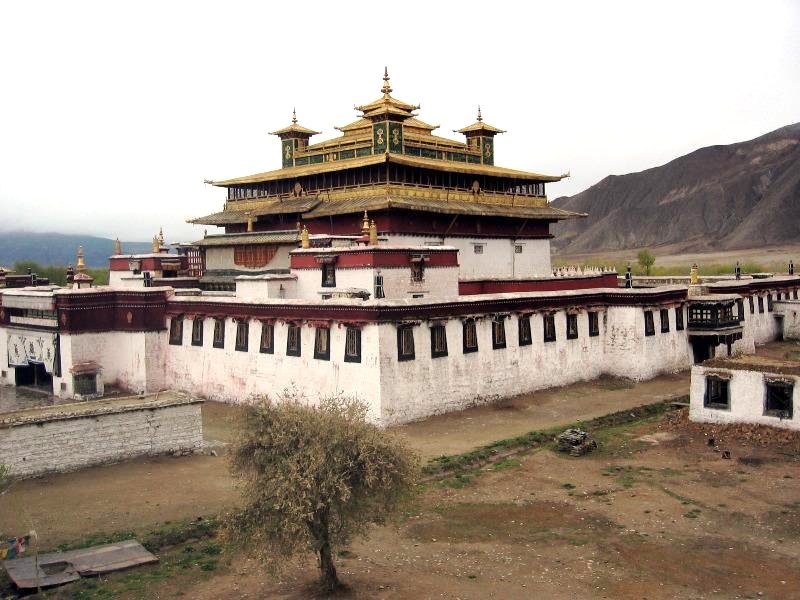
The obvious starting point is Lhasa, the traditional capital and the spiritual heart of Tibetan Buddhism — dominated by the immense Potala Palace, former winter residence of the Dalai Lamas, and by the Jokhang Temple in the old quarter, still the holiest pilgrimage site in the Tibetan world. From Lhasa, the classic overland route ("the Friendship Highway") runs west across the plateau via Gyantse (with its famous tiered Kumbum stupa), Shigatse (home of the Tashilhunpo Monastery and the seat of the Panchen Lama), and the high passes above Everest Base Camp on the Tibetan side, before crossing the Himalaya into Nepal at Zhangmu. North of Lhasa, the turquoise expanse of Namtso Lake at 4,720 m is one of the highest lakes in the world.
Travel is complicated. Foreign visitors need a Tibet Travel Permit in addition to a Chinese visa, and must travel with a licensed guide on a pre-arranged itinerary — independent travel is not permitted. Permits are granted and withdrawn at short notice depending on political conditions, and the region has been closed to foreigners more than once in recent years. Altitude sickness is a real risk: Lhasa sits at 3,650 m, and much of the rest of the plateau is higher still. Allow several days to acclimatise, drink steadily, avoid alcohol on arrival, and do not push yourself too hard in the first 48 hours.