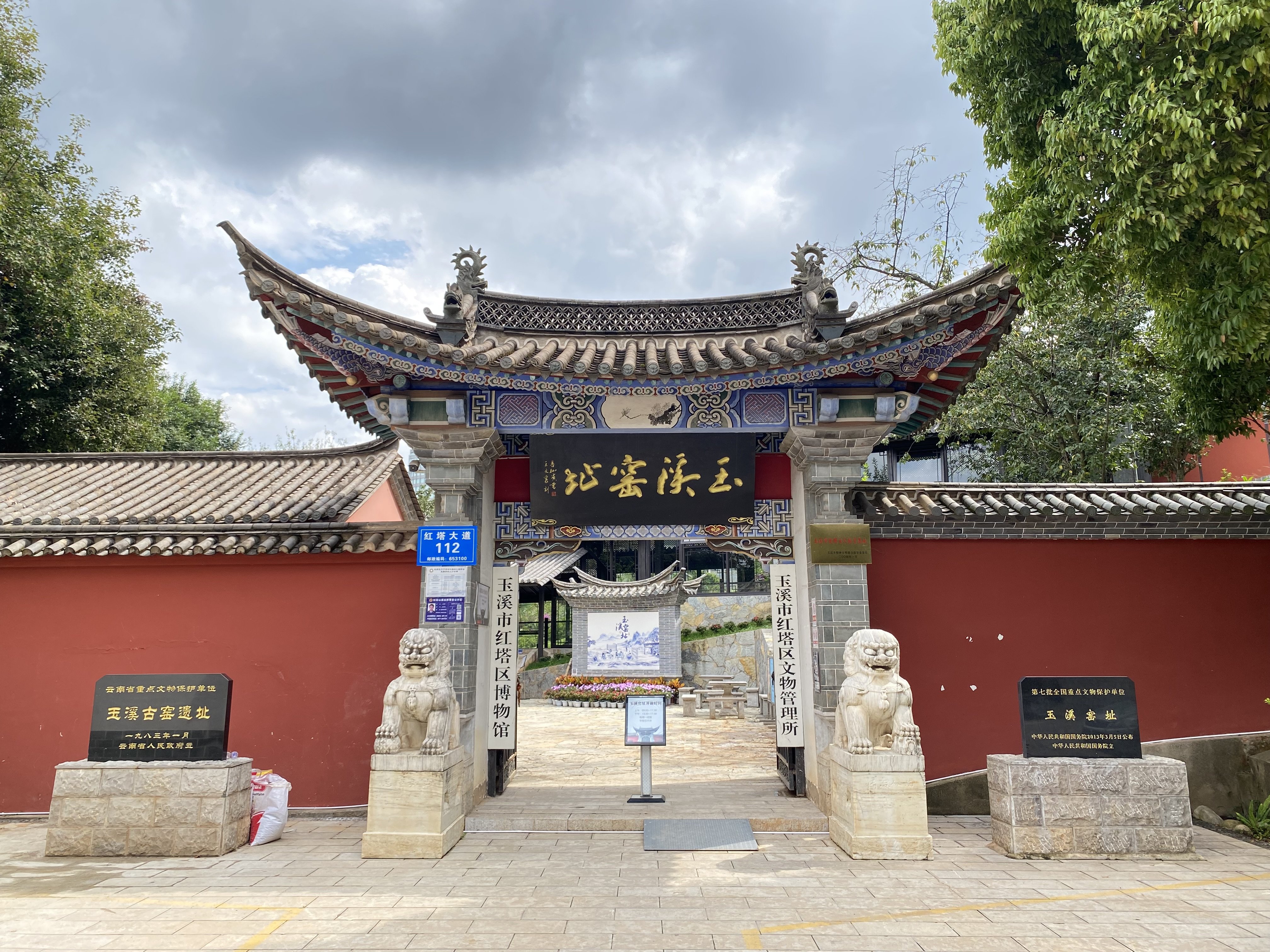
Yuxi is a mid-sized city in southeastern Yunnan, about 90 kilometres south of Kunming on the plateau, and it occupies an odd position in the regional tourist hierarchy — significant enough to anchor a prefecture of several counties, but overlooked by most foreign travellers rushing between Kunming and the more famous destinations to the northwest. Its main claim to national fame is as the birthplace of Nie Er, the composer who wrote the March of the Volunteers, which became China's national anthem. The Nie Er Memorial Park is dedicated to him with considerable civic pride.
The city is more interesting as a base than as a destination in itself. Fuxian Lake, 30 kilometres to the south, is one of China's deepest and cleanest lakes — the water clarity is remarkable by the standards of plateau lakes, which are often turbid from agricultural runoff. Xingyun Lake nearby is a contrast: shallower, warmer, reedy at the edges, popular with local families. The two lakes together offer a pleasant half-day or full day of cycling through flat lakeside countryside.
Chengjiang County, part of the Yuxi Prefecture, contains one of the world's most important Cambrian fossil beds at Maotianshan. The Chengjiang Fossil Site and Museum is UNESCO-listed and genuinely excellent — the fossils here represent soft-bodied organisms from 518 million years ago that simply don't preserve elsewhere, and the scientific significance is hard to overstate. It makes an unusual and worthwhile detour for anyone with even passing curiosity about evolution.
Yuxi's city centre has some surviving older architecture and the flat, compact layout rewards an hour on a bicycle. The local tobacco industry — Yuxi is a major cigarette producer and home to the Hongyun Honghe Tobacco Group — lends the place a prosperous, slightly somnolent air. It is, ultimately, a Chinese provincial city rather than a tourist destination, but it serves perfectly well as an affordable overnight stop between Kunming and destinations further south.