Tiantai Mountain is the birthplace of Tiantai Buddhism, the school of Chinese Buddhism founded here in the sixth century that would spread across East Asia to Japan and Korea. The mountain rises to 1,138 metres in Taizhou prefecture, and the forest and waterfall scenery would be worth visiting on its own terms, but what sets the mountain apart is Guoqing Temple, one of the oldest and most historically significant monasteries in China. The temple was founded in 598 CE and has been renovated many times since, but retains the feel of an active monastery rather than a museum — monks in grey robes cross the courtyards, incense fills the halls, and pilgrims from Japan and Korea come specifically to trace the origins of their own Buddhist traditions.
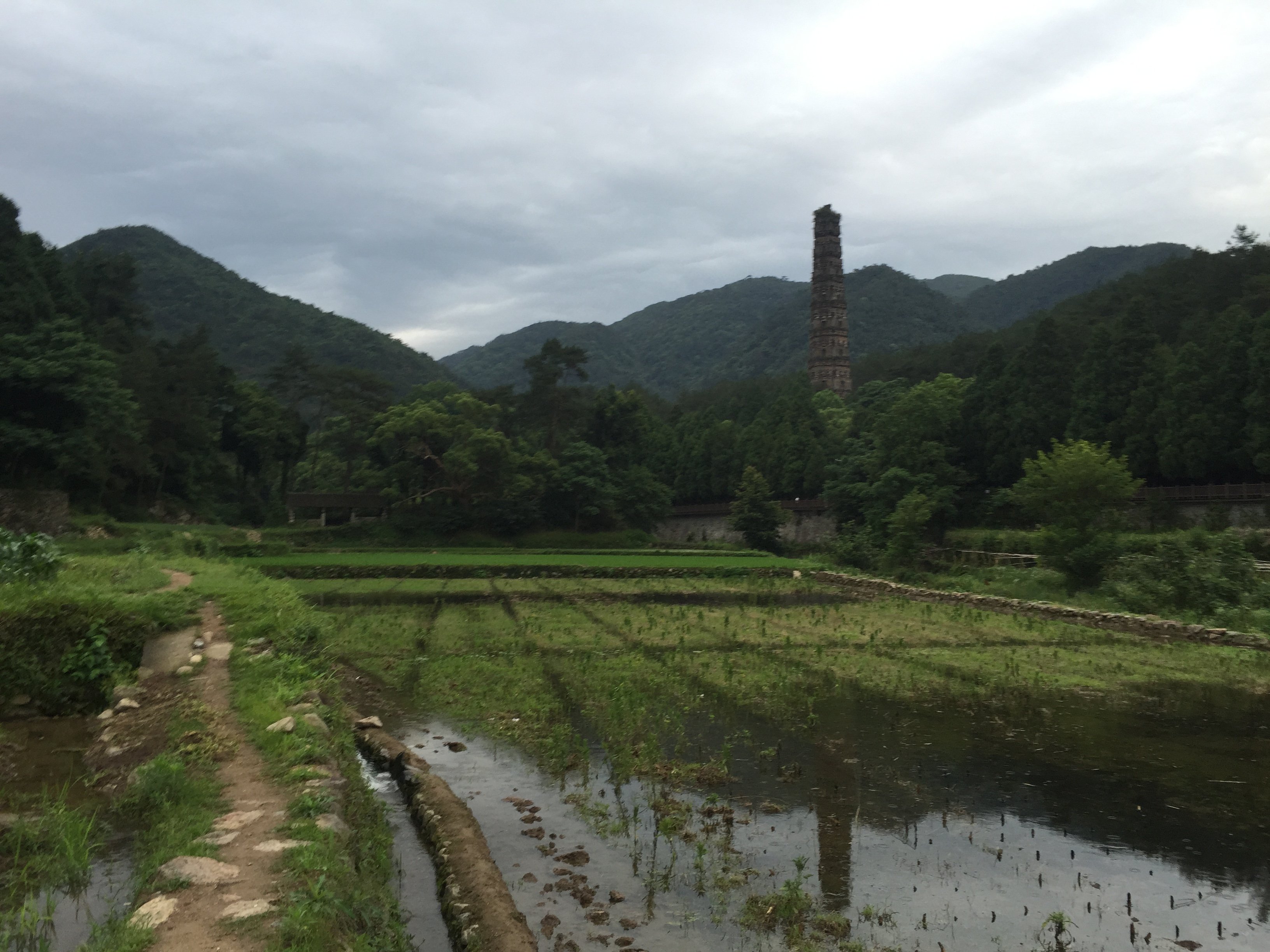
The temple compound is substantial, with multiple halls built along the slope of the mountain in the Tang-dynasty style, and a Sui-dynasty pagoda that predates the temple itself still standing on the ridge above. The surrounding forest is old-growth in places, and the paths leading further up the mountain pass Shiliang Waterfall and Gaoming Temple before reaching Huading Peak, the summit plateau where the views extend across the Zhejiang hills to the coast on clear days.
Tiantai is easily reached by high-speed rail and makes a natural stop between Hangzhou and Wenzhou for travellers moving south along the coast. It receives far fewer foreign visitors than the province's headline attractions, which is one of its merits. The town below the mountain is functional rather than charming, but the monastery and the walk up through the forest above it reward a full day.