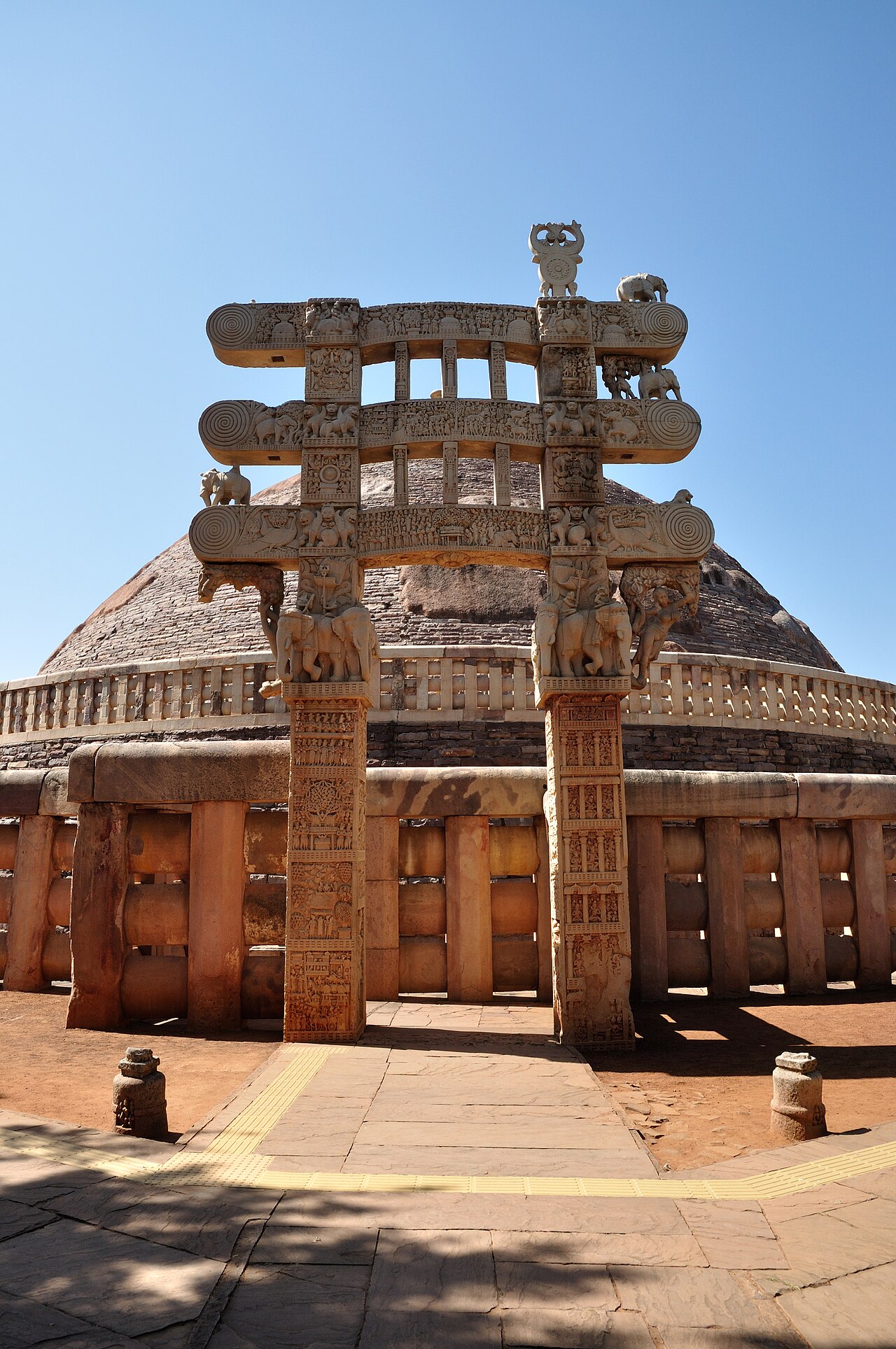
Madhya Pradesh — "the middle state" — is the geographic heart of India and, after the split-off of Chhattisgarh in 2000, still its second-largest state. For all its size it is strangely under-visited, which is part of the appeal. Two of India's best tiger reserves, a World Heritage Site of erotic temple carvings, and the stupas at Sanchi — one of the oldest standing structures in the subcontinent — are all here, with a fraction of the crowds of Rajasthan or Uttar Pradesh.
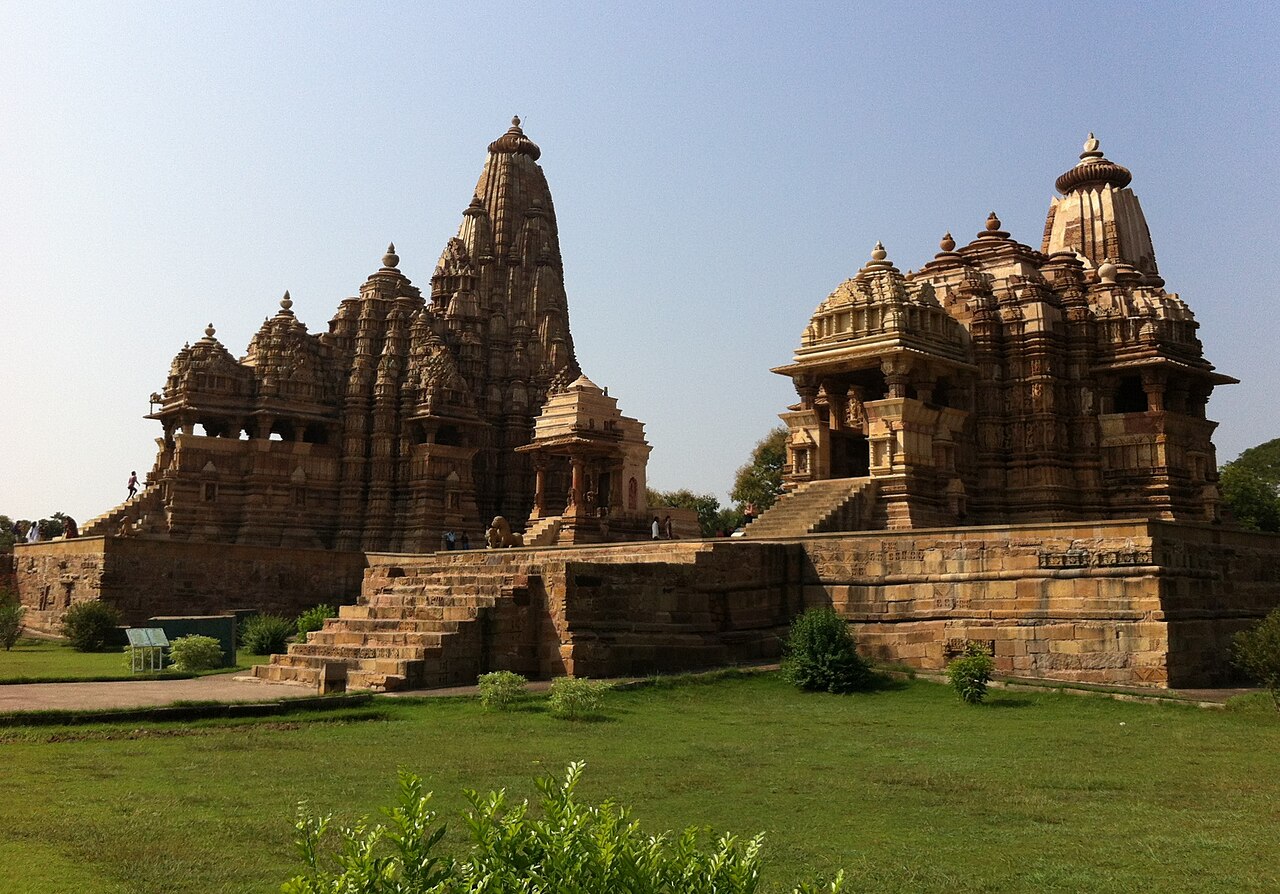
The star attraction is Khajuraho, whose cluster of 10th-century temples is a UNESCO World Heritage Site. Only a small portion of the carvings are the famous erotic friezes, but they are extraordinary — the rest is equally fine Chandela-era stonework in a garden setting. Khajuraho is isolated but has its own airport and is easily reached as a two- or three-day stop.
The capital Bhopal, with its parks, lakes, and Taj-ul-Masajid (one of the largest mosques in India), is a good base for exploring Sanchi — a Buddhist site where Emperor Ashoka built the Great Stupa in the 3rd century BC. The site remains one of the most atmospheric historic landscapes in India.
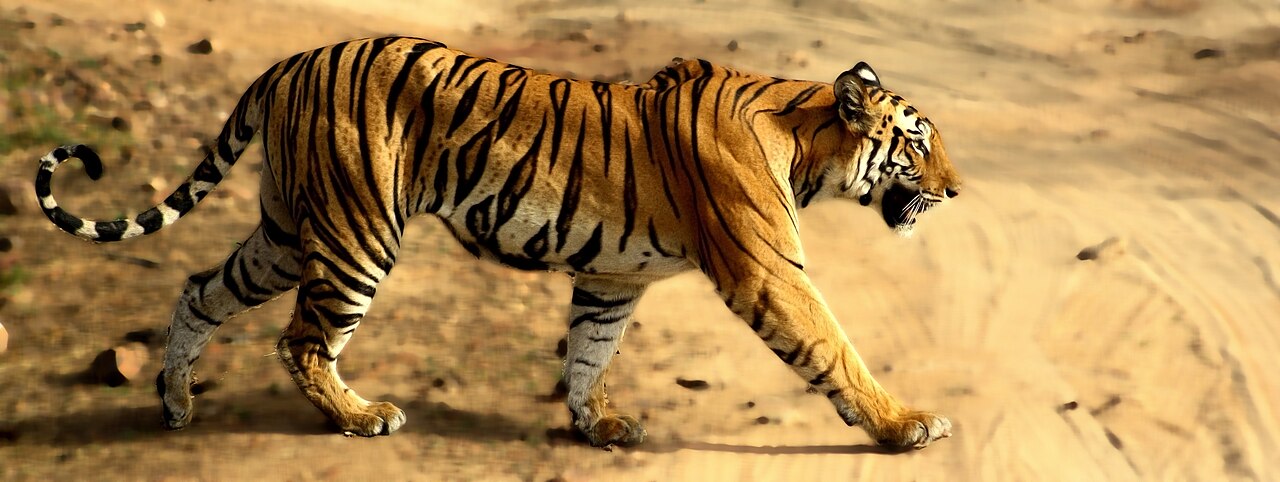
For wildlife, Bandhavgarh and Kanha national parks in the east of the state have the highest tiger-spotting success rates in India. Jeep safaris run in winter (October–June); accommodation near the park gates ranges from basic forest rest-houses to very expensive lodges. Bandhavgarh is smaller and busier; Kanha is larger and feels wilder.
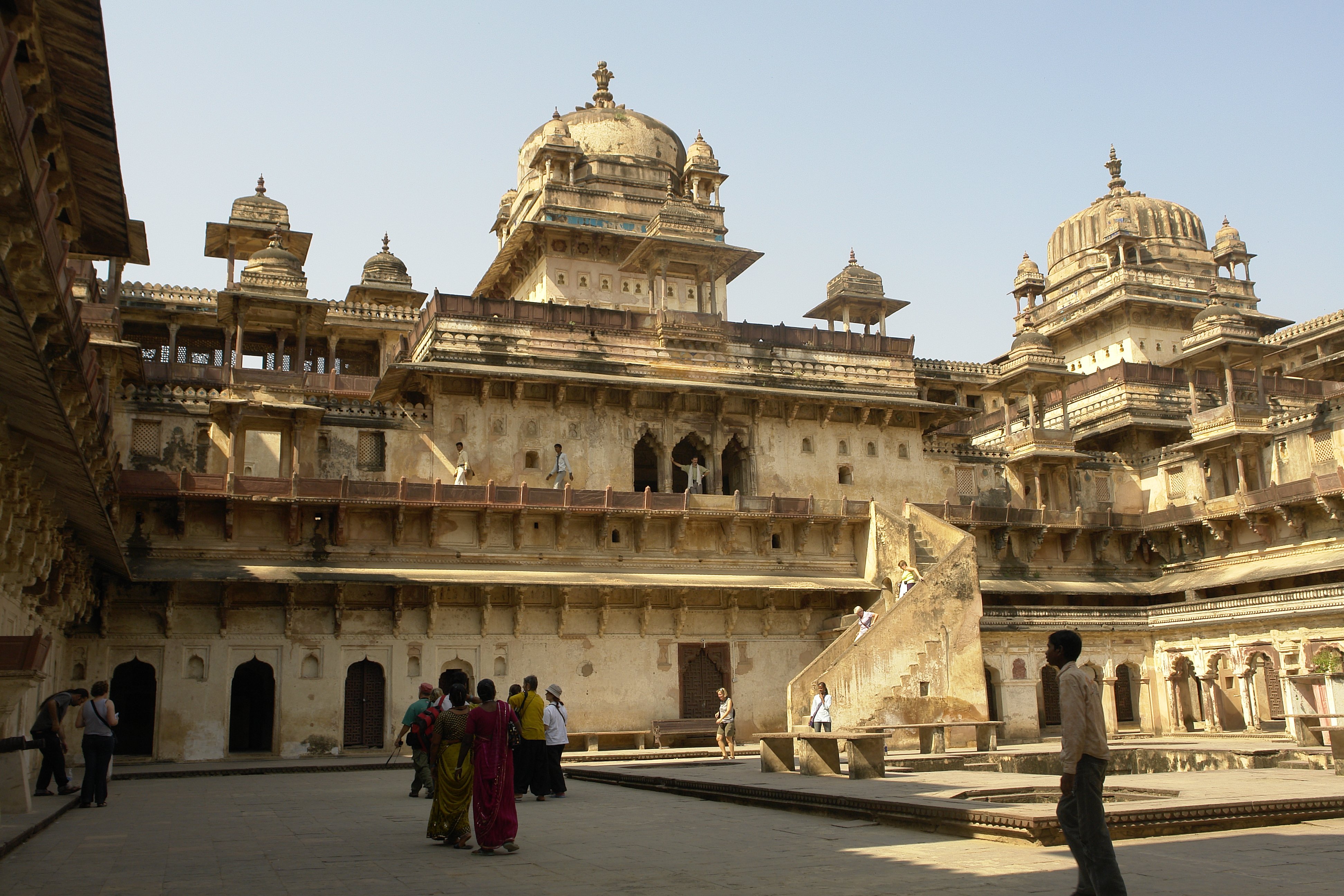
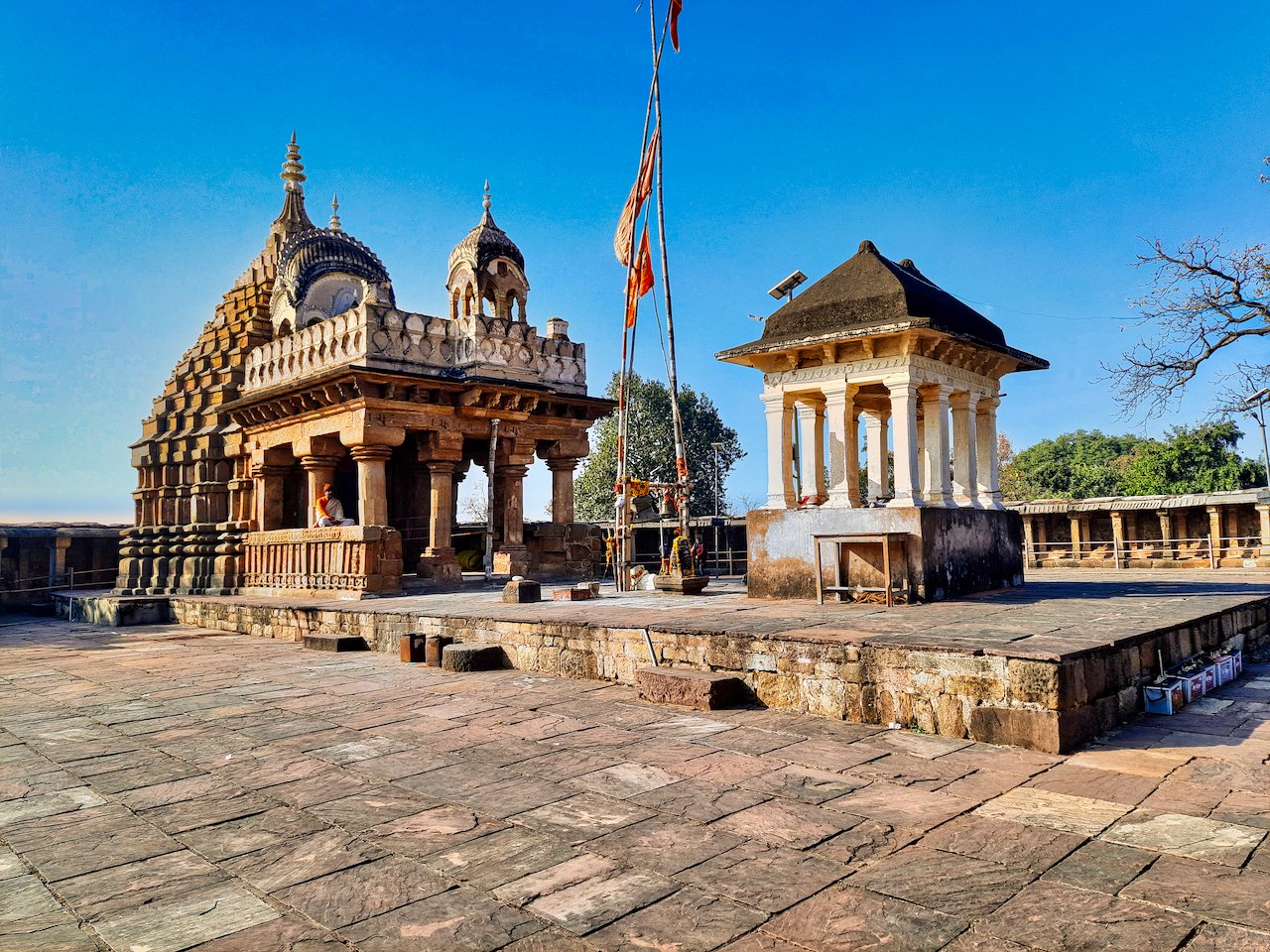
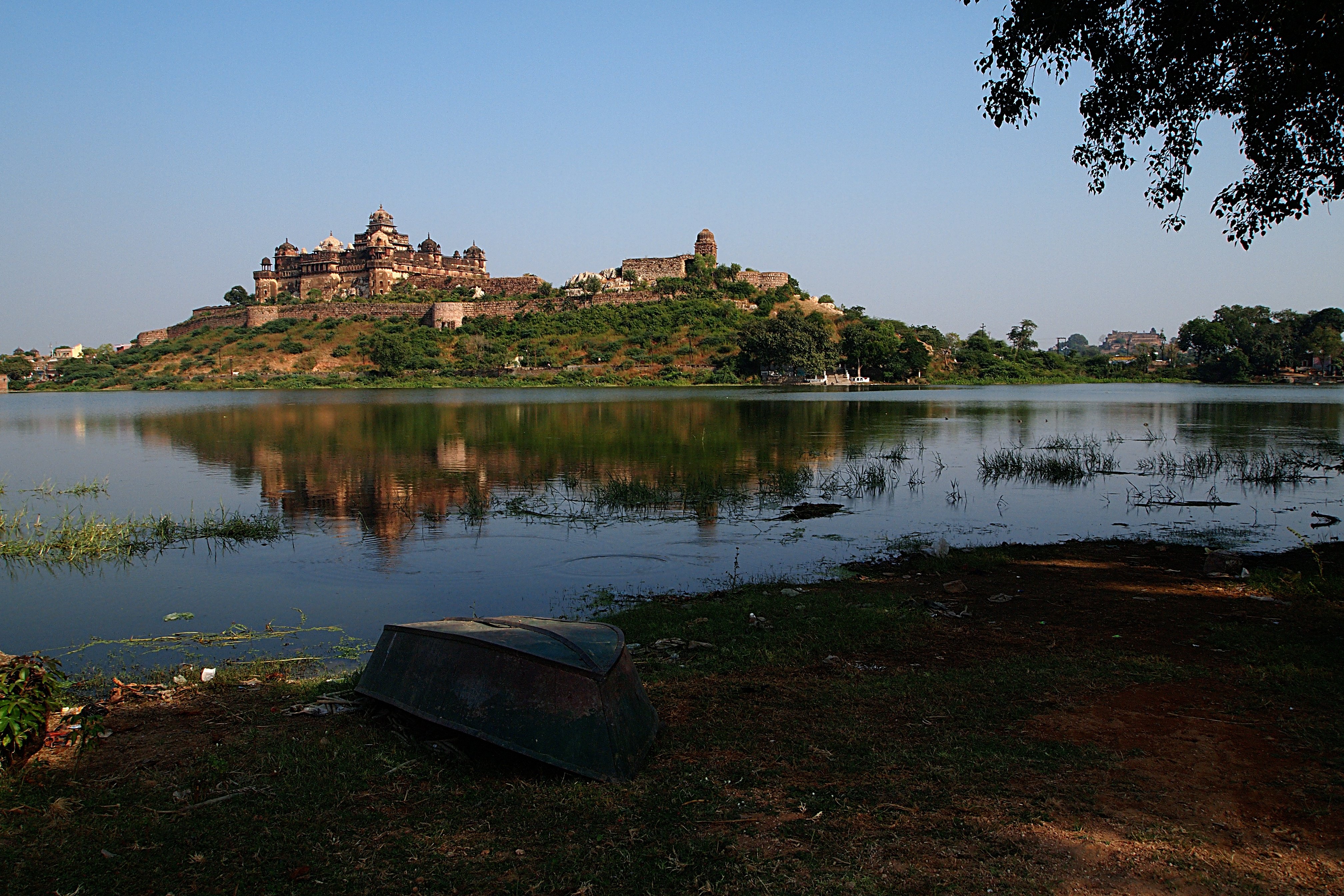
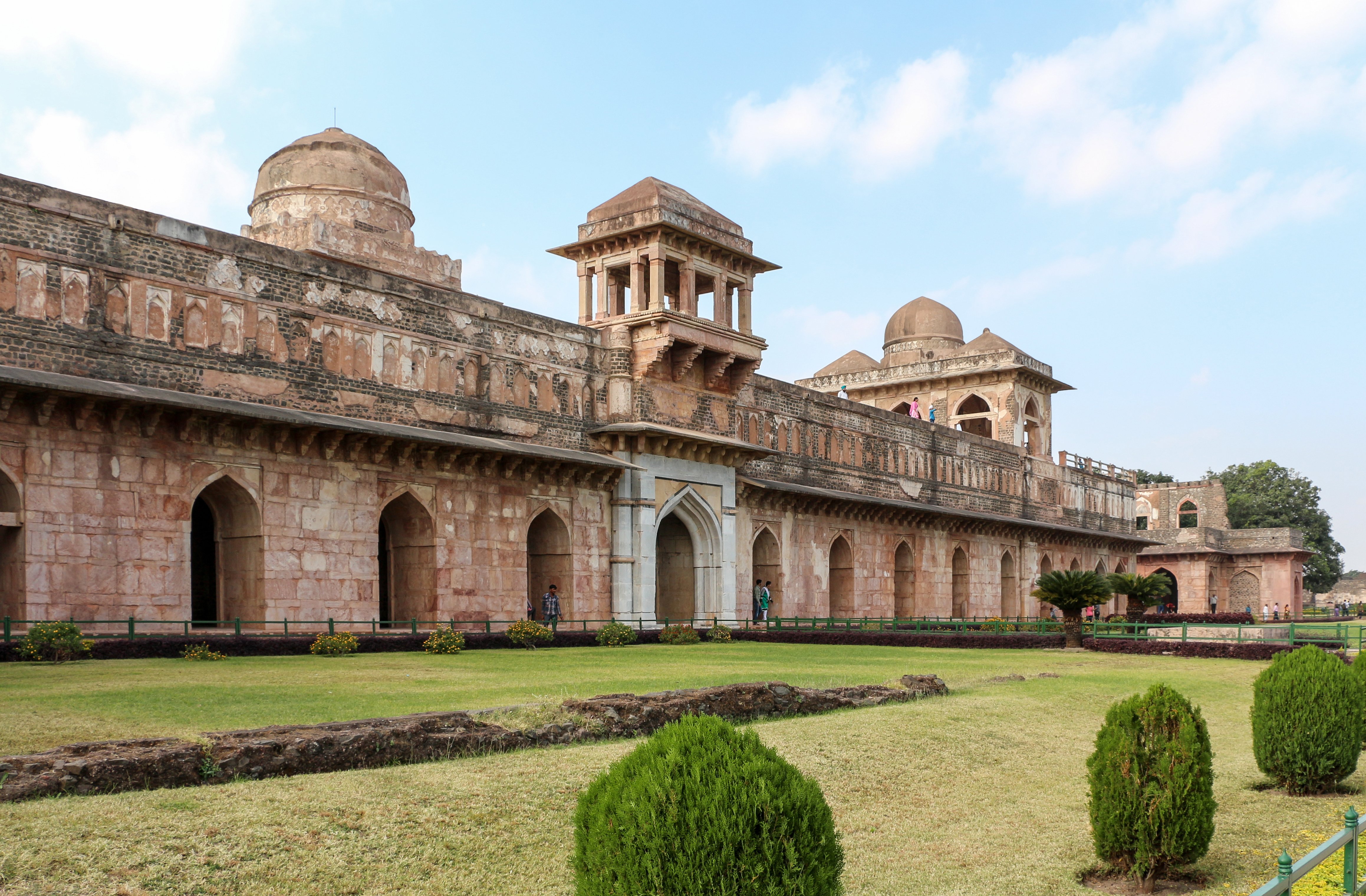
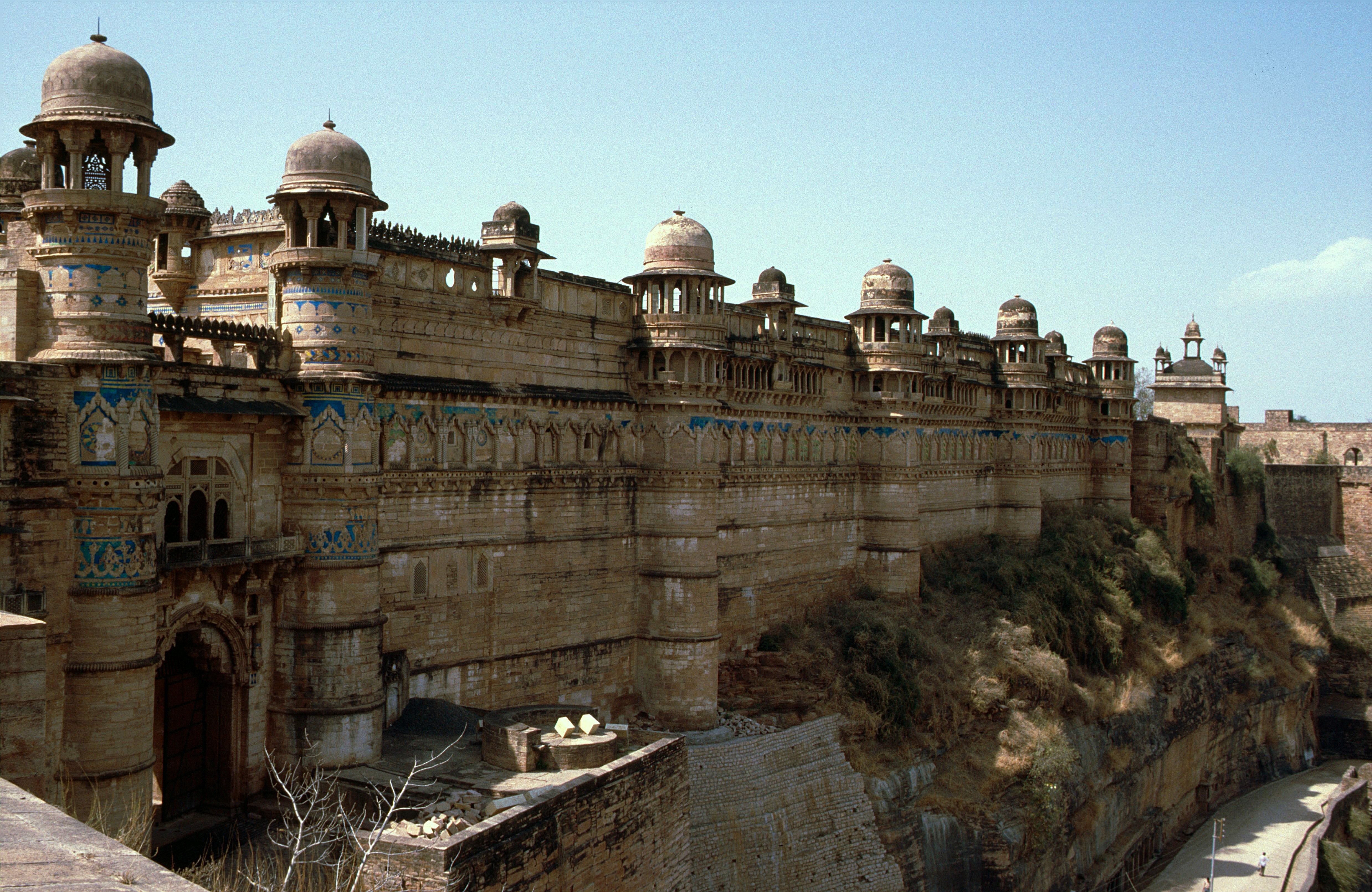
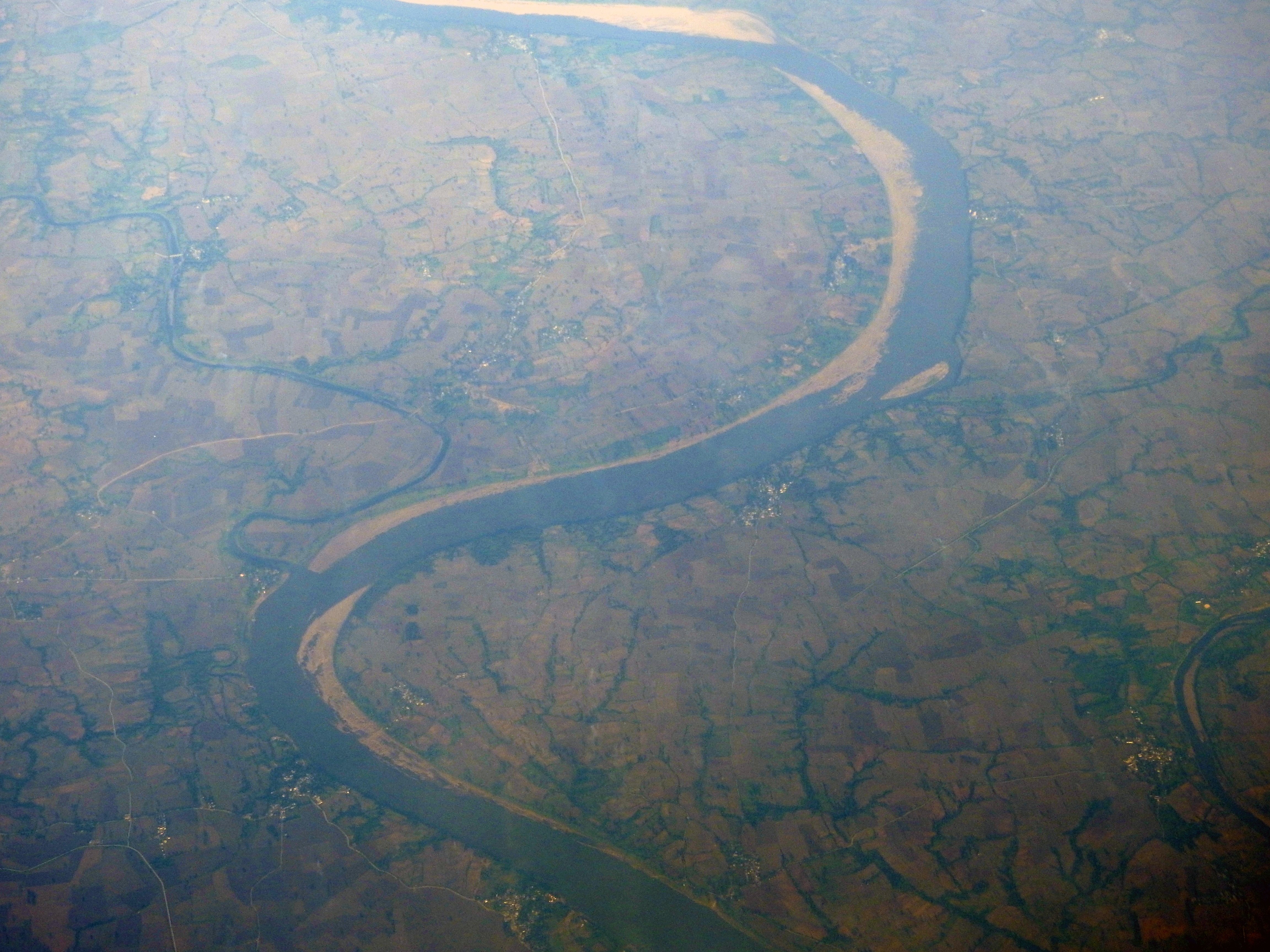
In the west, the abandoned hill-fort city of Mandu — a 15th-century Afghan-architecture capital on a plateau above the Narmada valley — is one of the great off-the-beaten-track sights of India. The fort of Gwalior in the north and the ruined temples of Orchha are also worth the detour.