Samarinda is the provincial capital of East Kalimantan and a major river port on the Mahakam River. The city of around 800,000 people is the main starting point for travel into the Bornean interior — the Mahakam valley, with its Dayak longhouses, lake communities, and dense rainforest, begins effectively at Samarinda's docks.
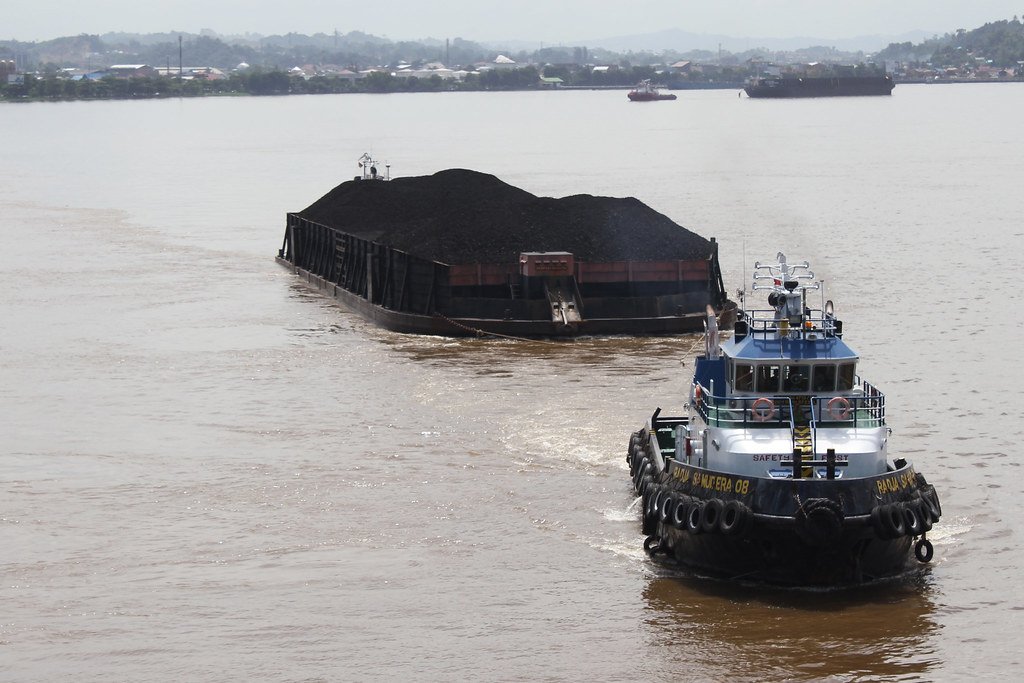
The city itself sits on both banks of the Mahakam, which is broad and busy with traffic: coal barges, passenger ferries, longboats, and the occasional luxury houseboat heading upriver. The waterfront near the Masjid Raya Darussalam is the most atmospheric part of town, with food stalls and fishing boats at dusk. The Islamic Centre of Samarinda — a strikingly large mosque visible from the river — is the city's architectural landmark, completed in the 2000s and now one of the largest mosques in Southeast Asia.
Beyond the waterfront, Samarinda is a practical city rather than a scenic one. Coal mining and timber have made it prosperous, and the main interest for travellers is less the city itself than the Mahakam corridor that begins here. The Pampang Cultural Village on the northern edge of the city offers a window into Dayak culture without needing a boat ticket. The Pasar Pagi is the liveliest introduction to the city's rhythms — produce, spices, river fish, and rattan goods from upriver communities. The award-winning Citra Niaga market is worth seeking out for its architecture and for sarung Samarinda, the city's celebrated handwoven textile.
Samarinda is also becoming a significant waypoint for travellers headed to Balikpapan or the new Indonesian capital Nusantara, located in East Kalimantan about 120 kilometres south. A half-day trip to Tenggarong — the former Kutai royal capital — adds historical depth to any stay.