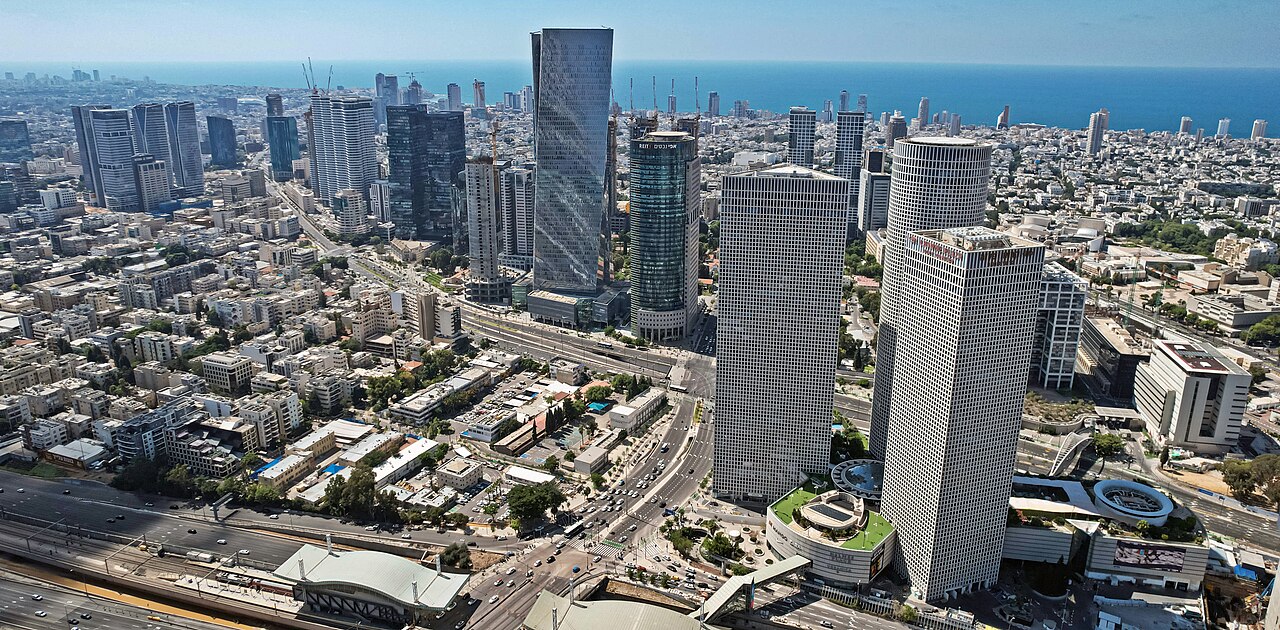
Tel Aviv is the most modern and westernised city in Israel, and deliberately, defiantly so. Jerusalem is the religious and political capital; Tel Aviv is the party capital, the beach capital, and the capital of Israeli secular life. Walking the streets at night — past sidewalk cafes, bars running until 5am, and the steady thump from clubs on Lilinblum Street — it is difficult to believe you are in the holy land at all.
The city was founded in 1909 on the sand dunes north of the ancient Arab port of Jaffa. Jaffa has now been absorbed into the greater city, and it remains the most atmospheric quarter: old stone buildings, a working harbour, a tangle of narrow streets, and galleries and boutiques mixed in with the old Arabic city's bones. North of Jaffa the Neve Tzedek neighbourhood preserves some of the oldest streets in Tel Aviv, with Tuscan-style houses and quiet alleys. The leafy Rothschild Boulevard, lined with some of the finest Bauhaus architecture in the world (Tel Aviv is a UNESCO World Heritage Site for its White City of International Style buildings), connects the old south with the commercial centre.
The beach runs along the whole western edge of the city. It is free, it is busy, and on warm evenings the whole city seems to be on it. Sheinkin Street, the Shuk HaCarmel market, and the Azrieli malls take care of shopping. The food scene is as varied as the population — falafel and hummus alongside serious French-influenced restaurants and every other cuisine in between.