Jerusalem is one of the oldest and most contested cities on earth — sacred to Judaism, Christianity, and Islam, and at the centre of a political dispute that has not been resolved. The UN voted in 1947 to place the city under international administration; no party accepted this. West Jerusalem came under Israeli control in 1948; East Jerusalem, including the Old City, was occupied by Israel in 1967. The status of the city remains disputed, and the de facto Israeli annexation of East Jerusalem has not been recognised by most of the international community.
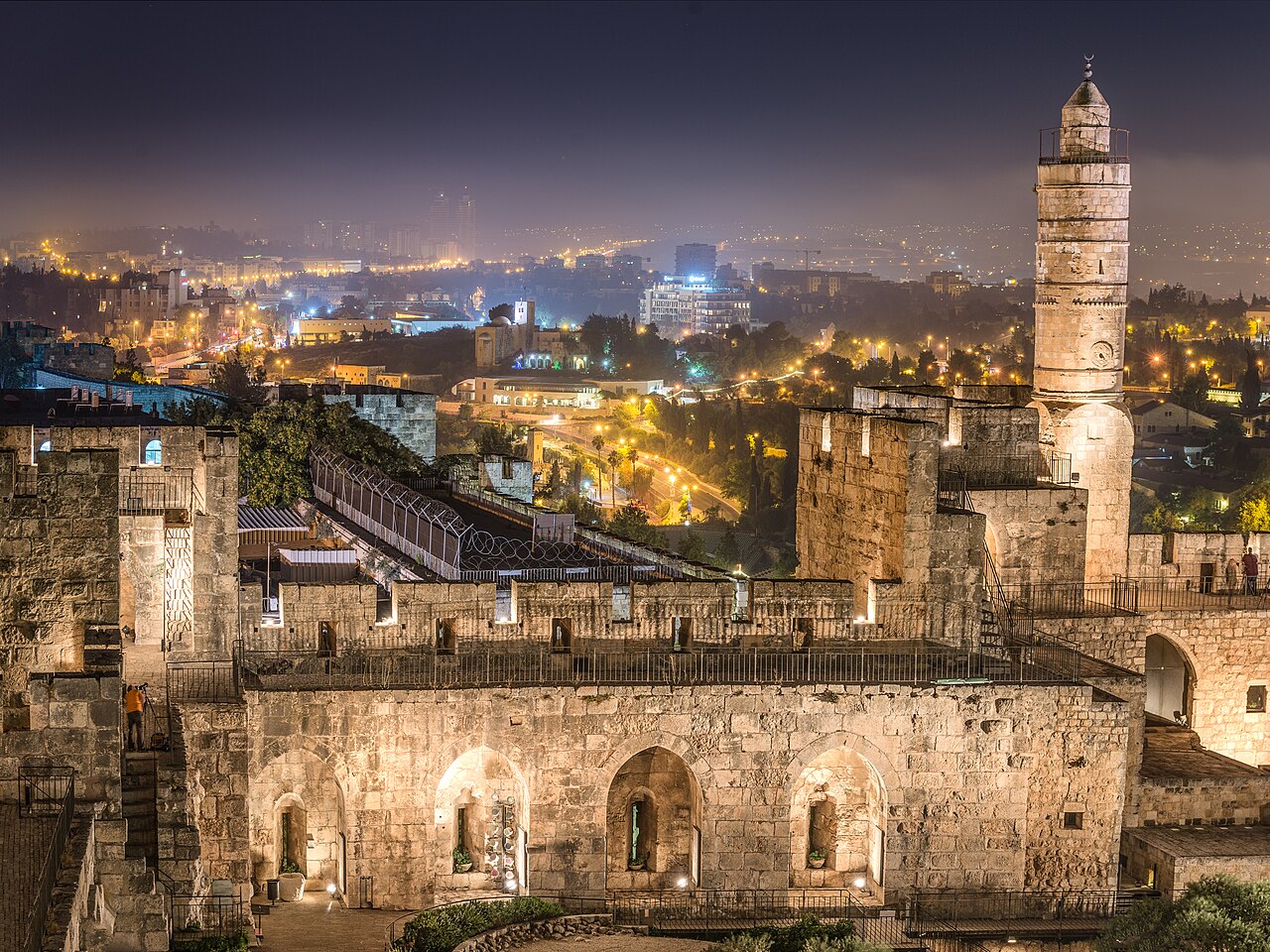
The Old City contains the Western Wall, the Church of the Holy Sepulchre, and the Al-Aqsa Mosque and Dome of the Rock — all within walking distance of each other, inside one square kilometre of Ottoman walls. Outside the walls, the Mount of Olives, Garden of Gethsemane, and City of David are short walks from the Old City gates, while the Israel Museum and Yad Vashem are in West Jerusalem.
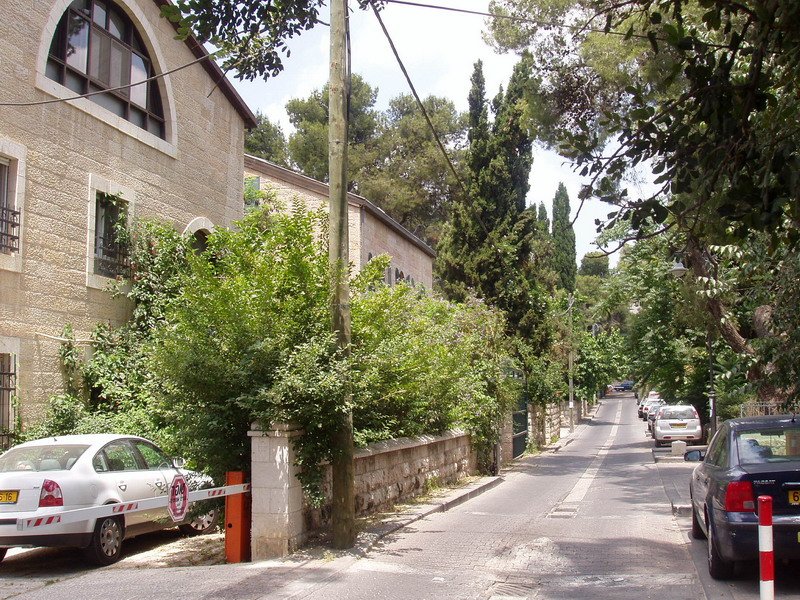
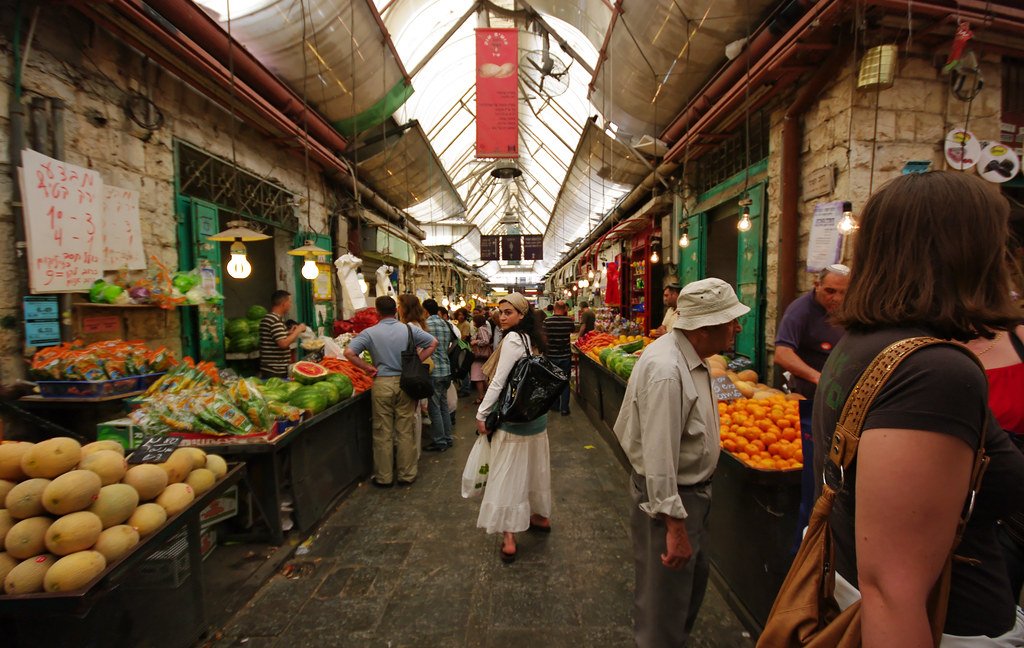
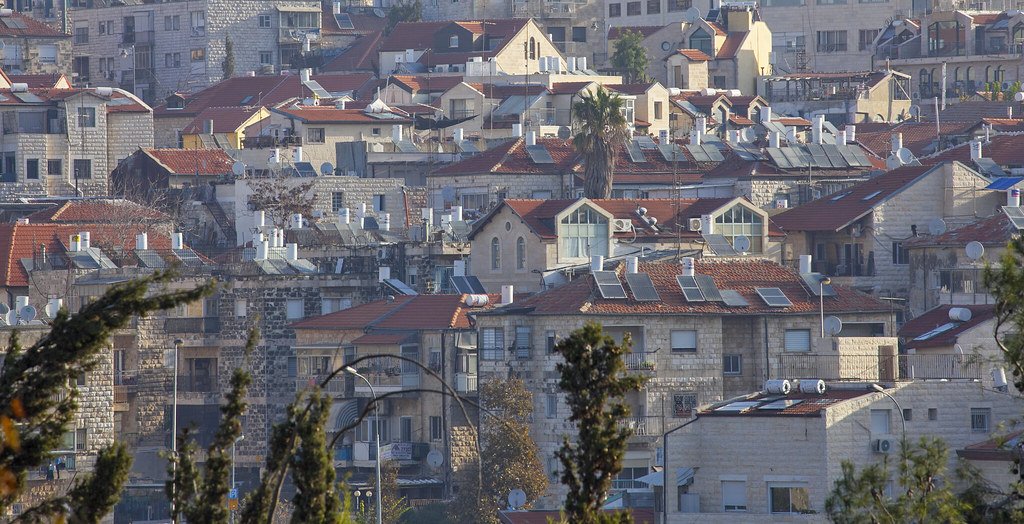
The city has distinct neighbourhoods beyond the Old City's four quarters. Mahane Yehuda — the shuk — is Jerusalem's most energetic neighbourhood, a covered market that transforms into a bar district after dark. Nachlaot, adjacent to the shuk, is a tangle of alleys and hidden courtyards. The German Colony along Emek Refaim Street has the city's best café scene. Meah Shearim, a short walk north of the city centre, is the ultra-Orthodox quarter where Yiddish is the everyday language and 18th-century Eastern European Jewish life continues intact. Ein Kerem, at the city's western edge, is a stone-lane village identified with the birthplace of John the Baptist.
Give the city at least three full days. A week is not too long for anyone serious about understanding what they are seeing. For country-level context, see the Israel section.