Be'er Sheva (Beersheba) is the capital of the Negev — a university city, military center, and the main transport hub for Israel's south. It's not a conventional tourist destination, but it's a useful base for exploring the Negev desert and has a few things worth seeing in its own right.
The Old City has buildings from the Ottoman period that have been partially restored, including the Great Mosque now serving as a museum and the beautifully kept Negev Museum of Art. The Bedouin market, held on Thursdays, is smaller than it once was but still an authentic slice of regional life. Ben-Gurion University brings a student population that keeps the city livelier than its utilitarian reputation suggests.
Be'er Sheva is notable as a chess city — it has produced more grandmasters per capita than anywhere in the world, largely due to the large wave of Soviet Jewish immigration in the 1990s.
The Ottoman Railway Station and Atatürk Plaza add unexpected layers of history — memorials to the 1917 Battle of Beersheba that turned the tide of the First World War in this region. Abraham's Well in the Old City commemorates the story that gave the city its name.
From Be'er Sheva, buses and shared taxis reach Mitzpe Ramon, the Dead Sea, and Eilat. The train line connects north to Tel Aviv. It's 80 km from Jerusalem.
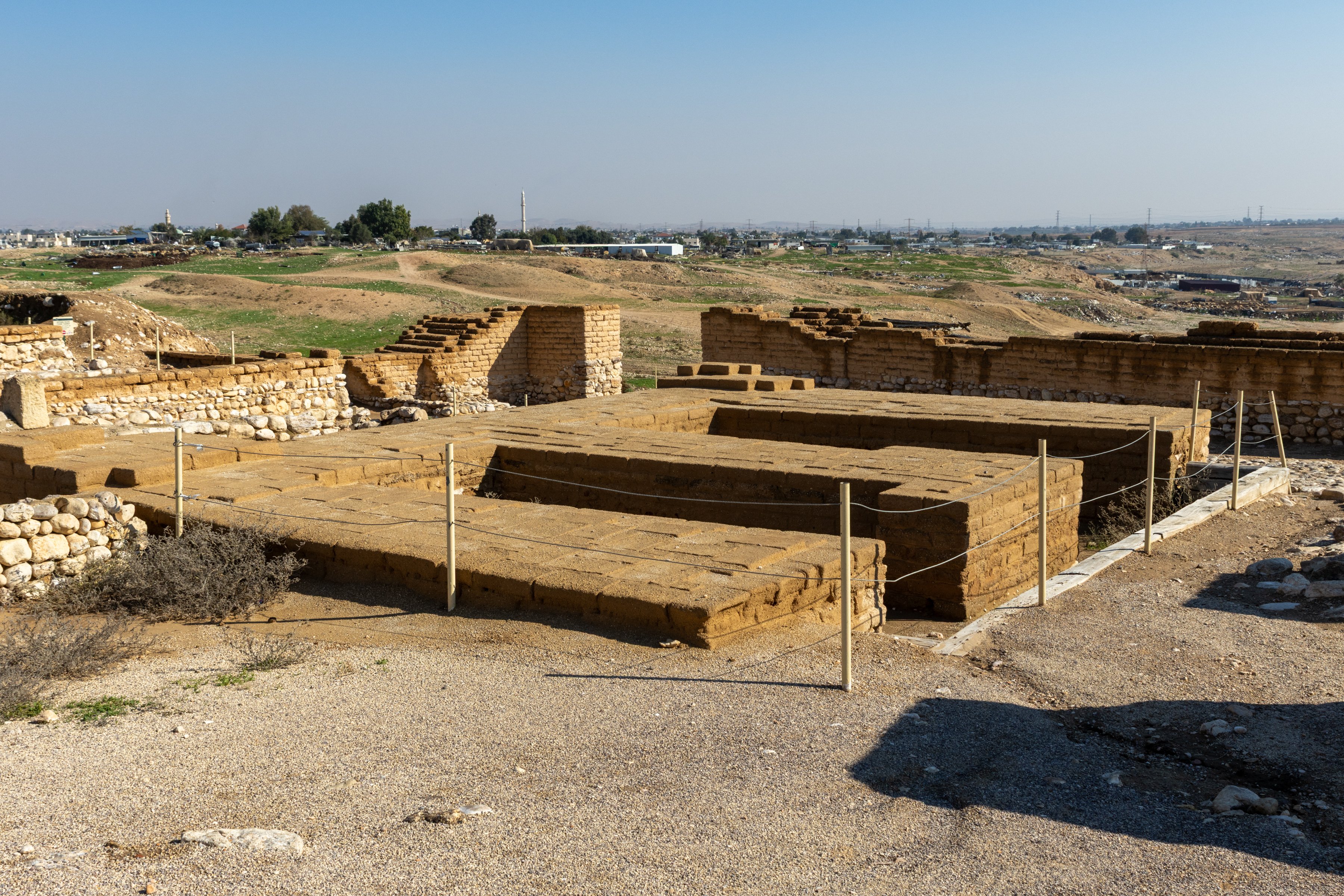
The biblical Be'er Sheva — mentioned in connection with Abraham, Isaac, and the patriarchs — is at Tel Be'er Sheva, a UNESCO-listed archaeological site a few kilometers east of the modern city.