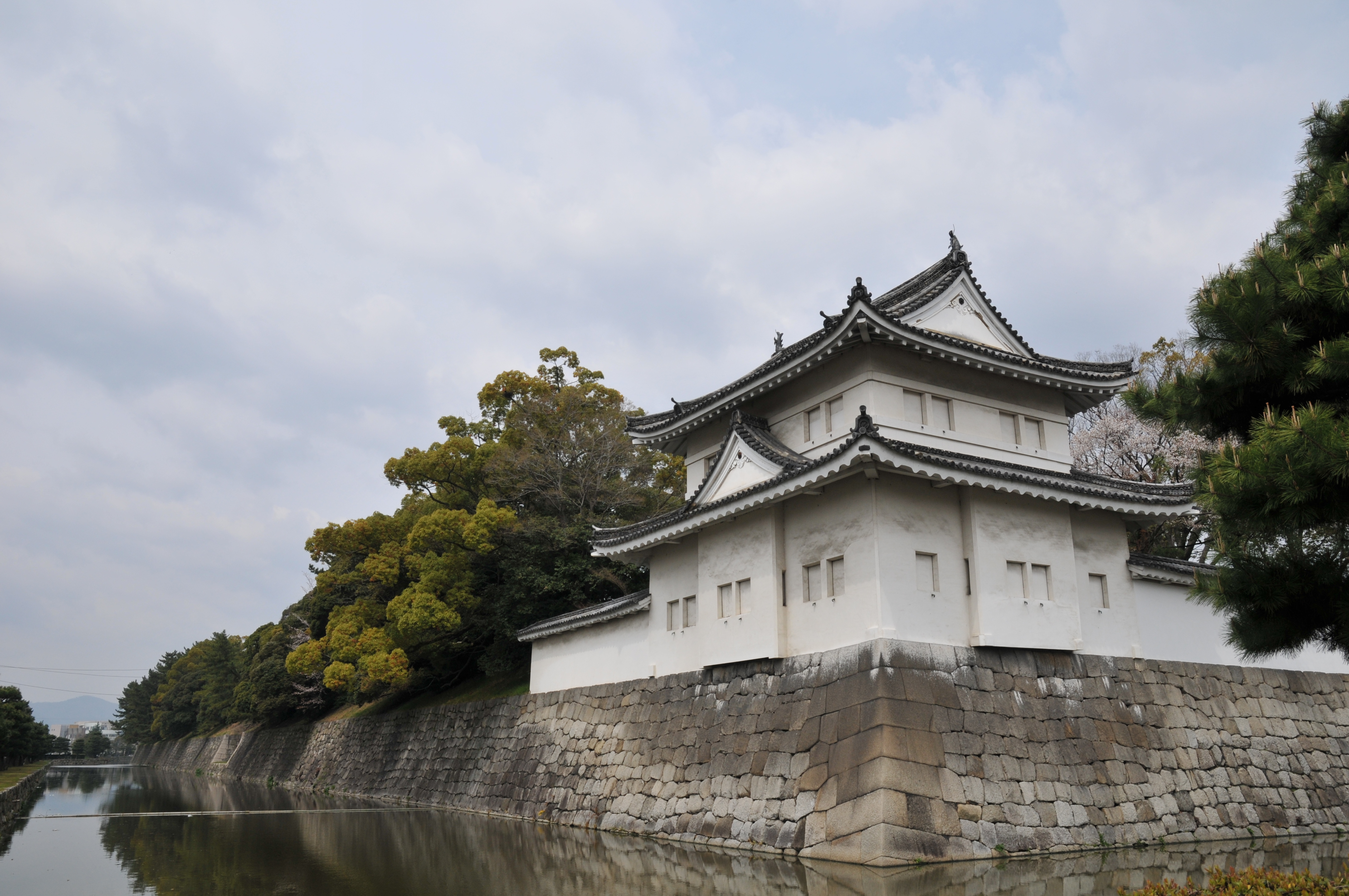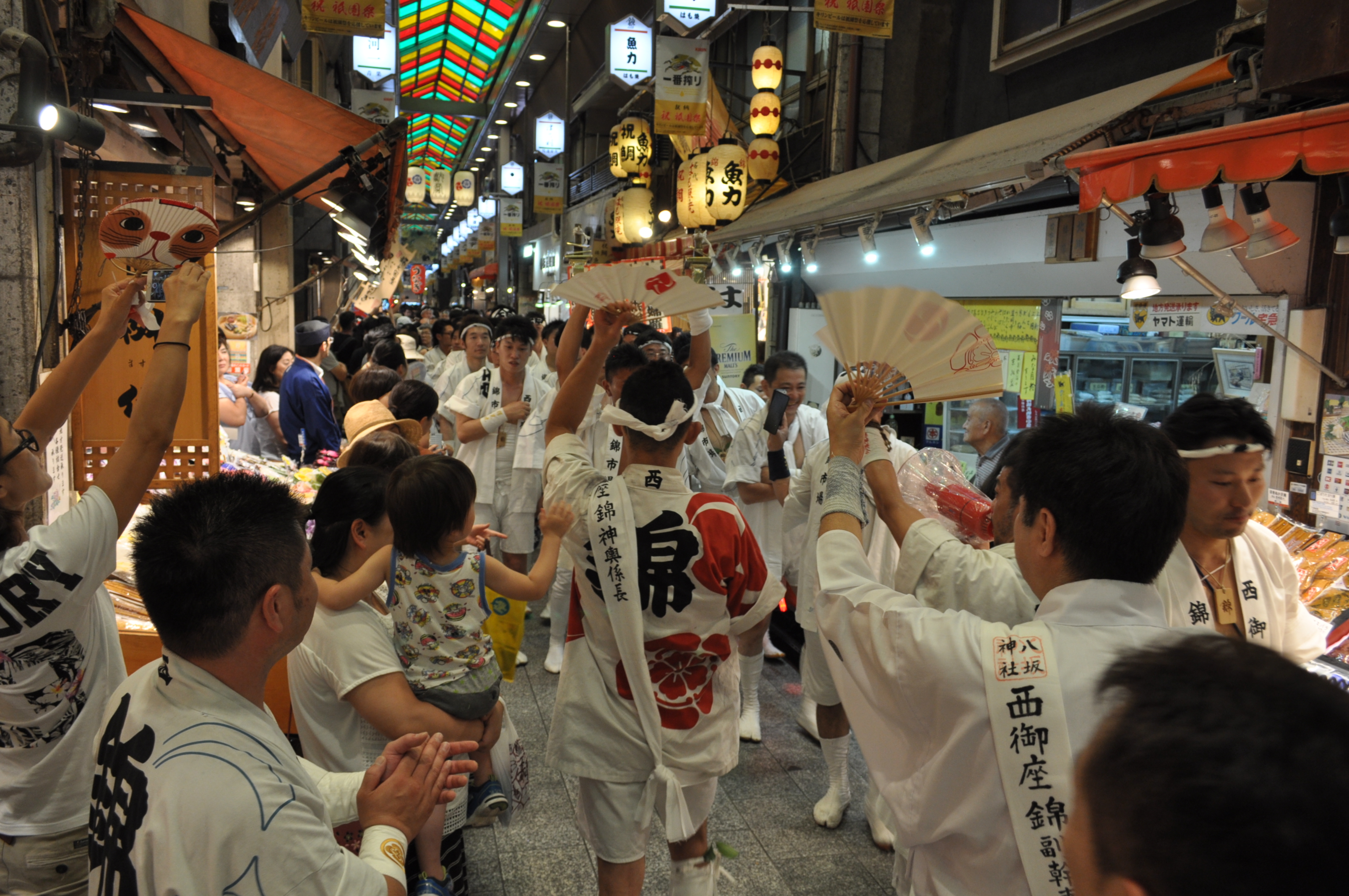
For more than a thousand years — from 794 until the Meiji Restoration of 1868 — Kyoto was the capital of Japan and the seat of its emperors. It survived the Second World War almost unscathed (the city was famously removed from the atomic-bomb target list on the insistence of the American Secretary of War, who had honeymooned there), and what you see today is the closest thing Japan has to a living museum of its own civilisation. There are over 1,600 Buddhist temples and around 400 Shintō shrines inside the city limits, along with seventeen UNESCO World Heritage Sites, an intact geisha quarter, and a thriving tradition of traditional crafts — lacquerware, kimono weaving, ceramics, sword-making, tea.
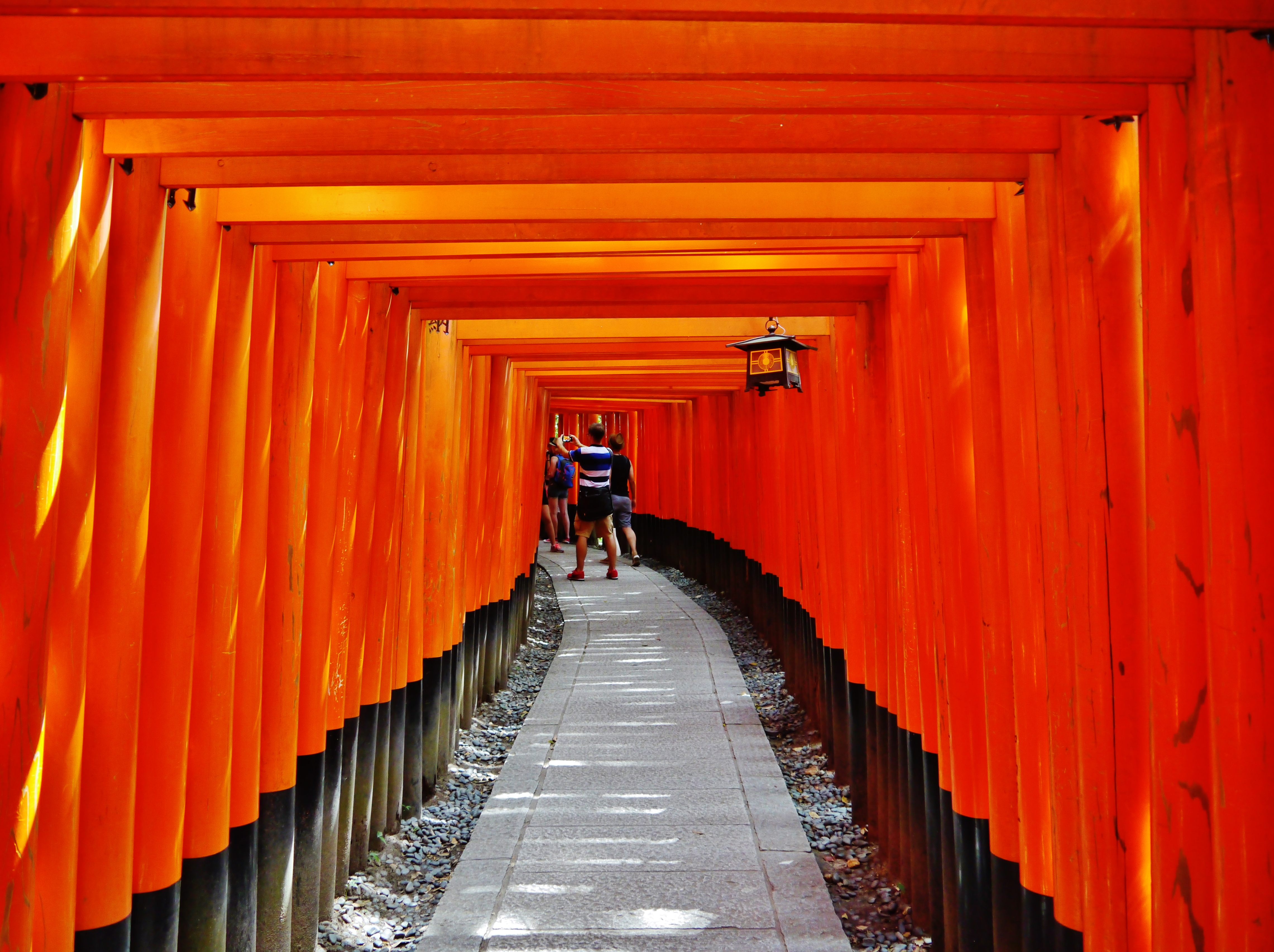
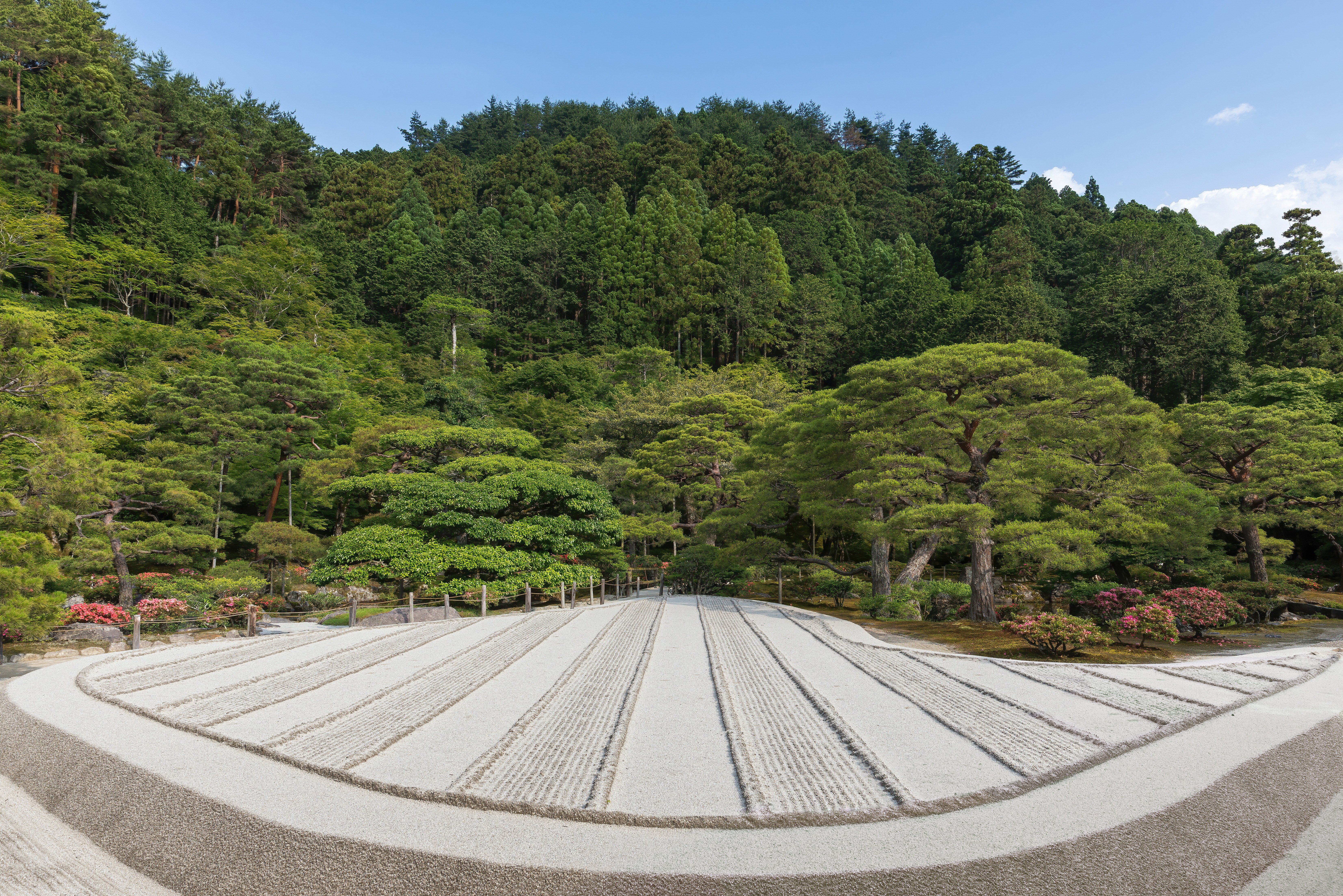
First-time visitors spend their days walking between temples. Kinkaku-ji, the Golden Pavilion, is the cliché postcard but deserves every bit of its fame; Ginkaku-ji (the "Silver" Pavilion, which isn't actually silver) sits at the north end of the Philosopher's Path, which follows a cherry-tree-lined canal for two kilometres to the southern temples; Ryōan-ji holds the most famous dry-garden karesansui in Japan; Kiyomizu-dera, on the east side, is built on a wooden platform projecting out over the hillside and offers the best view of the city; and the long tunnels of vermilion torii gates at Fushimi Inari-taisha, south of the station, may be the most photographed single location in Japan. This is only the beginning.
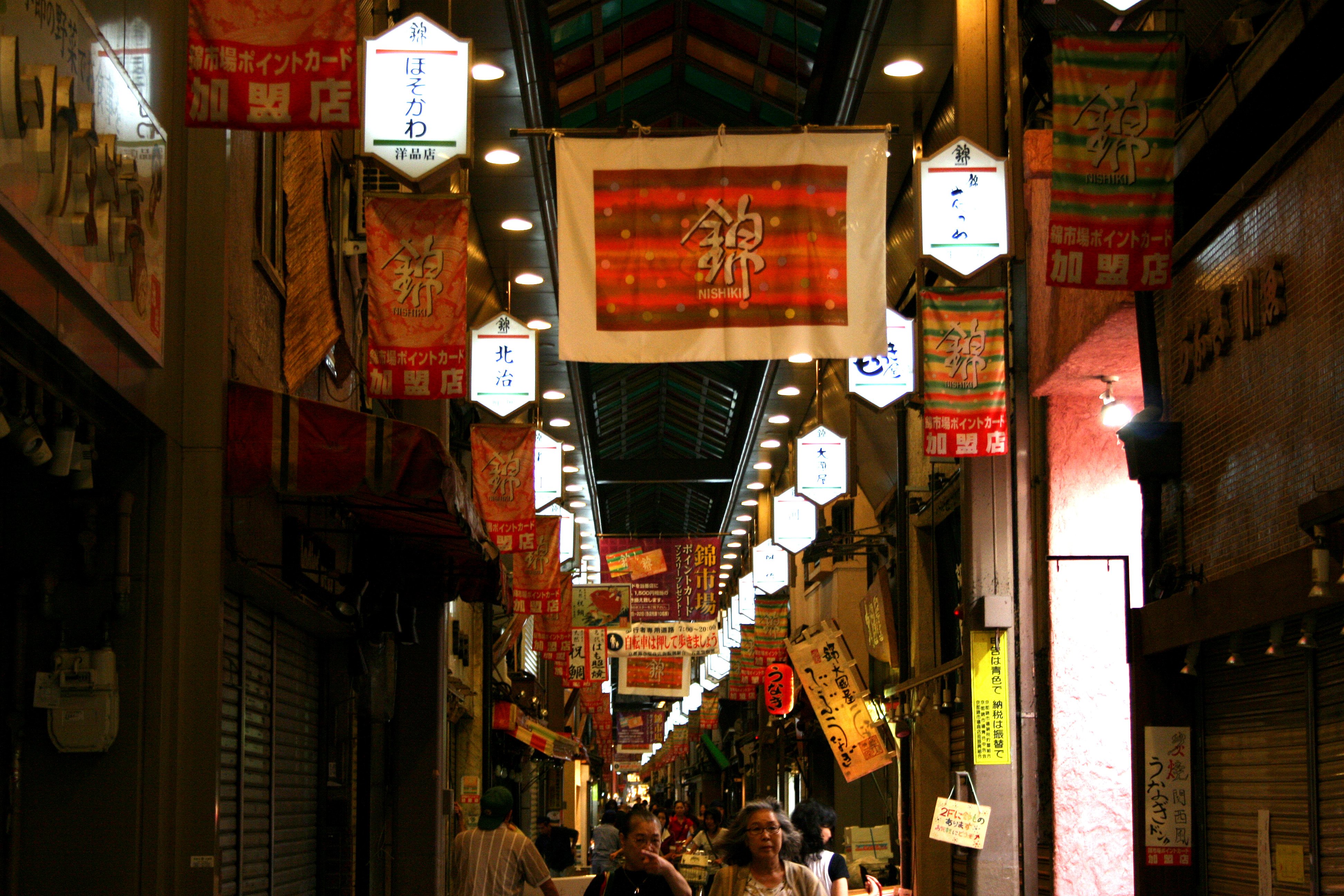
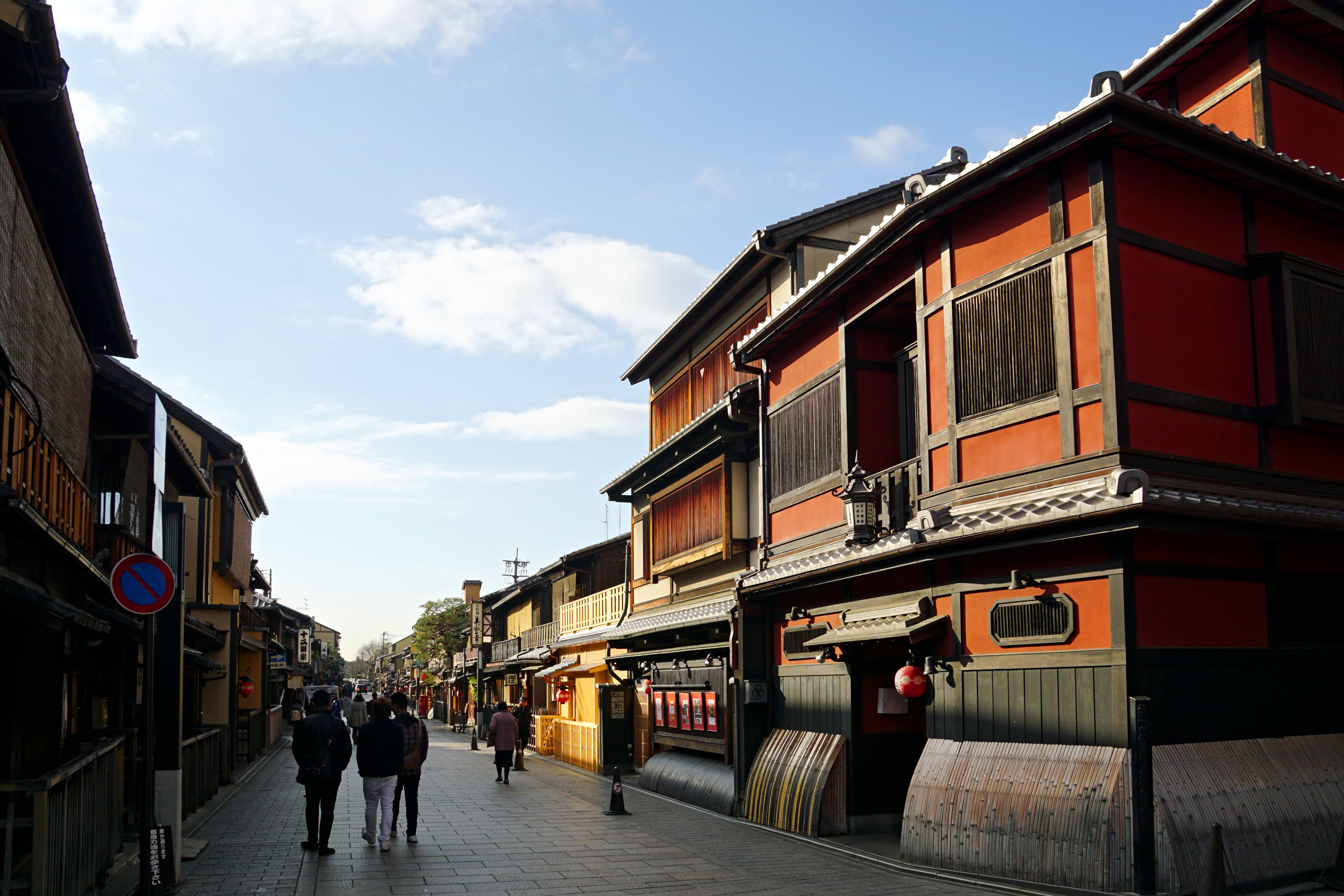
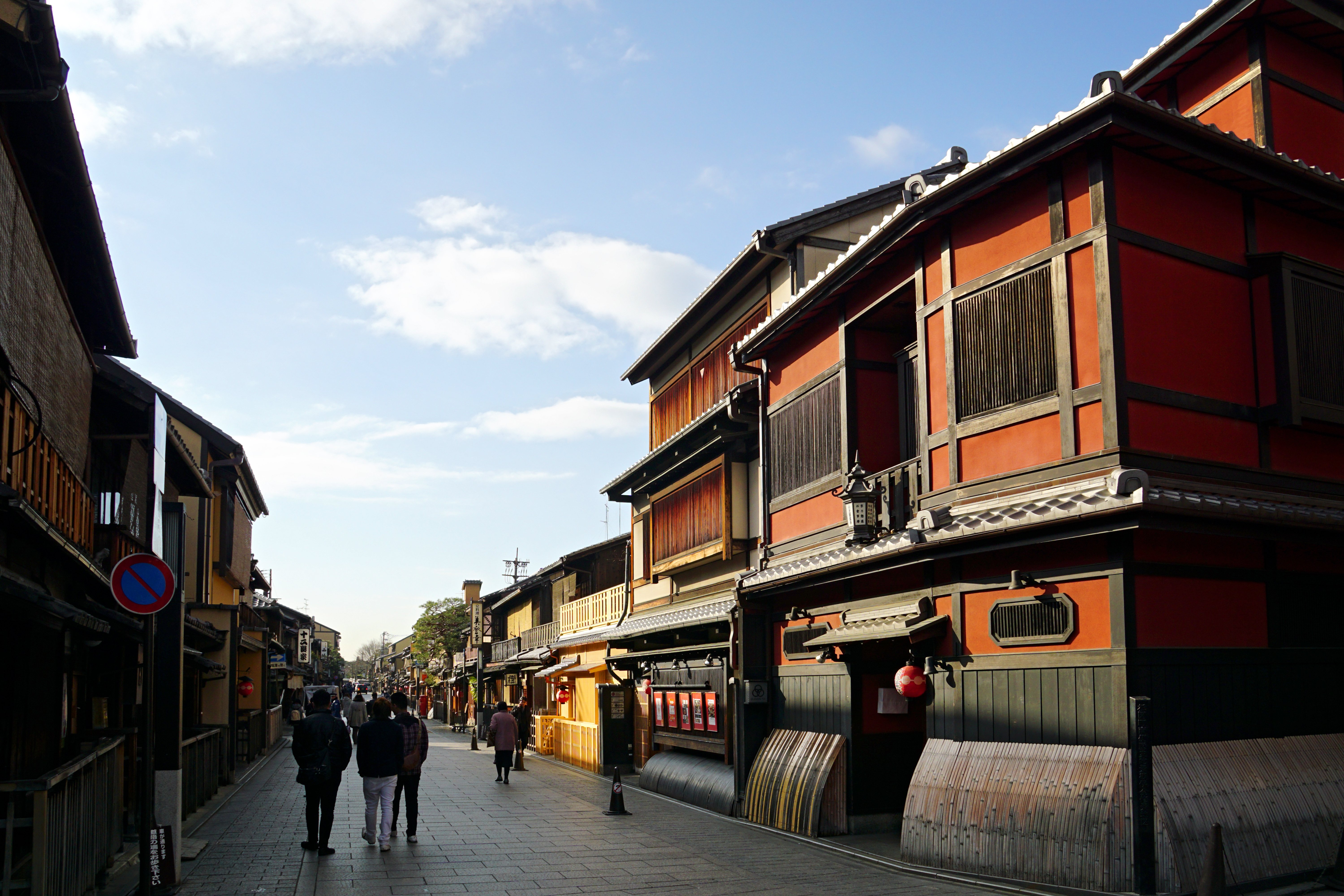
The city itself was laid out on a grid copied from Tang-dynasty Chang'an (modern Xi'an), and the grid still makes it easy to orient yourself. The Higashiyama district on the east side has the densest concentration of old neighbourhoods — lantern-lit stone lanes, wooden machiya townhouses, and small temples tucked between them. Across the Kamo River, Gion is the historic geisha quarter and a place where, if you are patient and lucky, you can still see a real geiko or maiko hurrying between appointments at dusk. The food is as serious as the architecture: this is the home of kaiseki cuisine, the most refined multi-course tradition in Japanese cooking, and the alleys north of Shijō and along Pontochō hide some of the best places to eat in the country.
Come in late March or early April for cherry blossom, or in mid-November for autumn leaves, but be prepared for crowds of unimaginable density at those times. Come in winter or in the summer heat for a quieter, stranger, more private Kyoto.