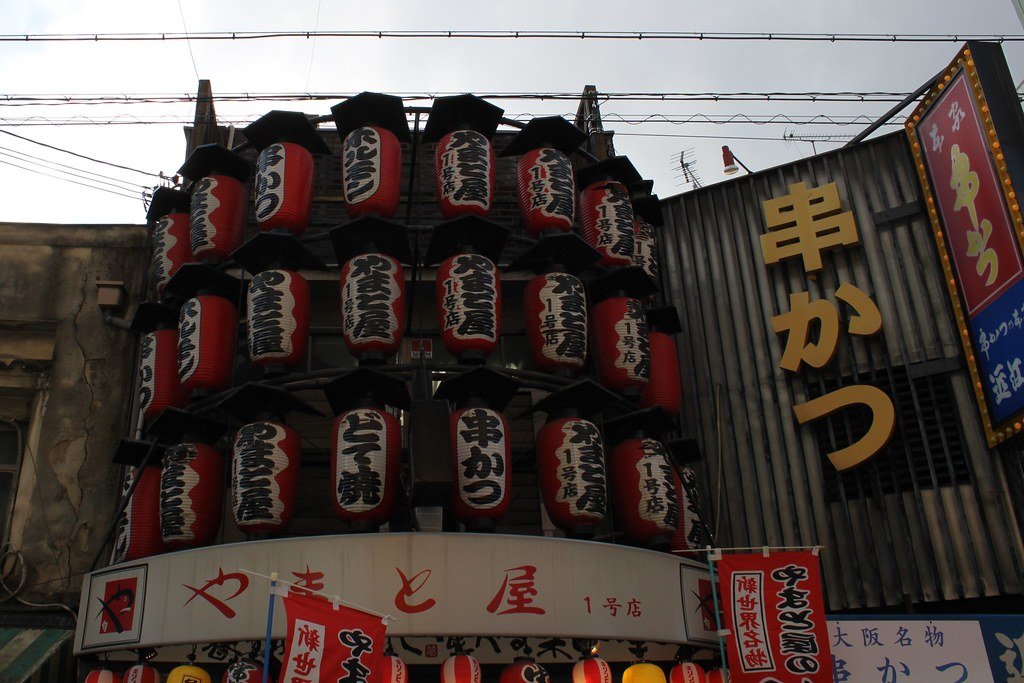
Osaka is Japan's third-largest city and its most extroverted. Where Tokyo is polished and Kyoto is refined, Osaka is loud, friendly, and proud of its food. The local phrase is "kuidaore" — eat until you drop — and the city takes it seriously. Takoyaki stalls, okonomiyaki restaurants, and kushikatsu bars are everywhere.
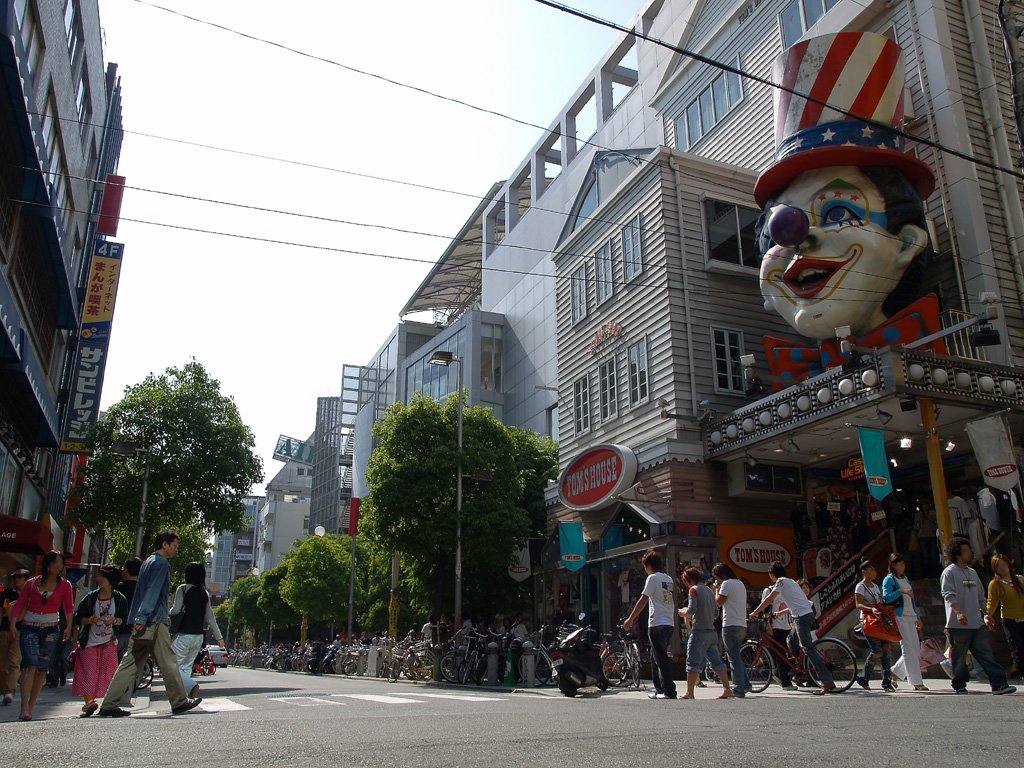
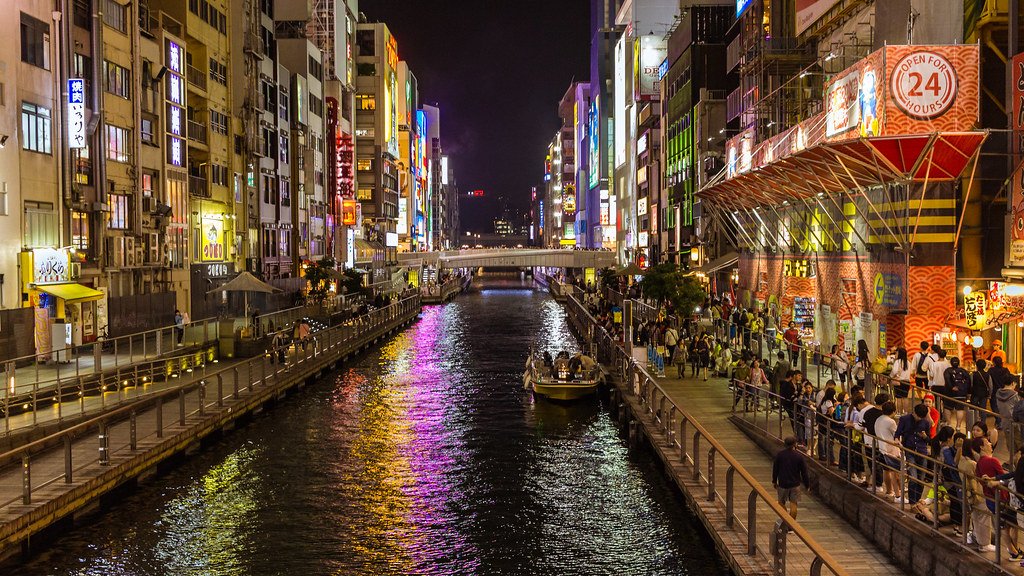
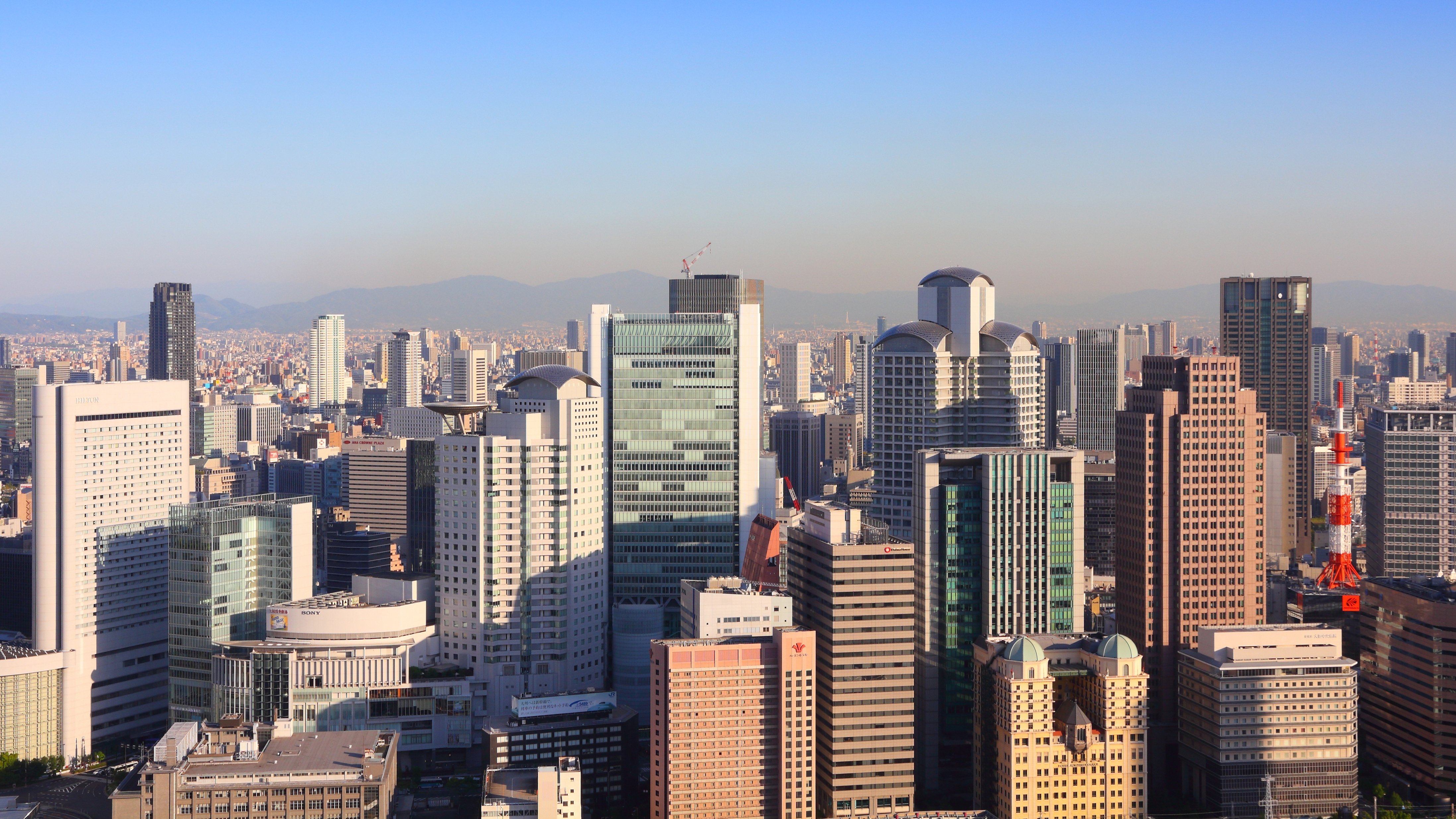
The city is built around two hubs. Umeda in the north is the main business and shopping district, anchored by Osaka Station and the spectacular Umeda Sky Building. Namba in the south is the entertainment centre, and Dotonbori — lined with giant illuminated signs including the famous Glico Running Man and packed with restaurants and bars — is the visual heart of the city. Between the two, the covered Shinsaibashi shopping arcade runs for over 600 metres, with the streetwear district of Amerika-mura branching off to the west.
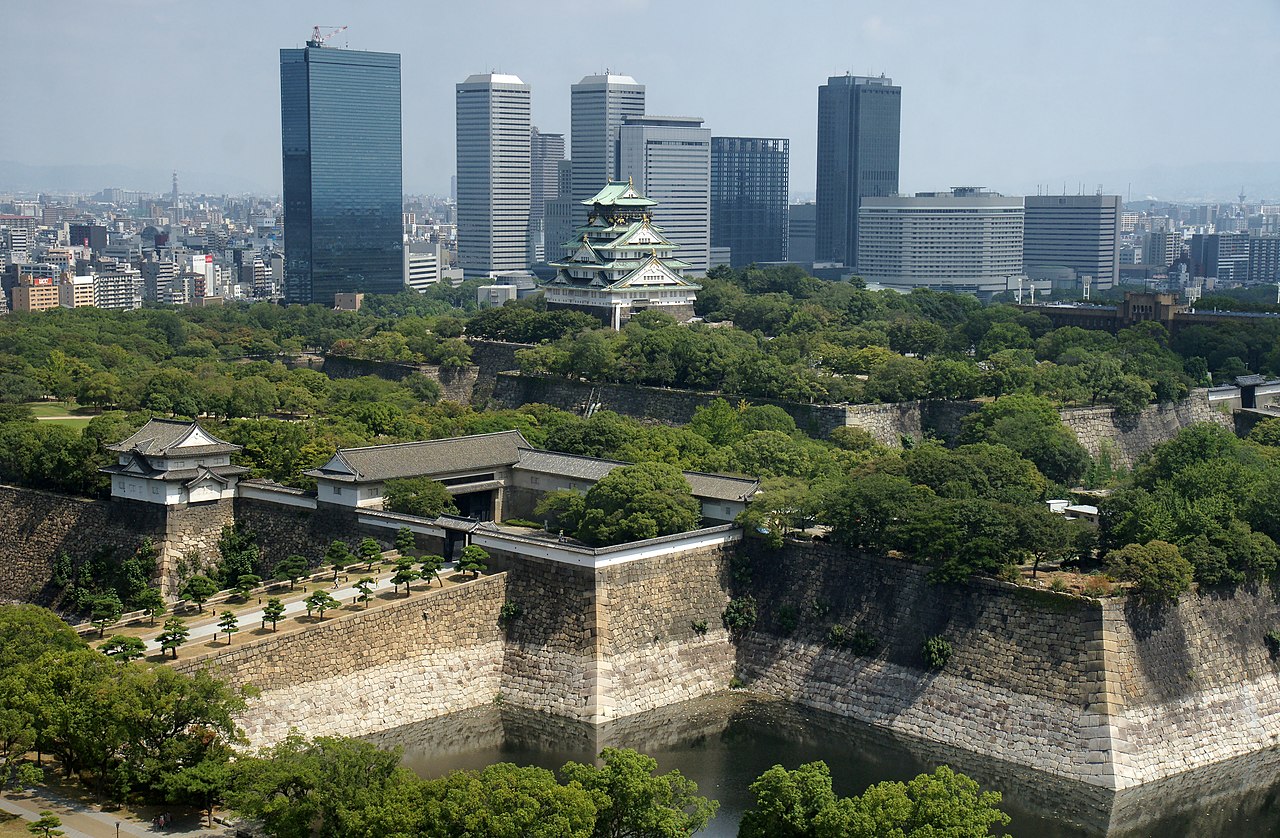
Osaka Castle in the east of the city is the most recognisable landmark, surrounded by a large park that fills with cherry blossom viewers in April. South of the centre, Shinsekai retains the city's pre-war character — narrow lanes, neon, and Tsutenkaku Tower — while the Shitennoji Temple, Japan's oldest, anchors the Tennoji district. Universal Studios Japan draws visitors with children in the north.
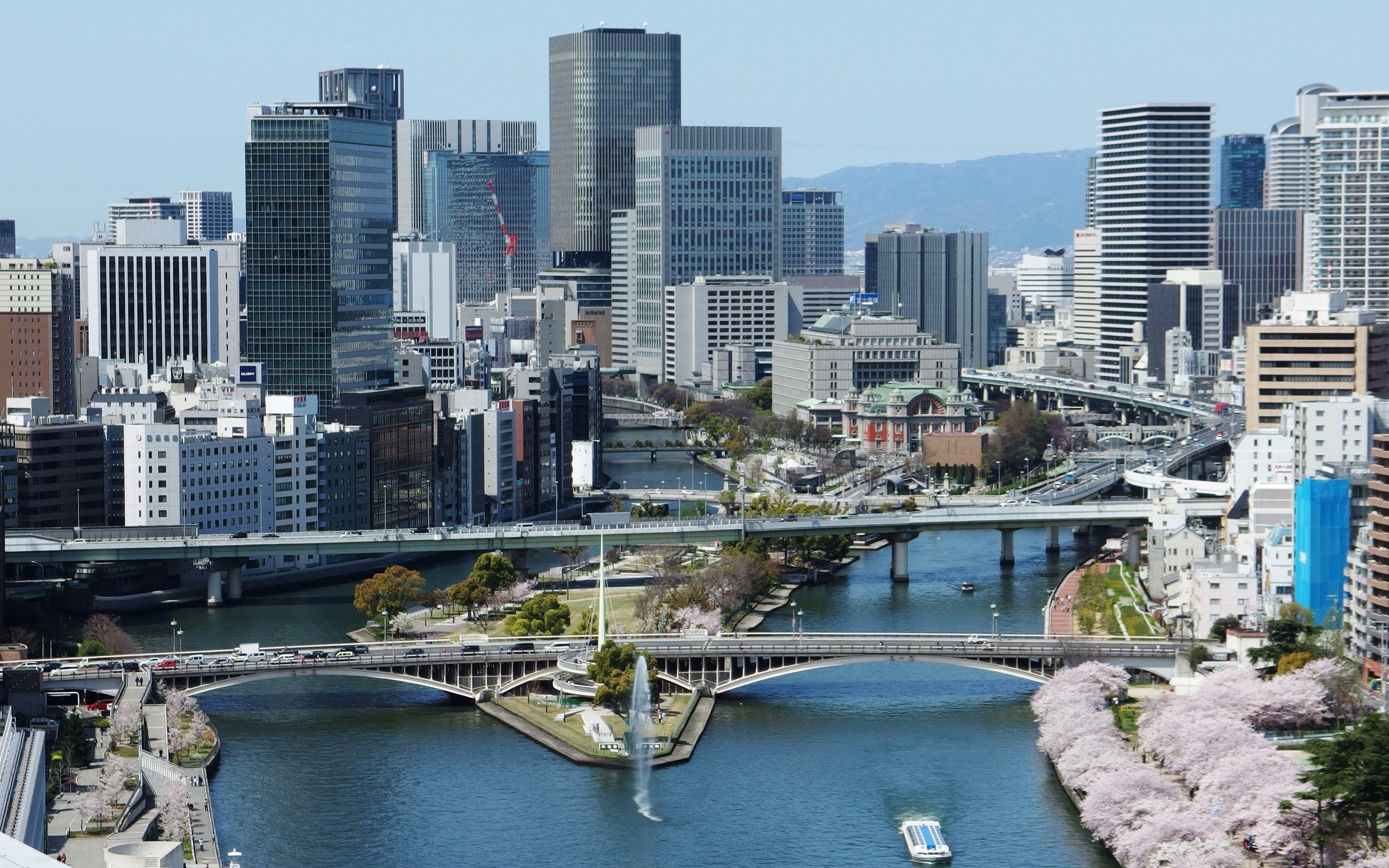
The culture island of Nakanoshima holds the National Museum of Art, the Museum of Oriental Ceramics, and two of Japan's finest civic buildings: the Central Public Hall and the Nakanoshima Library. Kuromon Ichiba market in Namba is the best place to eat your way through the city's seafood.
Osaka is the hub for exploring the Kansai region. Kyoto is 15 minutes by shinkansen; Nara is 45 minutes by train; Himeji Castle is 90 minutes west. Minoh to the north offers waterfall hikes and autumn foliage within an hour of the centre. The city's efficient subway and private rail network makes it easy to combine with day trips.