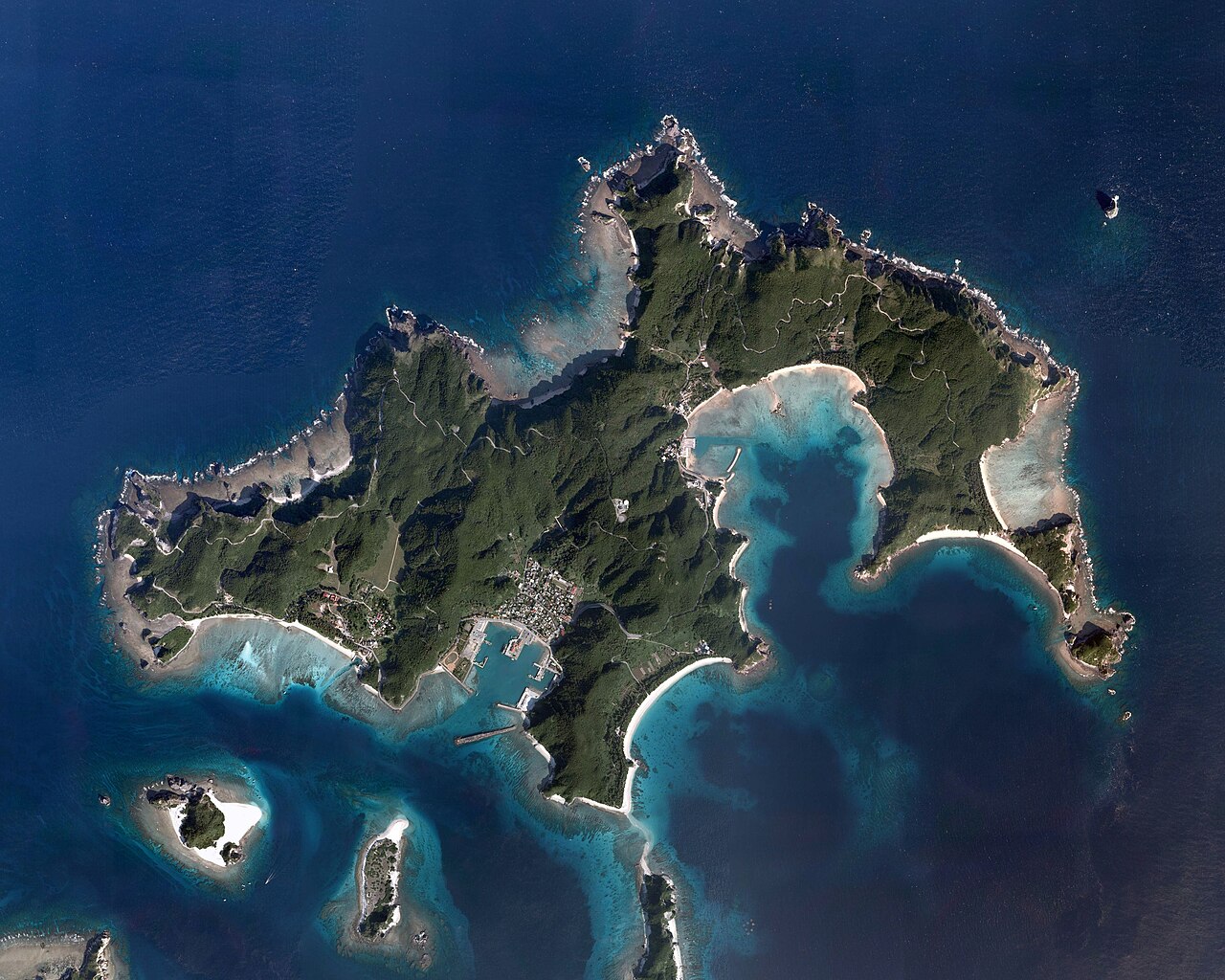
Zamami Island
©
Zamami Island

Zamami Island

Kerama island near Okinawa, with clear coral water, winter whales, and turtle beaches

Zamami is a small island in the Kerama group, about 40 kilometres west of Naha in Okinawa. It is the kind of place where the water is so clear you can see the coral from the ferry before you even dock.

Humpback whales migrate to the waters around the Kerama Islands each winter for breeding, and whale watching from Zamami is one of the highlights of the Okinawan winter season — boats depart from the port between January and March. The rest of the year, the draw is the beaches: Furuzamami Beach on the south side is routinely rated among the best in Japan, with white sand and excellent snorkelling right from shore. Ama Beach on the quieter western side is where sea turtles reliably come close to shore.

The island is quiet and small enough to explore on foot or by bicycle. Diving and snorkelling in the Keramashoto National Park waters offers some of the finest reef access in Japan. The Kaminohama Observatory gives panoramic views over the island's southern coastline and the uninhabited islands beyond. There are a handful of guesthouses and dive shops, a few restaurants, and not much in the way of nightlife — which is the whole point. Ferries run from Naha's Tomari Port; the high-speed boat takes about 50 minutes.

Guide

Eating Out

Zamami Village has a small number of restaurants, most of them near the port or in the main settlement. Options are limited — this is a tiny island — but the food is honest and often excellent.

Several family-run guesthouses (minshuku) serve meals, and staying somewhere that includes dinner is the most reliable way to eat well. Okinawan cuisine is the staple: goya champuru (bitter melon stir-fry), rafute (braised pork belly), somin tamun (cold noodles), and whatever fish was caught that day. Grilled island fish with local awamori rice wine is as simple and as good as it gets.

There are one or two small restaurants near the port serving noodle dishes, curry, and set lunches. A small convenience store sells basics. On busy summer weekends, popular places fill up quickly — eating early or late is advisable. In the off-season, some restaurants close or operate reduced hours; confirm with your accommodation before heading out.

Guide

Getting There

Zamami Island is reached by ferry from Naha's Tomari Port on the western side of Okinawa main island. Two services run: the high-speed boat (Queen Zamami or similar) takes about 50 minutes and runs several times daily; the slower car ferry takes around 90 minutes but costs less. Check the Zamami Village ferry schedule for current times — services can be reduced or cancelled in bad weather, and sailings fill up during holiday periods and summer weekends.

There is no airport on Zamami. Once on the island, the main settlements and beaches are accessible on foot or by rental bicycle. A small bus service connects the port to Ama Beach and Furuzamami Beach.

Guide

Things to Do

Zamami's draws are almost entirely natural. Furuzamami Beach on the south side is one of Japan's finest white-sand beaches with excellent snorkelling directly from shore. Ama Beach on the western side is quieter and famous for sea turtle sightings. From January to March, whale watching is the main event — humpback whales breed in the Kerama Straits and boats go out daily from the port. The Kaminohama Observatory gives panoramic views over the southern coastline and the uninhabited islands of Gahi and Agenashiku. Diving and snorkelling in the Kerama National Park waters around the island offer some of the best coral reef access in Japan. Aka Island, a short boat ride away, has its own excellent beaches, good diving, and the endemic Kerama deer.

Guide

When to Go

Zamami Island has two quite different seasons, each with a clear draw. From January to March, humpback whales migrate to the Kerama Straits to breed, and whale watching is the main reason to come in winter. The sea is cooler and the weather can be unpredictable with occasional rough ferry crossings, but humpbacks in these numbers are rare in Asia. January and February are the peak months for whale sightings.

From May to October, the island is at its best as a beach and diving destination. Water temperatures are warm enough for comfortable snorkelling from May onwards. The peak Japanese holiday season (Golden Week in late April to early May, Obon in mid-August, and summer school holidays) fills the island and ferries to capacity — book accommodation weeks ahead. Late May and June, before the summer rush, are particularly good: warm, not yet crowded, with excellent underwater visibility.

July and August are hot and humid, with temperatures around 30–32°C. Typhoon season runs from August through October, and bad weather can disrupt ferry services at short notice. Autumn, after the typhoon risk fades in October, is a quieter but pleasant time: the beaches are less crowded, the water is still warm, and whale sightings can begin again as early as November.