Aksu-Zhabagly
©
Aksu-Zhabagly

Aksu-Zhabagly

Nature reserve in southern Kazakhstan, protecting Western Tien Shan wildlife and wild tulips since 1926.

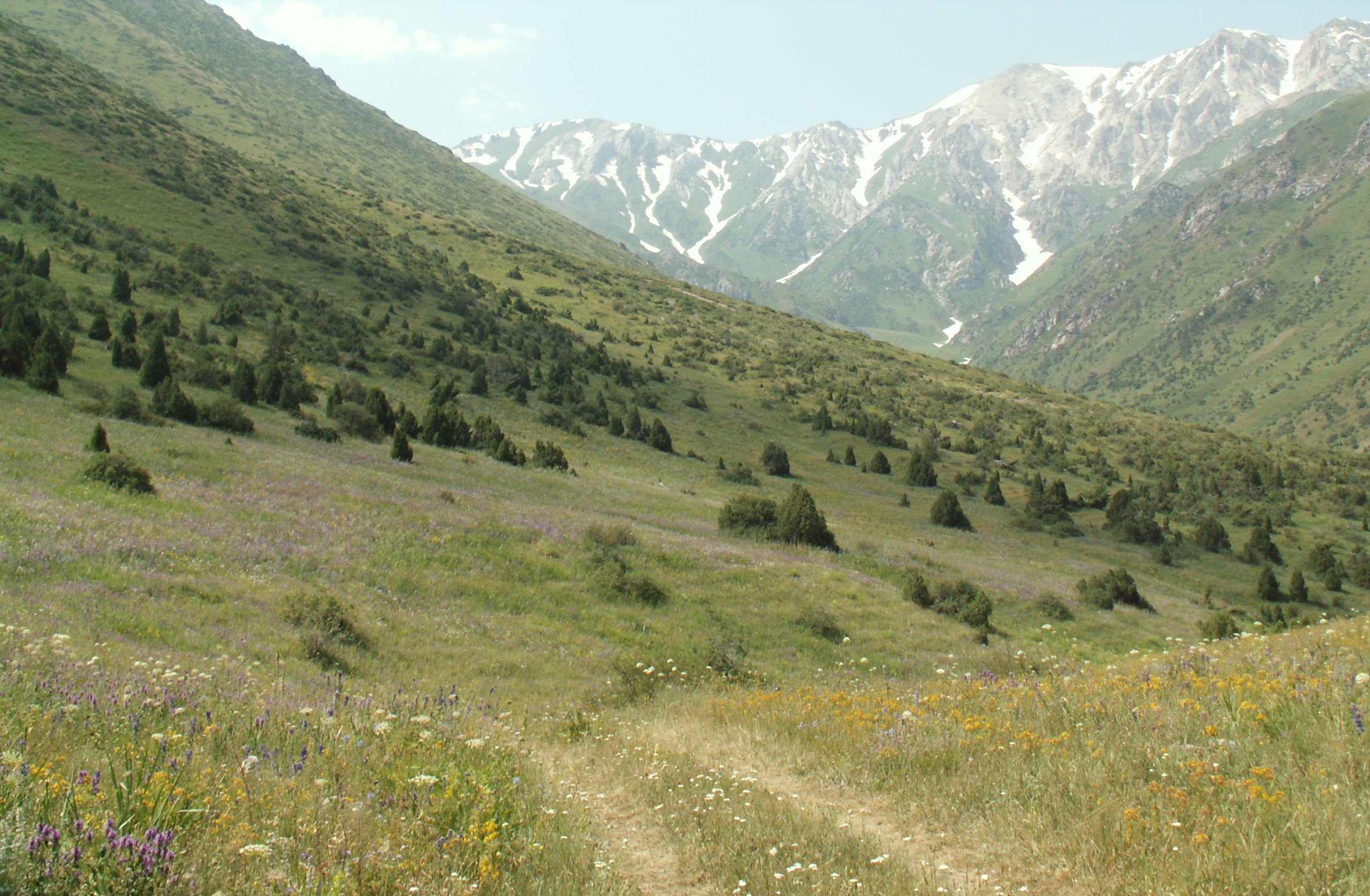
Aksu-Zhabagly is the oldest nature reserve in Central Asia, established in 1926 at the foot of the Western Tien Shan mountains in southern Kazakhstan. The reserve ranges from 1,100 to 4,236 metres and shelters snow leopards, Tien Shan white-clawed bears, and over 1,200 plant species — including the wild Greig tulips that are the ancestors of the cultivated tulips in your garden.

The gateway is Zhabagly village, where a community-based ecotourism programme offers homestay accommodation, guided treks, horseback trips, dombra concerts, and kumiss (fermented mare's milk) tastings. It is a genuine, low-key place — no resort infrastructure, just local families opening their homes.

The best treks from Zhabagly include Red Hill (a day trip to see the wild tulip fields in late April and a stalactite cave with an underground lake), the Kshi-Kaindy waterfalls and petroglyphs (one to three days), and the Aksu Gorge — over 500 metres deep, with mulberry trees and wild grapes at the bottom and snow-covered peaks visible from the rim.

The Chokpak bird ringing station, on the migration flyway, is worth a detour during the spring or autumn migrations. The Mausoleum of Kozha Ahmet Yassaui in Turkestan and the 13th-century ruins of Otrar are also within reach as day trips.

Guide

Getting There

An overnight train from Almaty arrives at Tulkubas station, about 20 minutes from Zhabagly village by local taxi. The journey takes roughly twelve hours. Local taxis can be arranged in advance through the community ecotourism coordinators.

Alternatively, shared taxis run from Shymkent (about two hours) — Shymkent has an airport with flights from Almaty and Astana.

Guide

Things to Do

Aksu-Zhabagly is a hiking and wildlife reserve, not a town with attractions. Most visits are a string of guided treks from Zhabagly village, ranging from a half-day walk to multi-day camping expeditions on horseback. The reserve protects everything inside its boundaries — every trek requires a permit and a registered guide, both arranged through the village ecotourism programme.

The biggest draws are the wild Greig tulip fields in late April, the Aksu Gorge, and the chance of spotting Tien Shan brown bears or, if you are very lucky, a snow leopard.

Guide

When to Go

Late April to mid-May is the headline season — the wild tulip fields bloom on Red Hill and the lower slopes, the weather is mild, and the high passes are still closed by snow (so itineraries focus on lower hikes).

June to August is the main trekking season, when the high gorges and Mount Sairam are accessible. Daytime temperatures in the valleys reach 30°C but drop sharply at altitude — bring layers.

September is excellent for the autumn colours in the walnut and apple forests and the second bird migration through Chokpak Pass.

Winter (November to March) shuts down most of the programme — the village is snowbound and the reserve interior is impassable. A handful of guides will run snowshoe trips on the lower trails if booked ahead.