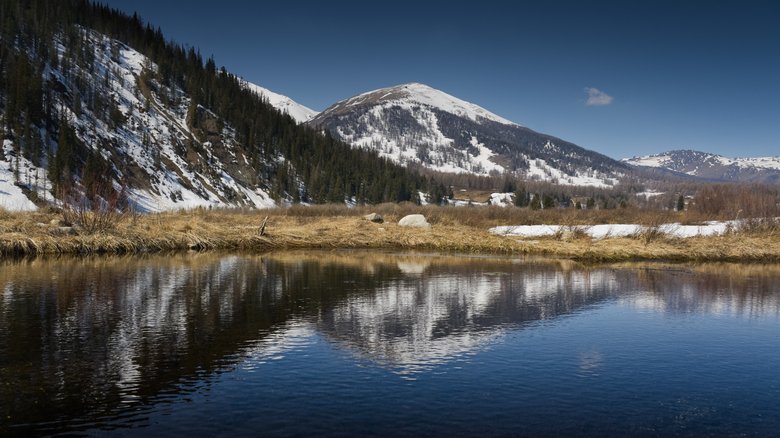
Kazakhstan is the world's largest landlocked country and the ninth largest country overall — a vast expanse of steppe, desert, mountain, and lake that most travelers still haven't discovered. It borders Russia, China, Uzbekistan, Kyrgyzstan, and Turkmenistan, and stretches from the Caspian Sea in the west to the Altai Mountains in the east.
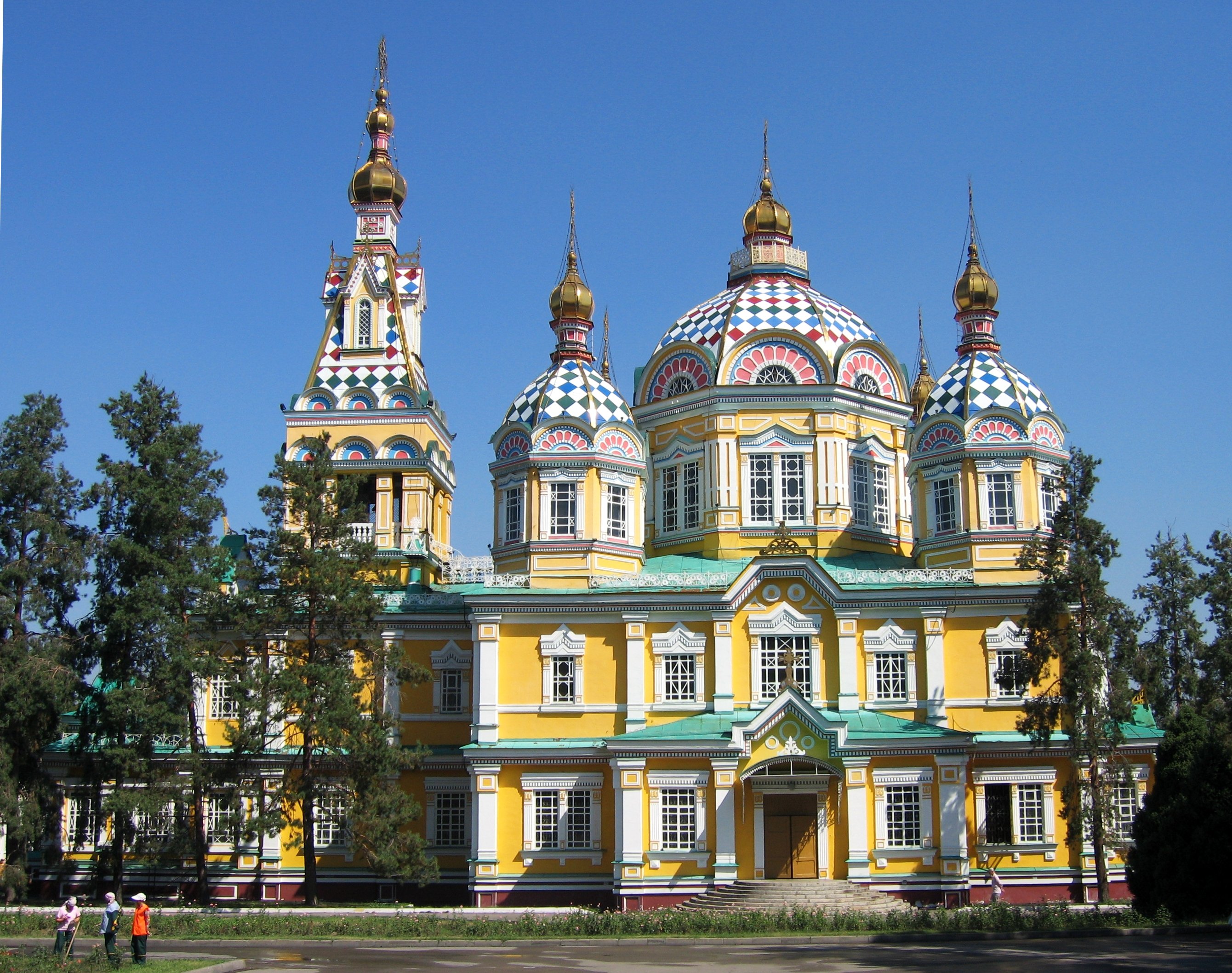
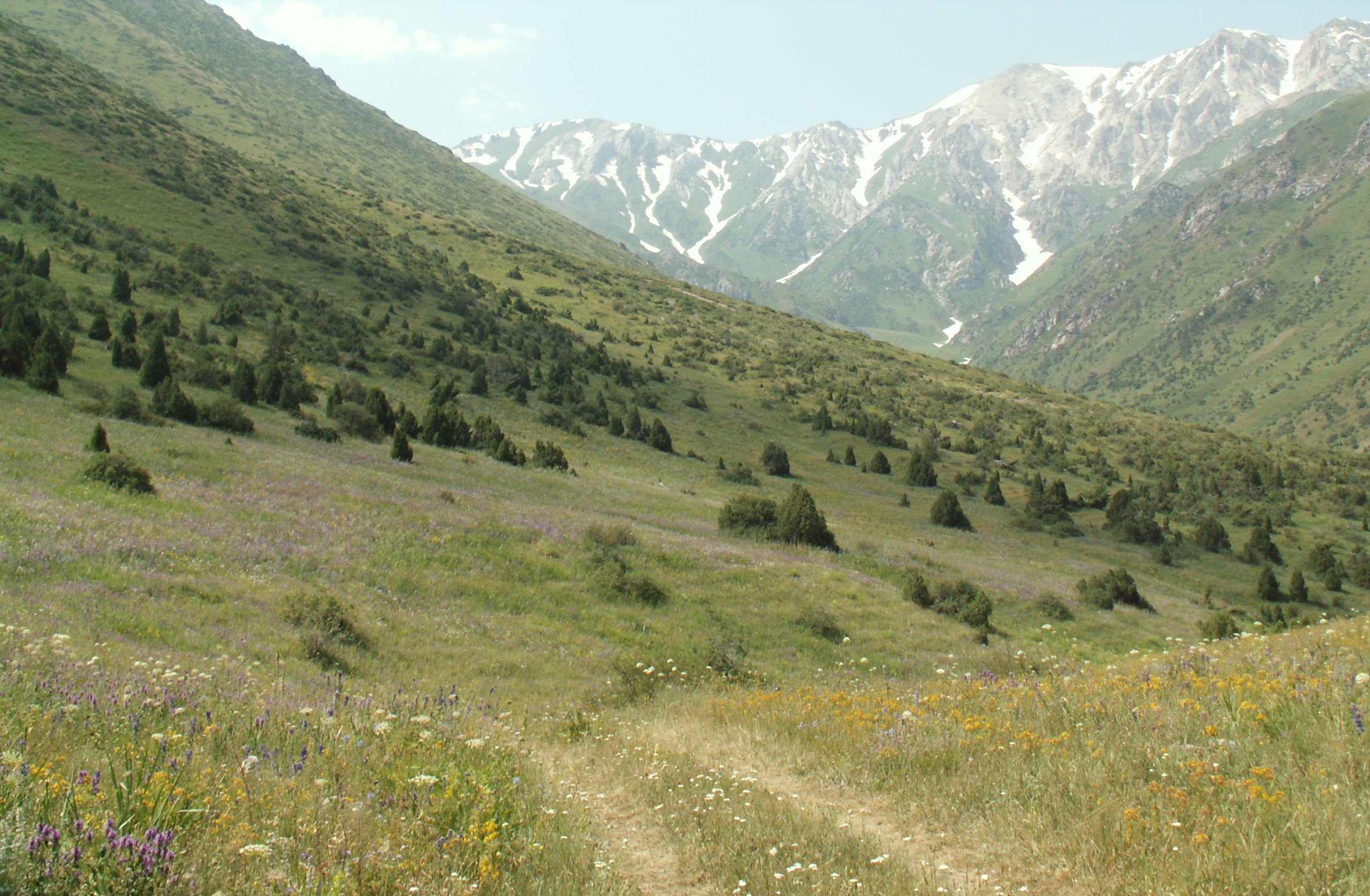
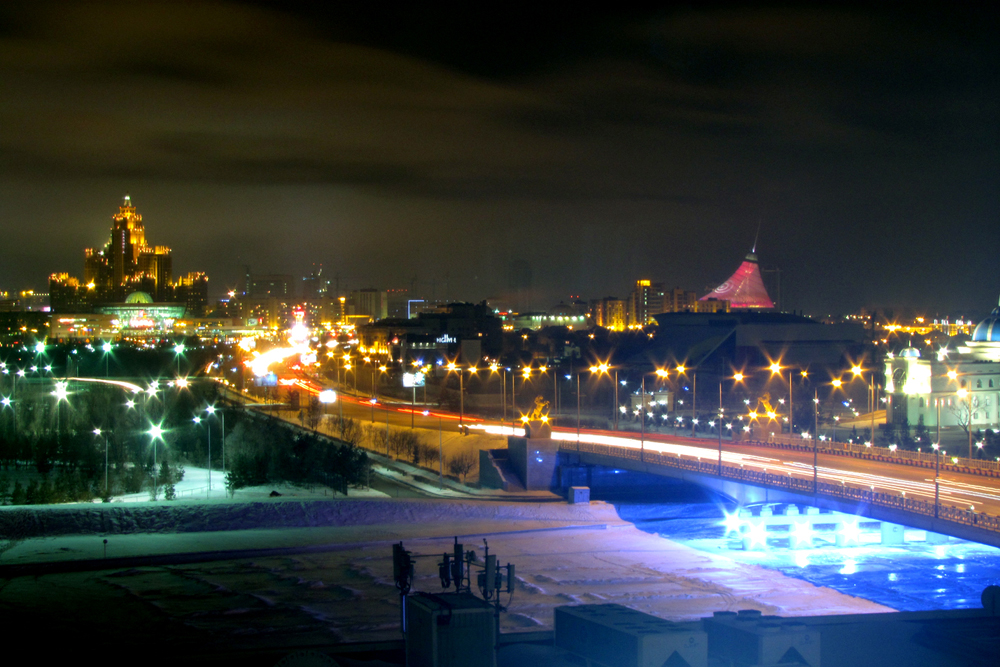
The country is a striking mix of old and new. The gleaming futurist towers of Astana, the capital since 1997, rise from the open steppe of the north. Meanwhile Almaty, the former capital in the south, sits at the foot of the Tien Shan mountains, with ski slopes an hour from the city center and wild canyons a morning's drive away. The two cities feel like different countries.
Nomadic culture runs deep here. For centuries the Kazakhs were herders who moved with their livestock across the steppe, living in yurts and measuring wealth in horses. The Soviet period forced settlement and brought industrialization, but the traditions have survived: eagle hunting, horse games, dombra music, and the vast communal hospitality of the dastarkhan — a feast table where refusing food is simply not done.
Kazakhstan gained independence in 1991 and has since grown rich on oil and gas revenue. Infrastructure has improved dramatically: the railway network is extensive, the roads between major cities are generally good, and domestic flights connect distant cities quickly. Tourism infrastructure is still developing, which means you'll often have iconic places largely to yourself.
The population of around 20 million is a patchwork: ethnic Kazakhs make up about two-thirds, with significant Russian, Uzbek, and Ukrainian communities, along with Germans, Koreans, Uighurs, and others — a legacy of Soviet-era deportations and labor migrations. Russian remains widely spoken in cities; Kazakh is increasingly used as the country asserts its identity.
Destinations
- Almaty — the cultural heart of Kazakhstan, mountainous, cosmopolitan, and lively
- Astana — the capital, a city of extraordinary ambition on the northern steppe
- Shymkent — the southern city, gateway to Silk Road sites and the Aksu-Zhabagly reserve
- Kyzylorda — in the southwest, near the Aral Sea and the Syr Darya river
- Atyrau — oil hub on the Caspian Sea
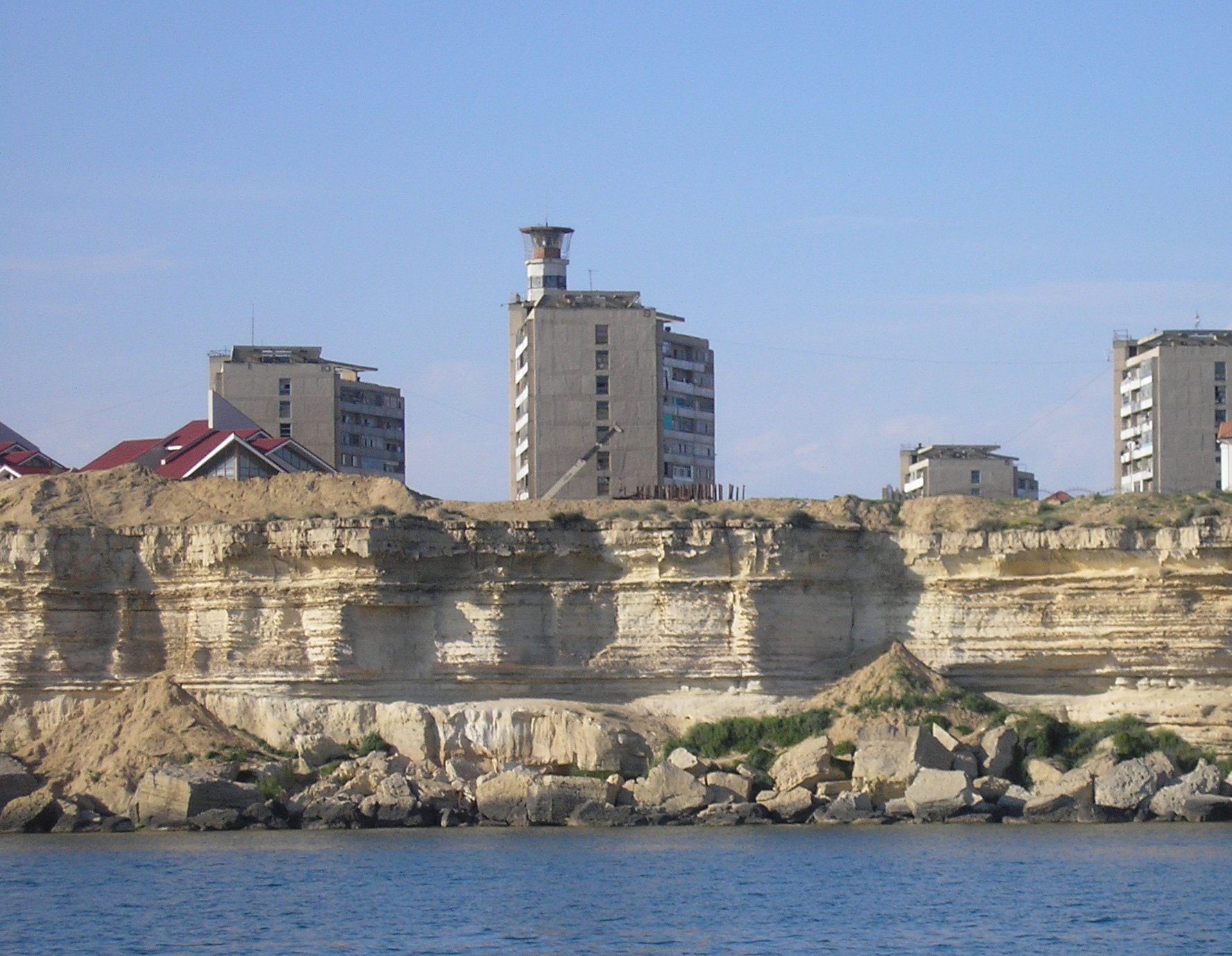
- Aqtau — Caspian port with beaches and a raw frontier feel
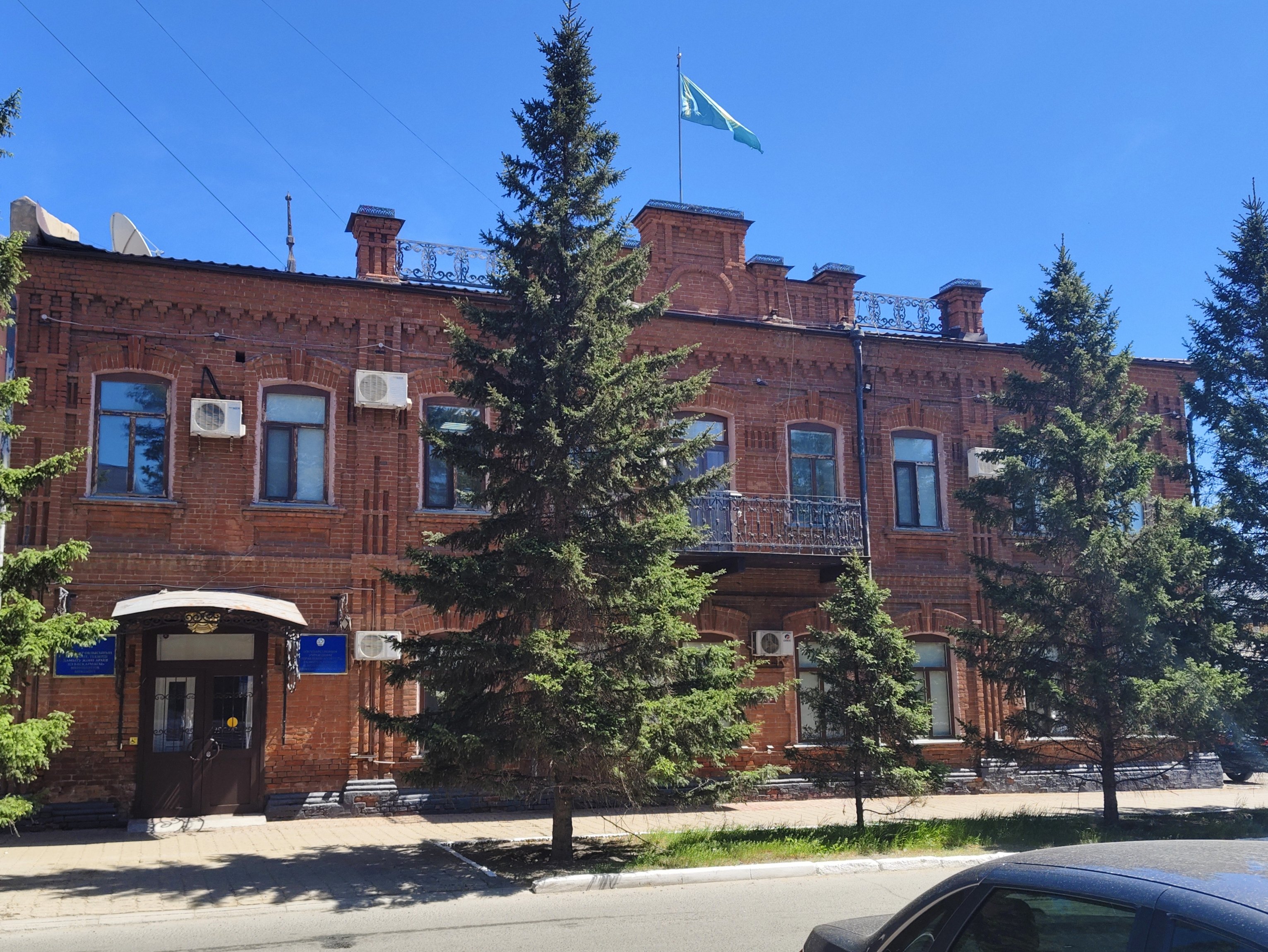
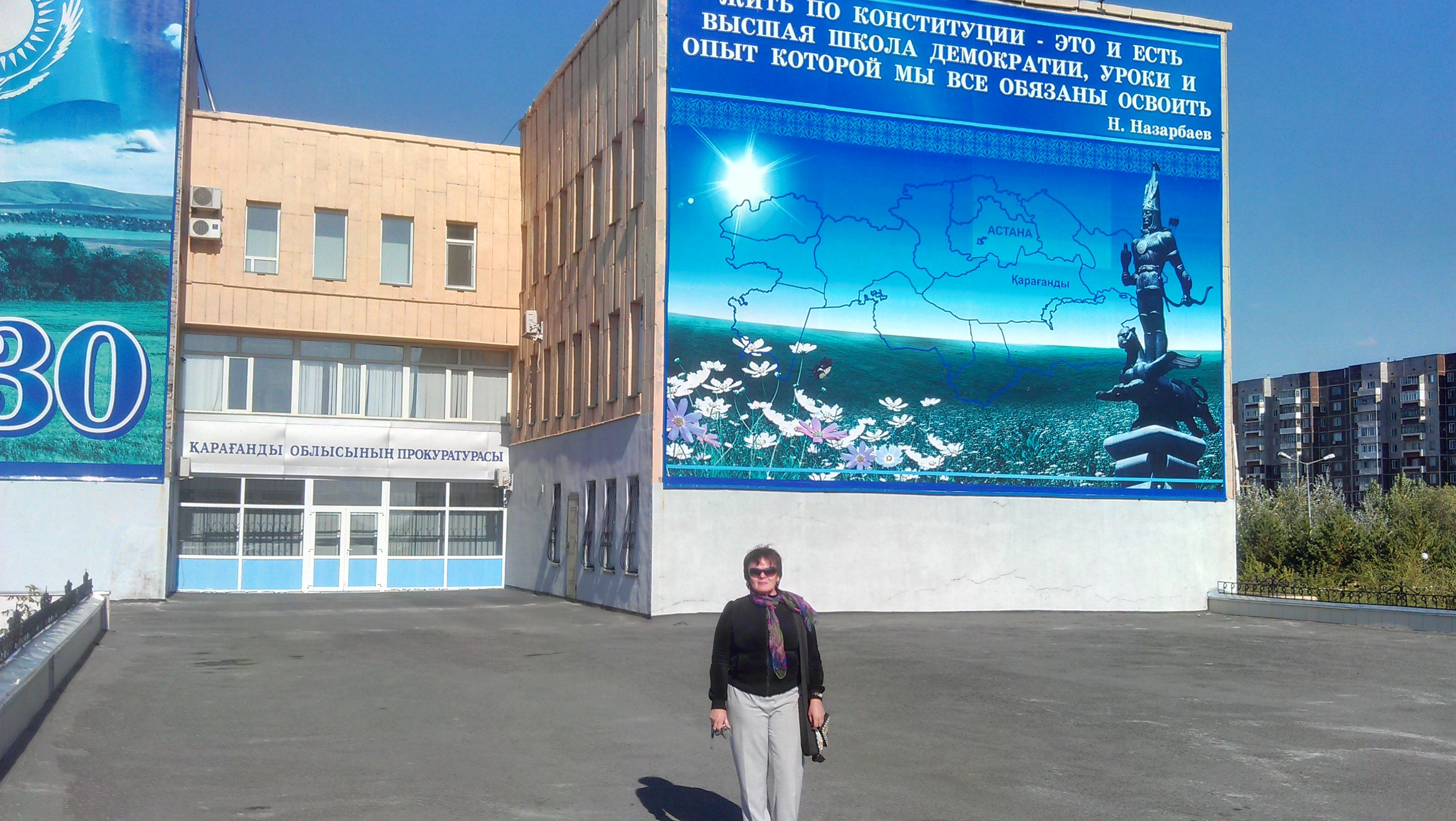
- Karagandy — industrial city with a dark Soviet history and the nearby Karlag gulag site
- Pavlodar — northern city on the Irtysh river
- Ust-Kamenogorsk — gateway to the Altai mountains and eastern Kazakhstan
- Semipalatinsk — site of the Soviet nuclear testing polygon, a sobering piece of Cold War history
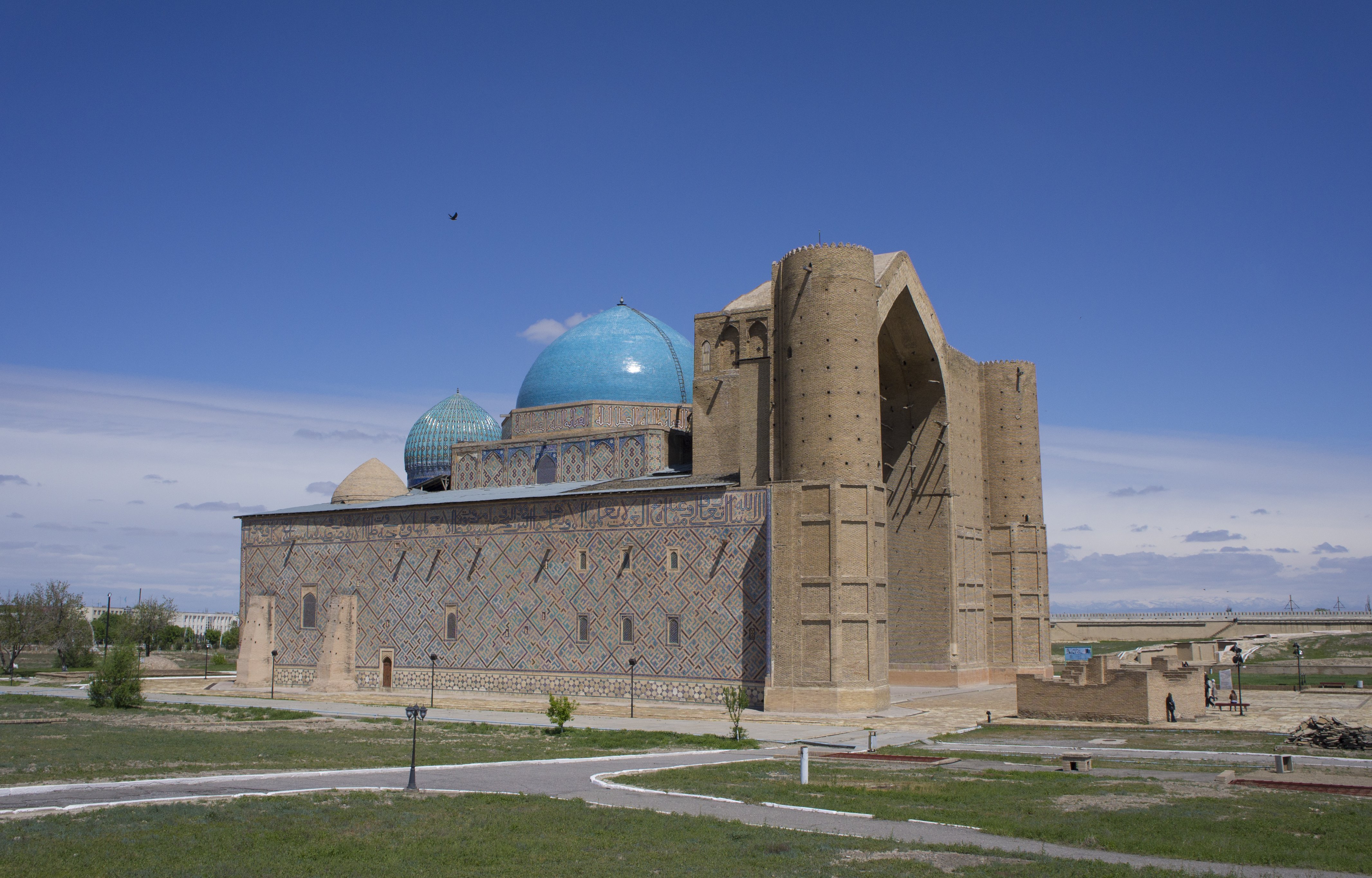
- Turkestan — an ancient Silk Road city with the magnificent Yasawi mausoleum
- Aksu-Zhabagly — the oldest nature reserve in Central Asia
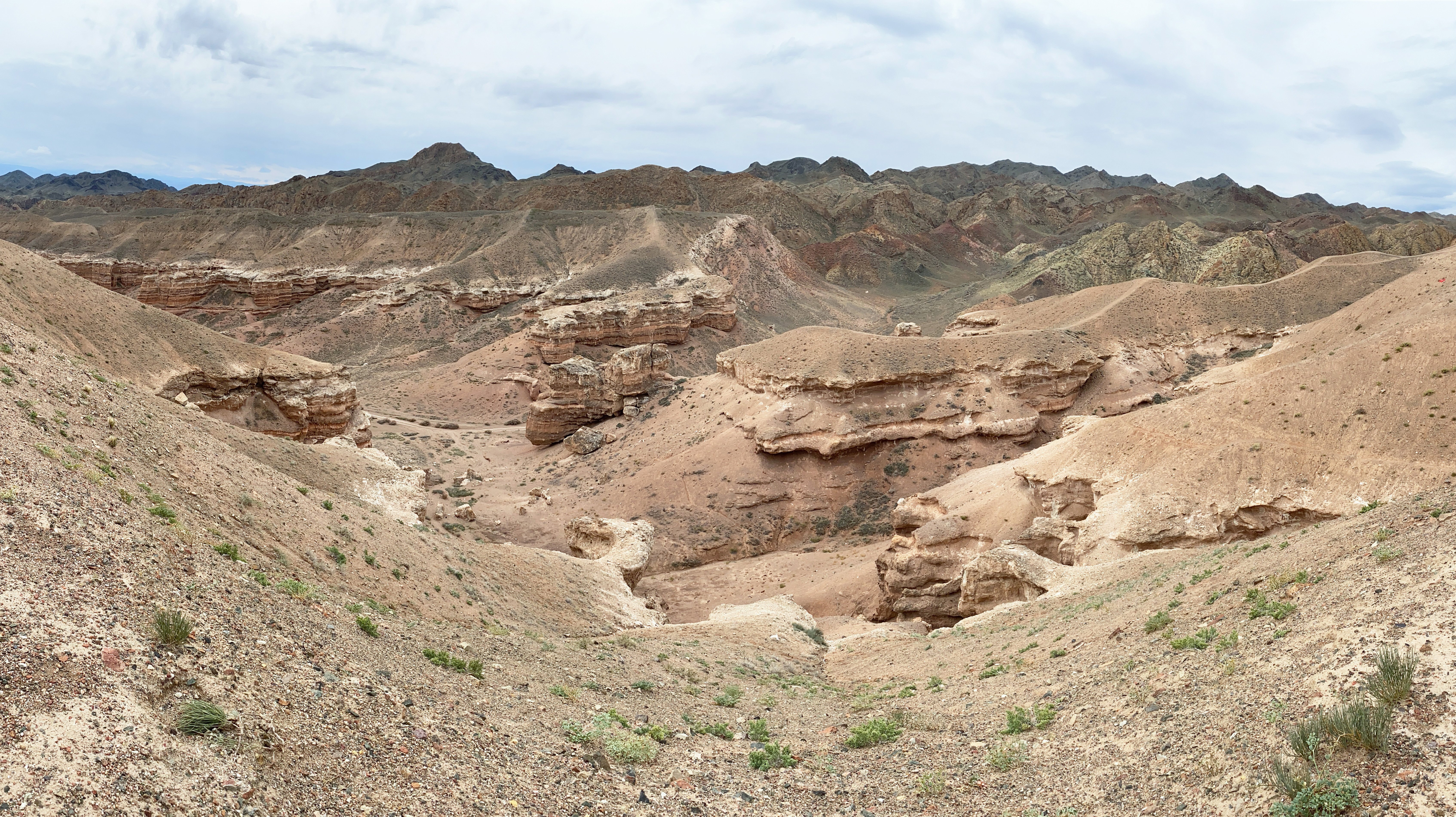
- Sharyn Canyon — dramatic red-rock canyon east of Almaty
- Lake Markakol — remote mountain lake in eastern Kazakhstan
- Khan Tengri — the celestial peak on the Kyrgyz border, for serious mountaineers